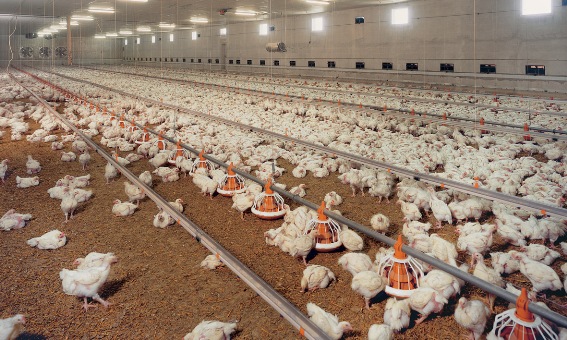


JBS, the global protein giant, breaks into the egg market with the acquisition of a stake in Mantiqueira
JBS, one of the world’s largest food companies, announced on 27 January 2025 its entry into a new protein segment: eggs. The company has acquired a 50% stake in Mantiqueira Brasil, South America’s largest egg producer. This transaction marks a significant milestone in JBS’s diversification strategy and will have major implications for the poultry sector.

JBS, the world’s largest broiler producer
JBS is currently the world’s largest broiler producer, with operations in the United States, Mexico, Europe and Brazil. JBS SA slaughters more than 4.4 billion chickens every year — more than many countries — across its divisions in Brazil, the USA, Mexico and the United Kingdom.
Its experience and leadership in global broiler production is unrivalled; its two closest competitors, Tyson Foods in the USA and BRF in Brazil, produce “only” 1.9 billion and 1.7 billion birds per year respectively.
The company operates across five continents and is also active in the beef, pork, aquaculture (salmon) and alternative protein (plant-based and cultivated) sectors. The acquisition of Mantiqueira further consolidates JBS’s position as a global protein giant.
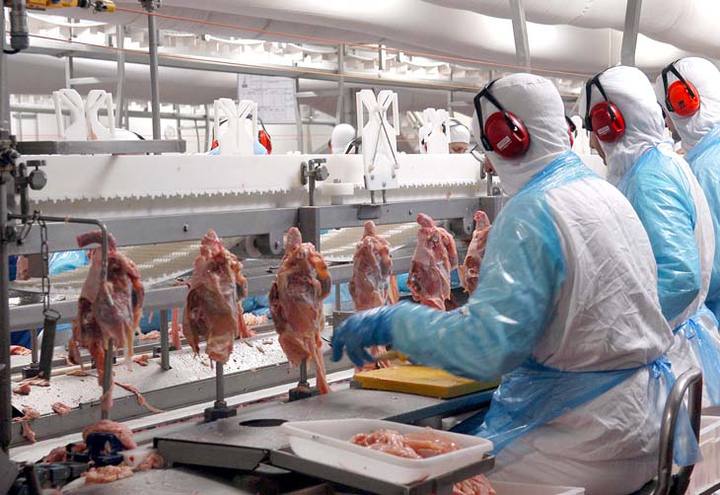
The acquired company is the largest in South America and the tenth largest egg producer in the world
The acquisition of the stake in Mantiqueira Alimentos was valued at approximately A$250 million (US$156 million). JBS will share control of the company with its founder, Leandro Pinto. Mantiqueira produces 4 billion eggs per year and operates facilities across six Brazilian states, employing more than 3,000 workers.
The company has focused on strengthening its brands: Mantiqueira is the most recognised brand in the category, Happy Eggs is the fastest-growing brand in the free-range egg segment, and Fazenda da Toca is the leader in organic eggs. The company also exports its products to South America, Asia, Africa and the Middle East.
Reaffirming Brazil’s status as a global poultry power and other implications for the sector
JBS’s entry into the egg market will have several repercussions for the poultry sector:
- Increased competition: The combination of JBS and Mantiqueira could intensify competition in the egg market, both in Brazil and in other countries. JBS’s expertise in protein production and distribution, together with Mantiqueira’s market positioning, will place greater pressure on other producers.
- International expansion: JBS is seeking to expand its presence in the global egg market. Mantiqueira, backed by JBS, will be able to gain greater market access and the expertise needed to become a significant competitor on the international stage.
- Innovation and diversification: JBS has a keen interest in product innovation and diversification. Its entry into the egg market and the acquisition of Mantiqueira — which offers products such as free-range and organic eggs — could drive the development of new products and categories.

- Sector consolidation: JBS’s acquisition of Mantiqueira could serve as an example of consolidation within the poultry sector. The concentration of the market in the hands of large corporations may raise concerns about the impact on smaller producers.
- Rising demand: In its official press release on this acquisition, JBS highlights that global egg consumption has shown steady growth and that eggs are an affordable, versatile and healthy source of protein. Its entry into this market, driven by growing demand, could boost egg production.
- Price pressure: JBS is entering the egg market at a time when prices are rising in some countries due to supply shortages caused by avian influenza outbreaks. This market dynamic could bring about changes in prices and producer profitability.
- Diversification of JBS’s portfolio: This acquisition allows JBS to diversify its product portfolio, which already includes beef, pork, chicken, farmed salmon, processed meats and plant-based foods.

JBS’s entry, its expertise in broiler production and its global vision, combined with Mantiqueira’s leadership position in the egg market, could result in greater competition and innovation within the Brazilian poultry sector.
Positioning themselves in case egg prices in the USA continue to soar to stratospheric levels?
On the other hand, bearing in mind that:
1) As we reported in our analysis of the European Egg Market, egg prices in the USA continue to rise to unprecedented levels of 910.31 €/100 kg

2) If avian influenza continues to batter the US poultry industry and deplete the laying hen flock.
3) If the new US President actually follows through on expelling a significant portion of the foreign workforce employed on poultry farms and poultry processing plants.
4) If an unchecked Trump persists in his determination to impose tariffs “urbi et orbi”.
If these 4 conditions are met, egg prices could reach 12 USD per dozen — levels never seen before.
All of this should compel the world’s leading producers to reconsider new export opportunities for 2025. The acquisition of Mantiqueira may therefore have been a strategic move not only to enter the Brazilian egg market, but also to place Brazilian eggs in the USA through the companies JBS already has operating within the country. Even factoring in the additional cost of tariffs, the price differential is so stark that it would make commercial sense for Brazil — or other countries — to reassess their egg export priorities.
Could that perhaps be the reason JBS is entering the egg market?
Only time will tell — turbulent times lie ahead…
Federico Castelló
Director of NeXusAvicultura.com