
A food microbiologist explains why you should not worry about consuming poultry or dairy products, as long as you take the appropriate precautions.
The recent outbreaks of avian influenza (AI), in US dairy herds, poultry farms in Australia and elsewhere, and some isolated cases in humans, have raised food safety concerns over the possibility that the virus could be transferred from farm animals and contaminate milk, meat or eggs. The question, therefore, is what we should do to minimise the risk when consuming these products.
With regard to milk, it is most likely that, in the United States, the spread of AI among cattle, and possibly among the humans who have become infected, was caused by contact with contaminated milking equipment, rather than by the milk itself.
The test used to detect the virus in milk uses PCR technology similar to laboratory Covid tests and is highly sensitive, but it cannot distinguish between live and inactivated virus; therefore, the test alone cannot determine whether the virus detected is infectious and capable of infecting humans.
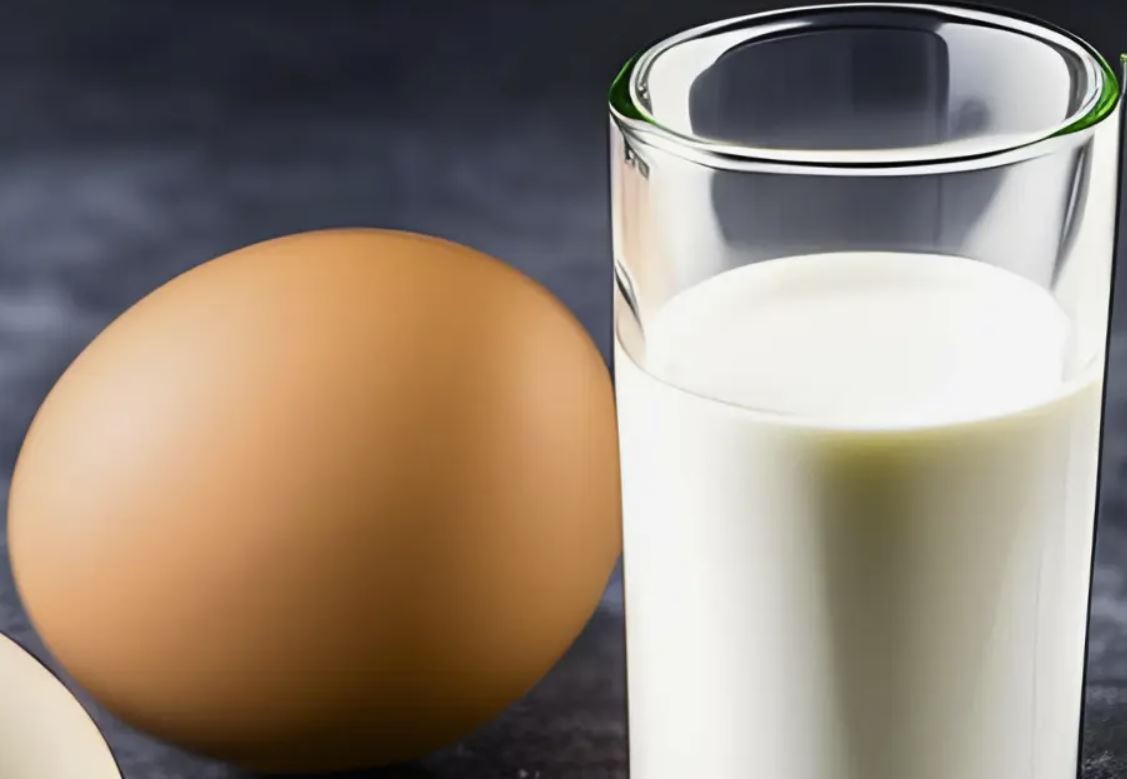
Does this mean that milk is safe to drink and will not transmit AI? Yes and no, as the answer depends on whether it has been pasteurised. Since pasteurisation is a well-established method for destroying micro-organisms and the AI virus through heat, and although there is limited research specifically on the inactivation of H5N1 in milk, we can extrapolate from what is known about its effects in chicken and eggs. We can therefore be confident that there is no risk of AI transmission through pasteurised milk or dairy products.
However, the situation is very different for unpasteurised or “raw” dairy products, as a recent study has shown that mice fed raw milk contaminated with AI developed signs of disease. It is therefore advisable, for safety reasons, to avoid raw dairy products.
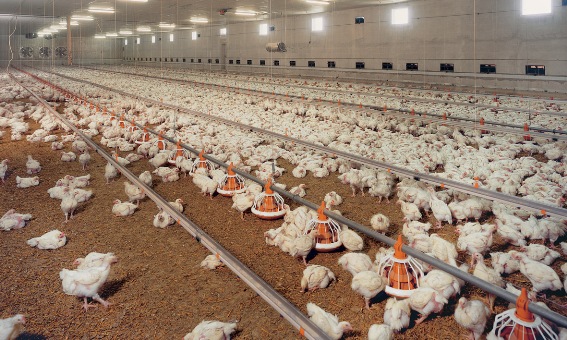
In the case of poultry products, AI has caused outbreaks in wild and domestic birds in many countries around the world, resulting in avian influenza infections in humans, although rare, as a result of close contact with infected live birds or contaminated environments.
Therefore, although the possibility of AI transmission through chicken meat or eggs is remote, it should be remembered that these products must be handled with care due to the possible presence of pathogens such as Salmonella and Campylobacter, which may be found in them.
In the case of chicken, it is important to handle the meat carefully, both when purchasing it and in the kitchen. For example, ensuring that meat juices do not contaminate other items, using a cool bag during transport, and refrigerating or freezing it within a maximum of two hours.
In the case of eggs, the question of whether AI viruses can contaminate them and potentially spread through them has a positive answer, based on a 2007 report indicating that it is feasible for the virus to enter through the shell. This is because AI virus particles are smaller (100 nm) than the pores of the eggshell (at least 200 nm).
Therefore, since the virus could hypothetically enter eggs and be protected from cleaning procedures designed to eliminate micro-organisms from the egg surface, it is best to cook eggs at the appropriate temperature, in addition to avoiding cross-contamination with other raw foods.
In short, if one consumes pasteurised dairy products and thoroughly cooks chicken and eggs, there is nothing to worry about, as AI is inactivated by heat. A far more concerning scenario would be if the virus were to evolve into highly pathogenic strains capable of human-to-human transmission — an eventuality that would be far more alarming than any potential spread through food.
To find out more:
-. Avian Influenza on NeXusAvicultura.com