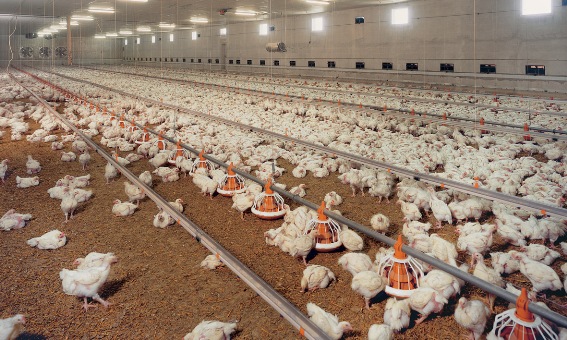


Genetic testing of wastewater in the USA is detecting and enabling the tracking of the spread of the H5N1 avian influenza virus in several states, including Texas. This genome sequencing-based approach allows researchers to rapidly and accurately identify the presence of the virus in different localities, helping authorities to trace its dissemination effectively.
It has now been made public that, following the avian influenza outbreaks that emerged in Missouri in March 2024 and the near-simultaneous detection of the H5N1 virus in several people, health authorities in Texas began investigating the possibility of detecting its presence in wastewater. Indeed, when PCR analysis was carried out on wastewater from various localities across the state, the virus was confirmed in samples from 9 cities. The source of the virus could not be determined, although wild birds were indicated as the likely origin, given that Texas is a convergence point for several migratory flyways.
The use of wastewater to detect infectious diseases has become an important tool in public health surveillance, particularly for the early detection of outbreaks. The methods used to detect H5N1 are similar to those employed during the COVID-19 pandemic, relying on the capacity of PCR to identify specific fragments of the virus’s genetic material.
Researchers have particularly highlighted the importance of this type of monitoring in preventing future outbreaks. By continuously analysing wastewater, it is possible to detect increases in viral load that indicate a potential expansion of the virus in birds and, in some cases, its transmission to humans. Furthermore, these systems allow large-scale assessment without the need for individual testing of humans or animals, thereby reducing associated costs and timeframes.
The report also underscores the relevance of having these technologies available in real time to adapt public health responses. In contexts such as avian influenza, the rapid identification of outbreaks can be critical for implementing containment measures, such as restrictions on the trade of poultry products or the establishment of quarantine zones in affected areas. This surveillance approach enables authorities to anticipate the spread of the virus, minimising its impact on both the population and the poultry industry.
Moreover, tracking H5N1 in wastewater not only helps monitor its prevalence in wild and domestic birds, but also provides crucial data on its adaptation and evolution — information that is essential for the development of avian influenza vaccines for humans and birds, as well as for developing control strategies.
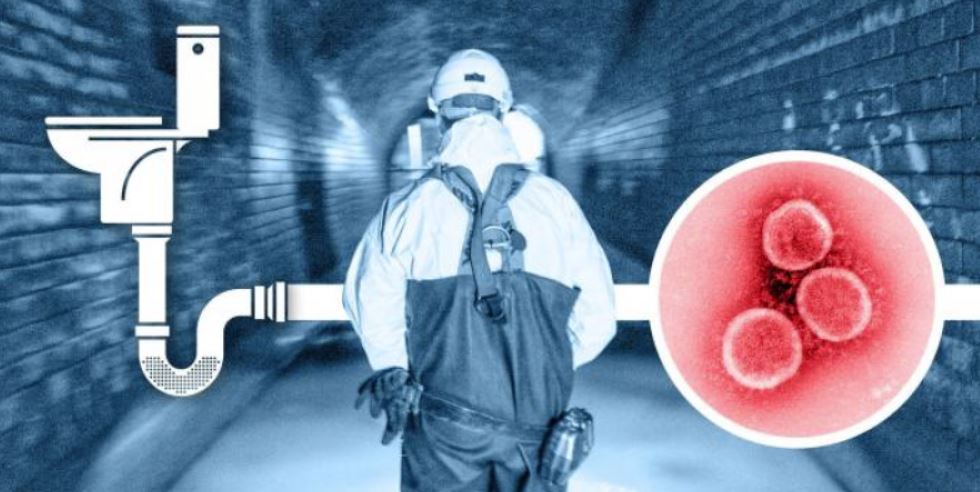
This technological advance in H5N1 surveillance is an example of how genetic diagnostic tools can be applied in innovative ways to improve public health and the management of infectious diseases. The continued and enhanced use of these technologies could revolutionise the way in which other diseases of animal origin — and eventually human infections — are monitored and controlled.
Genetic testing of wastewater represents an advanced and effective approach to tracking avian influenza in any country, enabling health authorities and researchers to act proactively in response to the spread of the virus and to protect both poultry populations and humans. This type of surveillance is fundamental to maintaining control over outbreaks of infectious diseases and improving public health and animal health responses — the well-known “One Health” approach.