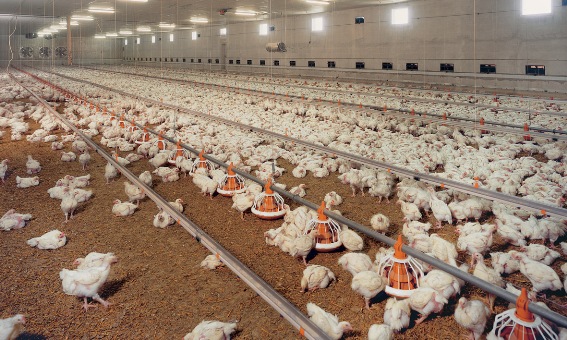

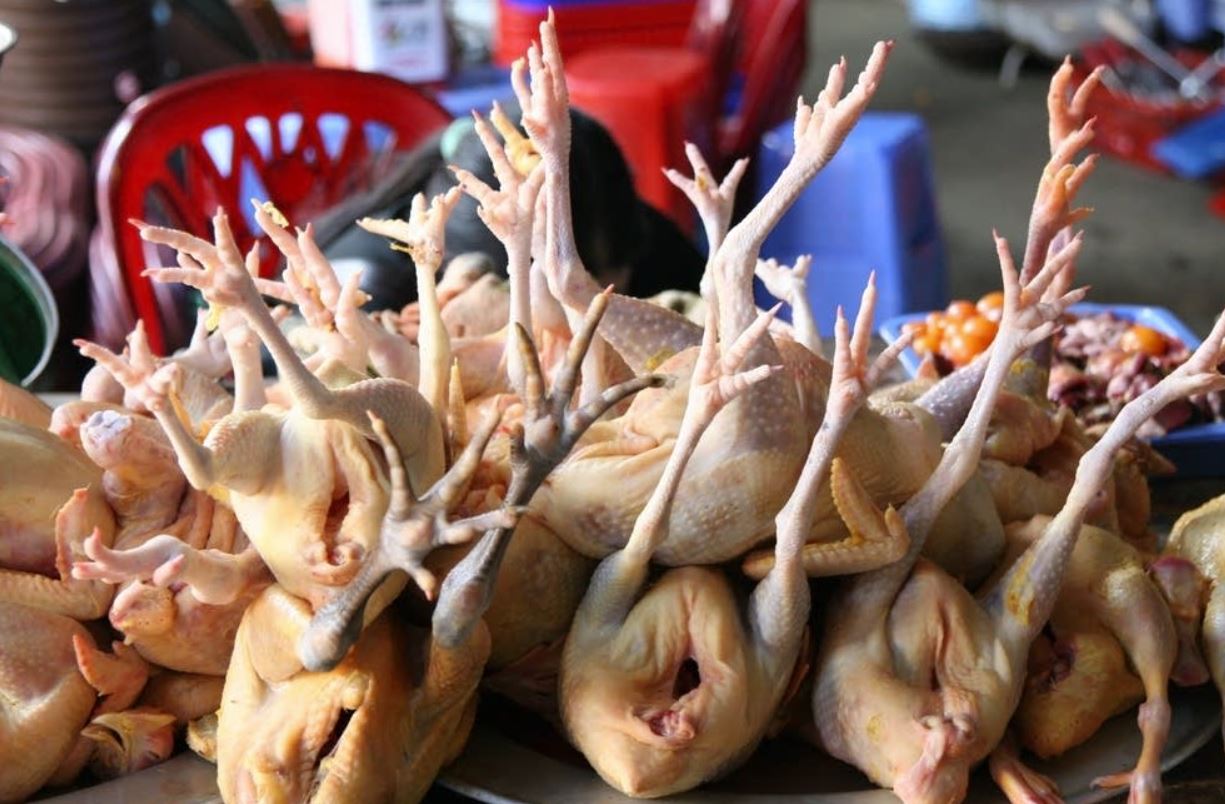
After years of slow growth, the global poultry meat market is returning to historical levels, with 2024 expected to close the year with annual growth of 2.5–3%.
The upturn in poultry meat consumption is driven by lower production costs and a robust recovery in demand, according to Rabobank’s latest animal protein report.
“The strong price position of poultry relative to other proteins in most markets, combined with robust retail demand, recovery in foodservice demand, and growing sustainability strategies supporting demand, are underpinning rapid growth,” commented Nan-Dirk Mulder, Senior Animal Protein Analyst at RaboResearch.
While the global poultry industry landscape has remained relatively profitable, China and Japan continue to suffer from local oversupply. Rapid production growth, combined with more challenging local economic conditions and weaker consumer confidence, has been the primary driver, with relatively low prices and rising inventories. This has also weighed on imports, with large year-on-year declines in raw chicken imports to China and Japan in the first half of 2024.
The European poultry meat sector is performing well, as a result of strong demand and slight declines in feed prices. Breast meat prices have remained firm, with Poland, Europe’s largest chicken-producing and exporting country, recording prices 11% higher in August 2024 compared to August 2023.
While whole chicken and leg prices were also higher in 2024 compared to 2023, rising 5% and 2% respectively, wings saw a slight decline of 1%.
The downward trend in corn and soybean markets has pushed feed prices lower, with Poland experiencing a year-on-year decline of 9% in feed costs.
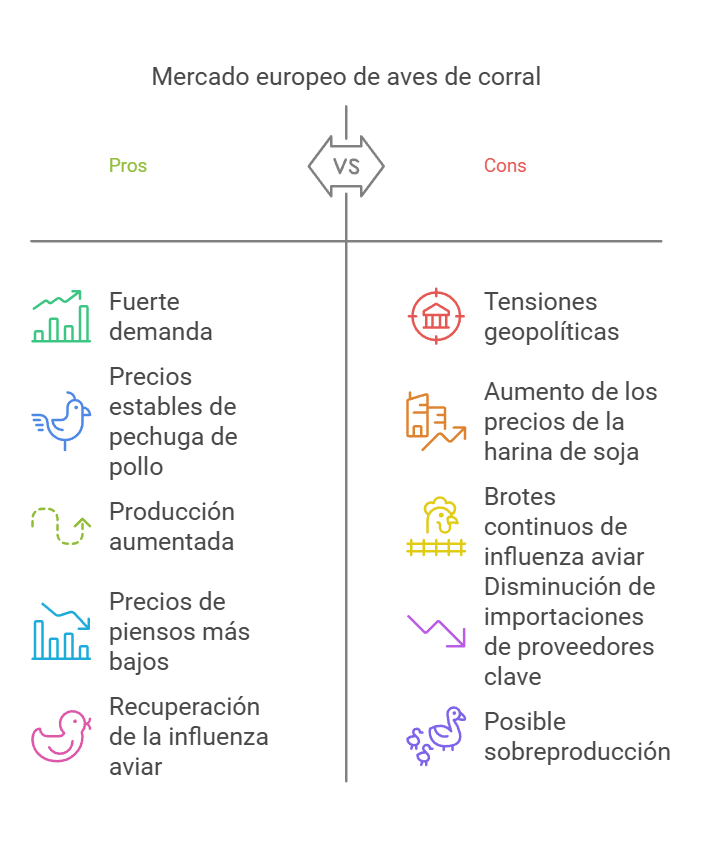
Production in Europe is expected to increase by 3% to 4% year-on-year, as demand is driven by its lower environmental footprint compared to beef and pork.
Total imports increased by 3% in the first half of 2024, driven primarily by a recovery in imports from the United Kingdom. However, imports from key suppliers (Brazil, Ukraine, and Thailand) fell 4% year-on-year.
Nevertheless, the overall global outlook looks broadly positive. Global trade is expected to grow in line with rising worldwide poultry meat demand, albeit against a backdrop of current volatility. Weakening demand for chicken paws in China will exert pressure on prices, but breast meat and processed chicken prices are expected to remain firm, in line with robust market conditions in Europe and Asia.
The outlook for European poultry meat remains solid, and the main challenge is maintaining market equilibrium in a buoyant environment.
Tensions in the Middle East and the resulting diversion of trade via South Africa will continue to weigh on trade between Asia and Europe due to longer transit times and higher costs. And the rollout of the EUDR will cause soybean meal prices to rise by 5% to 10%.
Avian influenza also remains a challenge for the sector, but on average the pressure is easing. In 2024, the EU recorded the lowest number of avian influenza outbreaks since July 2019, and South Africa has remained free of outbreaks on commercial farms with broiler production fully recovered (although egg production remains severely impacted).
The United States is one of the exceptions, with ongoing outbreaks during the summer months significantly affecting the egg sector. As winter progresses in the northern hemisphere, we believe risks will increase once again.
“In a context of ongoing high risks — such as disease, feed price volatility, and geopolitical tensions — supply growth discipline is important to continue operating under balanced market conditions,” warns Mulder.
“Otherwise, the current buoyant market conditions could push producers to expand too optimistically, leading to oversupply as has been seen in China and Japan.”