
Artificial photosynthesis for environmentally friendly food production
Researchers produce an important amino acid from the greenhouse gas CO₂
According to a paper published in the journal Chem Catalysis, researchers at the Technical University of Munich (Germany) have synthesised the amino acid L-alanine using enzymes. Although the technology employed still requires further work before commercialisation, in the future it could enable the animal feed sector to produce amino acids directly from carbon dioxide and renewable hydrogen and ammonia.
In the words of Prof. Volker Sieber, of the Technical University of Munich and one of the authors of the paper, the industry generally relies on fossil fuels or micro-organisms to produce the amino acids added to animal feeds. And while single-cell protein synthesis is generally considered more sustainable than conventional amino acids derived from fossil fuels, it still requires glucose to feed the microbes, which in turn requires access to land that could otherwise support greater biodiversity, says Sieber.
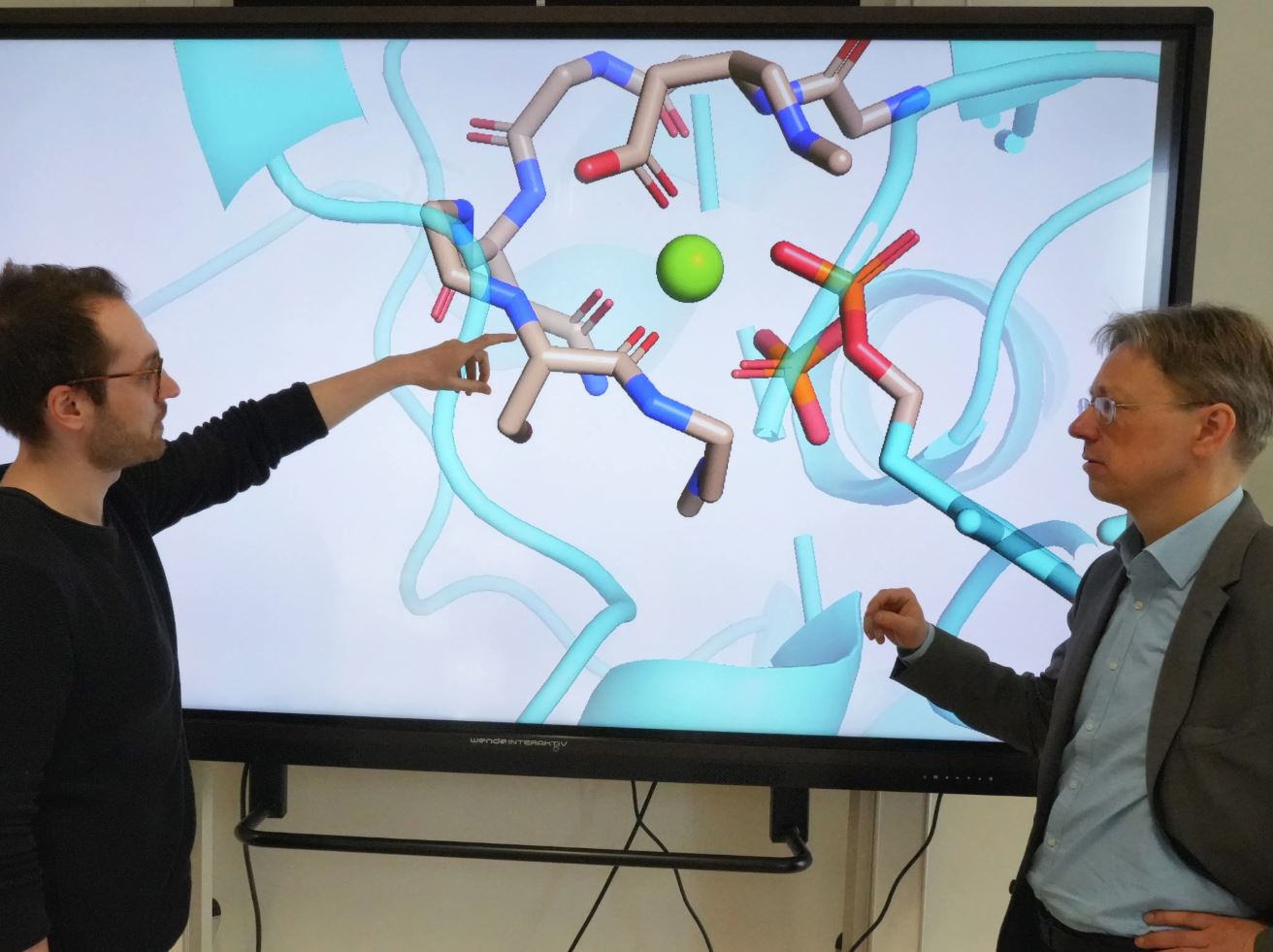
“If you try to synthesise single-cell proteins using carbon dioxide as a raw material, the process triggers intermediate chemicals that are toxic to the micro-organisms themselves,” says Sieber. To overcome this barrier, the Munich University laboratory extracted the key enzymes responsible for amino acid synthesis from the microbes in order to replicate the cellular process outside a living organism.
Using carbon dioxide, hydrogen and ammonia — all preferably from renewable sources — the laboratory was able to achieve a conversion efficiency of almost 100%. They began with L-alanine due to its relative simplicity, but have since also synthesised other amino acids.
Other processes, including microbial synthesis and the production of L-alanine from fossil fuels, remain cheaper than the enzymatic process developed in the laboratory, Sieber has stated. However, his team is now working to refine the process and reduce costs, and he believes that if they can accelerate the action of the enzymes, they will be able to match the cost of other amino acid sources.