

● It poses a direct and immediate threat to the sustainability of the poultry sector, putting thousands of jobs at risk by allowing imports that do not meet strict European quality and sustainability standards.
● They represent unfair competition with tangible environmental risks, as regulatory and production cost differences favour unsustainable practices, compromising food safety and the European Union’s climate objectives.
AVIANZA, the Spanish Interprofessional Association for Poultry Meat, has joined the widespread rejection by the European poultry meat sector, and by agriculture and livestock farming in general, of the trade agreement between the European Union and Mercosur, due to the serious implications it holds for food safety, compliance with production standards, environmental sustainability and the future of the European agricultural and livestock sector.
The agreement, which permits greater imports of poultry meat and other agricultural products from Mercosur countries (Brazil, Argentina, Paraguay and Uruguay), represents a significant risk to the quality and sustainability standards that distinguish European production. According to the latest reports from the EU Directorate-General for Health and Food Safety (DG SANTE), Brazil faces serious difficulties in ensuring compliance with European health standards, raising concerns about the safety of imports.
A devastating impact on local production
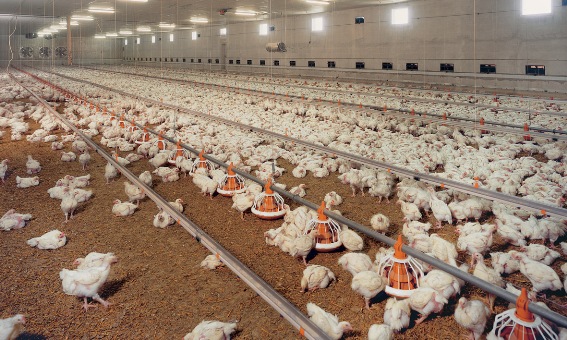
The agreement provides for an additional import quota of 180,000 tonnes of poultry meat from Mercosur (in addition to the 300,000 tonnes already authorised), equivalent to the combined production of countries such as Finland, Sweden and Denmark. These imports not only affect local producers but also generate unfair competition by allowing the entry of products that do not comply with the strict animal welfare, food safety and environmental sustainability regulations governing the EU.
Currently, 25% of the chicken breast meat consumed in the EU comes from third countries such as Brazil, Thailand and Ukraine, which do not operate under the same standards. This situation will worsen once the agreement enters into force, weakening local production and putting thousands of jobs in the Spanish poultry sector at risk.
Spanish poultry producers face significantly higher production costs due to compliance with strict animal welfare, food safety and sustainability regulations. These standards are estimated to account for between 6% and 8% of the retail price of poultry meat in Spain (and this is before the new animal welfare regulations and the non-deforestation origin requirements for soya have even been approved). By contrast, Brazilian producers operate under less demanding regulations, enabling them to offer lower prices and creating unfair competition that threatens the viability of the Spanish poultry sector.
Risks to environmental sustainability and biodiversity
The agreement contradicts the commitments undertaken by Europe on climate action and biodiversity protection. Mercosur countries, particularly Brazil, have repeatedly been cited for unsustainable practices such as large-scale deforestation and the use of substances banned in the EU, such as atrazine in agricultural crops, as well as the use of antibiotics and hormones. These regulatory disparities not only undermine global efforts to combat climate change but also erode the sustainability objectives set out within the framework of the European Green Deal.
Lack of reciprocity and transparency for consumers
Despite promises regarding origin labelling, current regulations do not require the identification of the origin of meat used in processed products, such as ready meals or food served in restaurant chains. This leaves European consumers exposed to products that do not meet the standards they expect, with no opportunity to make informed choices.
AVIANZA insists on the need to implement mandatory labelling for all meats and poultry products, as well as to ensure reciprocity in production standards between the EU and exporting countries.
A call to action
AVIANZA, in line with the position of other European associations such as AVEC, CEPM and COPA-COGECA, has urged European Union policymakers to reject the agreement in its current form. Allowing the entry of agricultural products that do not meet European standards would be a strategic mistake that would undermine food safety, consumer welfare and the sustainability of the poultry and agri-livestock sector as a whole.
The future of European agriculture and livestock farming depends on a trade policy that protects Europe’s poultry and livestock farmers and does not resort to the hypocrisy of requiring them to produce at higher cost only to then authorise the entry into the EU of food produced under lower quality and animal welfare requirements.
Source: AVIANZA