
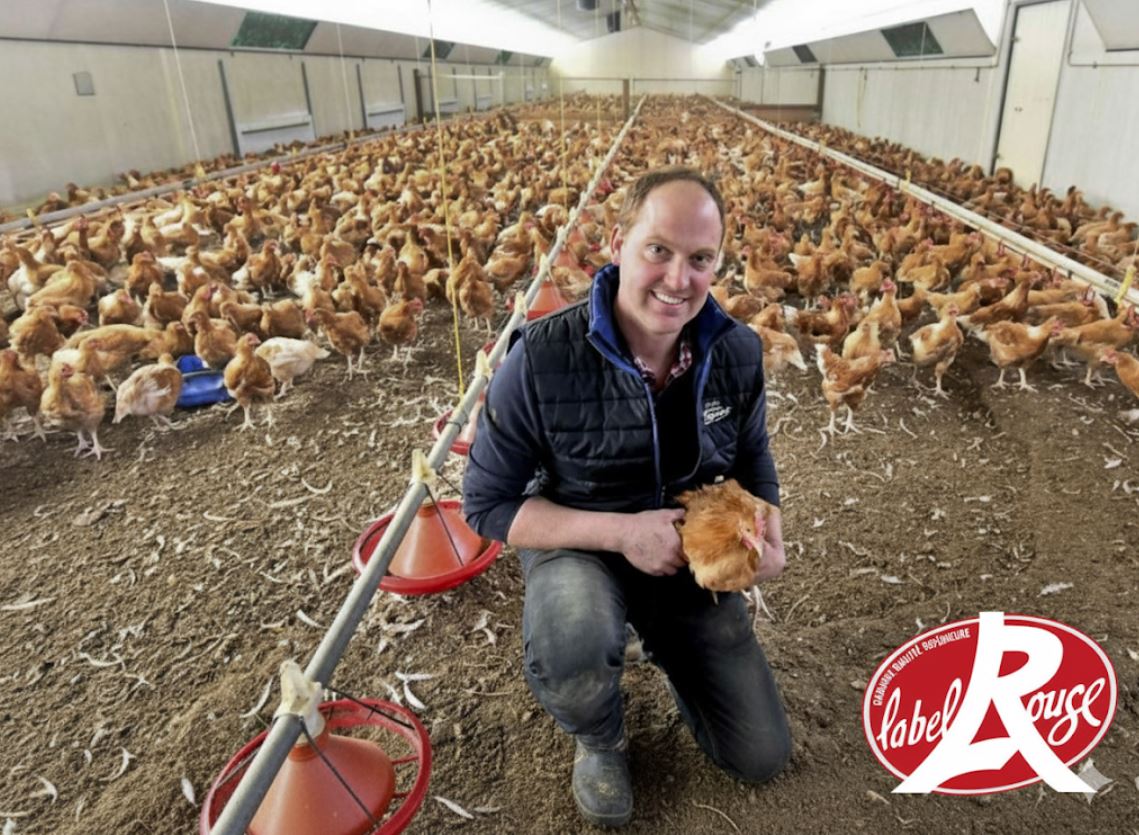
In 2025, the French poultry sector celebrates a historic milestone: the 65th anniversary of the Label Rouge label, a mark that has become synonymous with superior quality and consumer confidence. Born out of the efforts of poultry farmers and livestock producers who wanted to differentiate themselves from mass industrial production, this distinction has made a difference for more than six decades, especially for the poultry sector, which was a pioneer in obtaining it.
The history of Label Rouge begins in post-war France. Faced with the advance of industrial livestock farming, which prioritised mass and cost-effective production, a group of poultry farmers who did not want to transition to large-scale meat poultry production decided to protect and differentiate their traditional methods. These producers, such as Fal Falkenberg in the Landes and Boudin Bogarni in Sarthe, sought a way to guarantee consumers a product with superior taste qualities, reared with a respectful know-how.
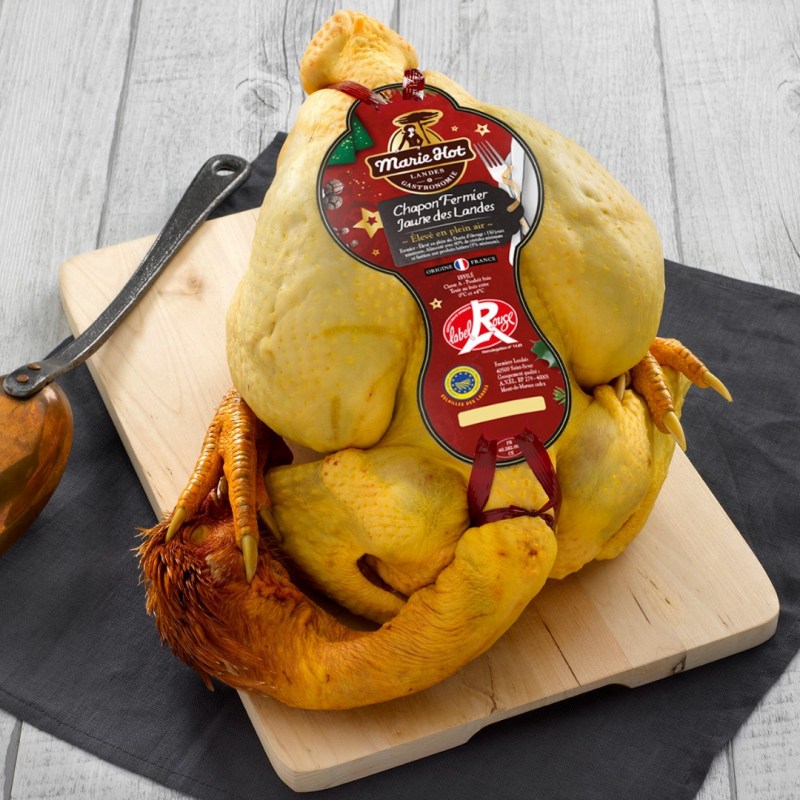
This movement culminated in the official creation of the label in 1960, through the Agricultural Orientation Act. It is no coincidence that the first products to receive this prestigious distinction, in 1965, were precisely poultry: the yellow chicken from the Landes and the white chicken from Loué. This fact underscores the fundamental and founding role of the poultry sector in the history of differentiated quality in France.
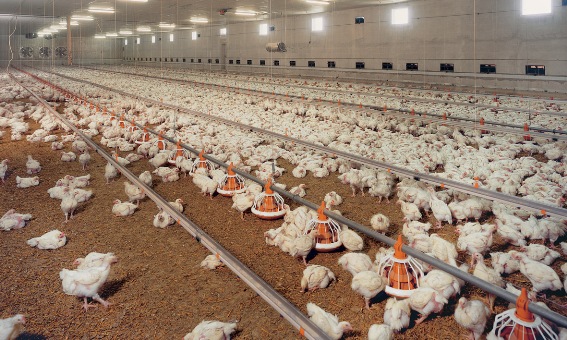
They were not seeking to compete in the same market niche as the broiler chicken, with which they could never compete on cost, but rather to create a new niche. And they succeeded, with both complementary markets coexisting today.

Origins: the battle to preserve traditional rearing methods and quality
I remember as a child devouring the Asterix books, which all began the same way: “The year is 50 BC. Gaul is entirely occupied by the Romans… Well, not entirely! One small village of indomitable Gauls still holds out against the invader.” And that is precisely where we find ourselves.
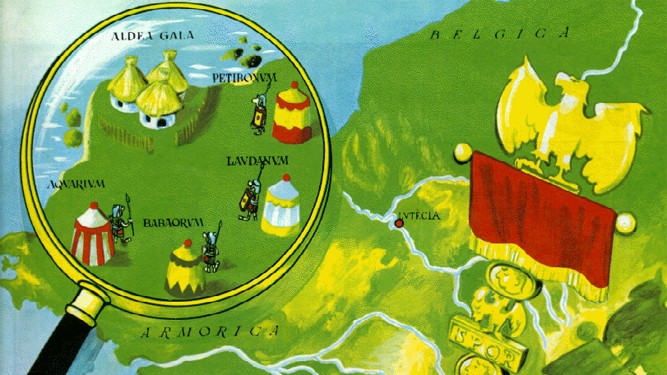
I draw this parallel because, had it not been for the stubbornness of a group of “indomitable” poultry and livestock farmers 65 years ago, Label Rouge would never have begun its journey, nor overcome all the obstacles to reach its current resounding success. Its origins date back to the post-war period, around 1958, when the industrialisation of livestock farming was expanding to feed the population cheaply — a perfectly logical priority in a Europe that was beginning to recover after the devastating Second World War.
Yet in parallel, a group of producers, proud of their products and of a more tradition-oriented approach, sought to differentiate themselves and gain recognition. Places such as the Landes de Gascogne and Loué in Sarthe were the historic cradles of this movement.
Key figures such as Fal Falkenberg in the Landes and Boudin Bogarni in Sarthe worked to ensure that these traditional production systems were recognised by the authorities. In 1958, influential figures joined forces to protect traditional production from industrial competition. Leveraging an agricultural orientation act, in 1960, agricultural quality marks were inscribed within the legal framework, laying the foundations for what we know today as Label Rouge. The concept was built on a “triptych”: superior product quality, particular production characteristics, and, where applicable, origin.
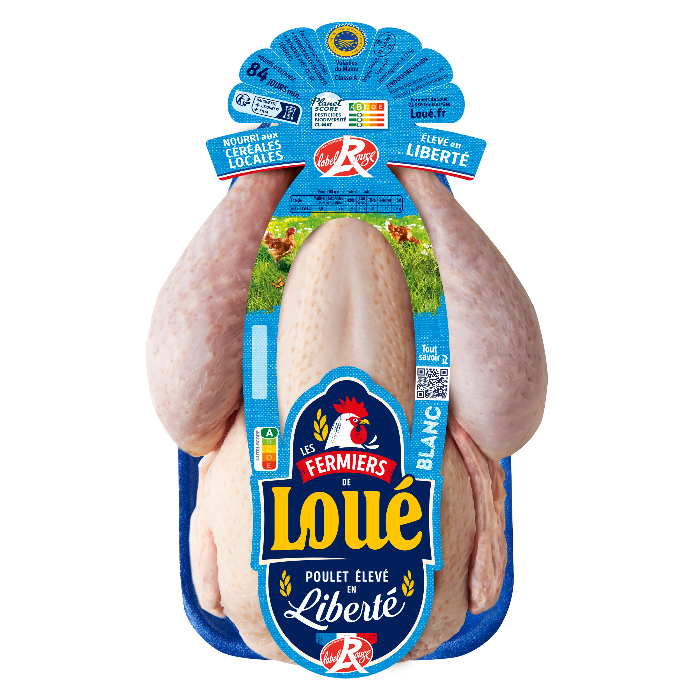
The first to lead the way, in 1965, were precisely the yellow chicken from the Landes (Poulet jaune des Landes) and the white chicken from Loué (Poulet blanc de Loué). This demonstrates that the poultry sector was a pioneer and played a fundamental role in the creation and consolidation of this label.
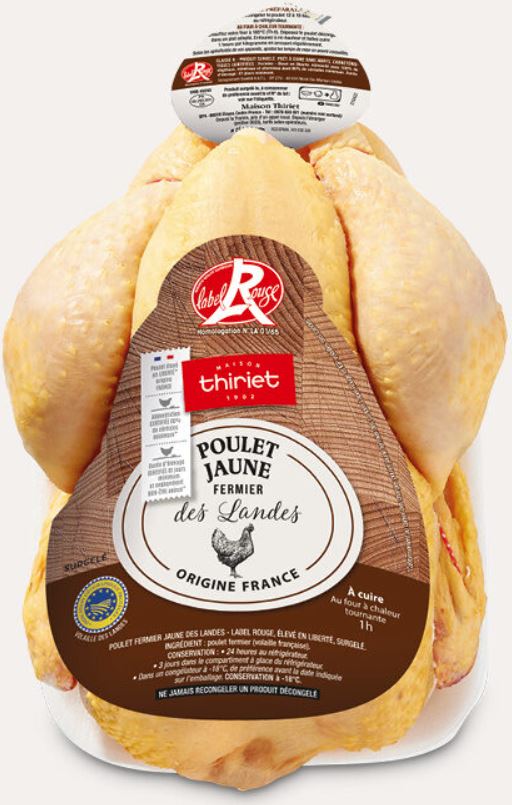
A label that fosters collaboration and the establishment of new poultry farmers
Label Rouge is more than a simple label; it is a unifying force that has enabled producers, slaughterhouses and distributors to work together, driving the development of the entire sector. This virtuous organisation has facilitated the establishment of young poultry farmers, supporting generational succession and the diversification of existing operations, creating employment throughout the value chain.
Initially, the Label Rouge structure organised producers, rationalised production on their farms and grouped them together to place sufficient volumes on the market. It then enabled inter-professional organisation, bringing together all actors in the supply chain. Poultry farmers joined together in defence syndicates, which hold the collective trademarks and are responsible for monitoring both compliance with the product specifications and the final quality of the product. Cooperatives, for their part, have played a decisive role as a bridge between the defence organisations and the farmers.
The Label Rouge for poultry has been a driver of development and sustainability for local SMEs, enabling young producers to succeed their parents and allowing small slaughterhouses to grow significantly.
In 2025, the French poultry and agri-livestock sector celebrates a historic milestone: the 65th anniversary of Label Rouge, a label that has become synonymous with superior quality and consumer confidence. To mark this anniversary, FedeLIS (Fédération Label Rouge) has produced a series of videos reviewing the rich history of the label. The first episode is now available on its YouTube channel, a valuable resource for recalling this “wonderful story of the creation of Label Rouge by poultry farmers committed to artisanal, quality animal production, respectful of both products and animals.”
The logo and its message: from a wax seal to a national symbol
The first Label Rouge logotype, a red wax seal, was created in 1971 as an official mark of the public authorities. This logo evolved in 1989 into the one we know today, incorporating the Eiffel Tower as a symbol of tradition and modernity, which has given it exceptional visibility and recognition among consumers.

Label Rouge’s communication has evolved from initial word of mouth to mainstream media. We recall the first SYNALAF advertising spot for Label Rouge chicken, which conveyed a clear message: “Some decided to do it better” — because Label Rouge is not just a label, it is an ethos.
Label Rouge has overcome major challenges but does not dwell on the past — it looks to the future.
Over its 65 years, Label Rouge has faced numerous challenges. One of the most significant battles has been the fight against imitations, since “success has many fathers, and failure is an orphan.” Work has also been undertaken to adapt to new consumption patterns, incorporating processed products and updating product specifications.
A decisive moment for the poultry sector was the defence of the term “fermier” (free-range/farm-reared) at European level. The conviction of French industry professionals made it possible to establish production standards at European level and ensure the long-term viability of the Label Rouge supply chains. Without that battle, the Label Rouge supply chain might not exist today.
Looking ahead, Label Rouge must continue to meet consumer expectations, addressing concerns such as global warming, biodiversity loss and animal welfare. This may involve the incorporation of new indicators such as the “Planet Score” or nutritional indicators. It is essential to reconcile tradition and modernity, improve the carbon footprint and continue modernising working conditions on farms without compromising product quality.
Today’s consumers prioritise quality over quantity; they seek to eat less meat but of better quality, with good flavour and the assurance that animals have been well treated and fed and have had access to outdoor areas. Label Rouge remains a timeless and relevant tool, and its relative “gradualness” in evolution has generated the wisdom needed to consolidate well-recognised tools with a bright future.
The Label Rouge label, and everything its rearing system demands, is a French specificity that has succeeded in finding market outlets and in segmenting the market to the benefit of poultry farmers, enabling economic viability for small-scale producers who did not want or were not able to transition to more industrial rearing systems. It is essential that consumers have access to “alternative” or “differentiated” production systems, and that they can choose the type of product they purchase. Six and a half decades later, the market has demonstrated that there is room, a viable business, and a prosperous future for poultry farmers who are able to maintain or create differentiated poultry products such as Label Rouge.
Key Milestones of the Label Rouge label (source: D. Chaillouet)
1960: The birth of a vision At the dawn of the 1960s, France was sowing the seeds of what would become a cornerstone of its food heritage. On 5 August 1960, the then Minister of Agriculture, Henri Rochereau, signed the first Agricultural Orientation Act. A key article of this legislation, number 28, gave the green light to the creation of the agricultural quality mark — an initiative that arose at the request of industry professionals themselves.
1961–1964: Laying the regulatory foundations The following year, on 27 June 1961, Edgar Pisani took on the task of establishing the conditions for the approval of these marks. This regulatory effort continued with the creation, on 14 August 1964, of the Higher Commission for the Quality of Agricultural and Food Products, a body fundamental to the oversight and guarantee of standards.
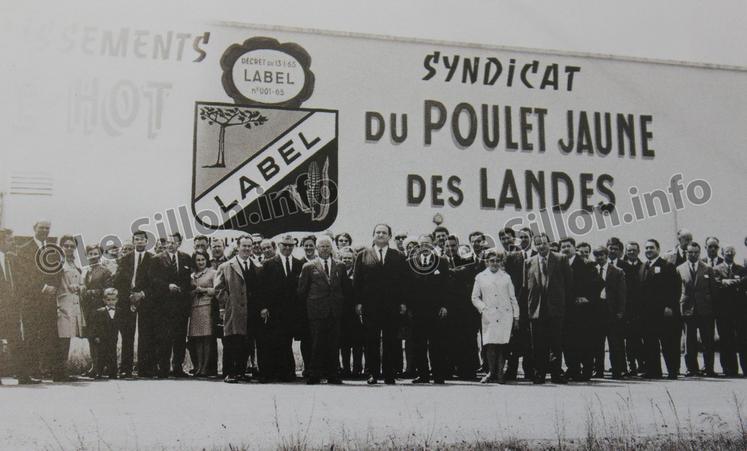
1965: The first recipients and initial expansion On 13 January 1965, a decree abolished the 1961 regulations, but the same day marked a historic milestone: the chicken from the Landes obtained the first food quality mark, under number N°01 65. This event opened the floodgates, and throughout 1965 other products began to receive their own marks, although some would later disappear due to lack of production.
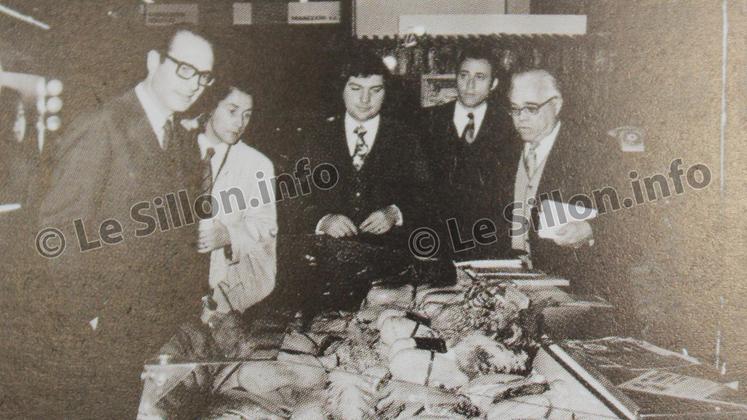
1966–1967: Diversification and organisation The dynamism of the label system continued in 1966. The pink garlic from Lautrec became the first fruit and vegetable product to obtain the mark (N° LA 02 66). Shortly afterwards, the Loué chicken also received this recognition (N°12 66). In an effort to promote these productions, sector professionals created Cerqua. The year 1967 witnessed institutionalisation with the birth, in July, of SYNALAF (Syndicat National des Labels Avicoles de France), presided over by Albert Falkenberg, a pioneering figure in the history of the label.
1968–1979: Expansion into new sectors At the end of the 1960s, in 1968, specific cases emerged such as Camembert de Normandie, foreshadowing the future arrival of cheese AOCs. It was a period of great activity, with numerous products coming forward, although some would have a short-lived future within Label Rouge.
In 1969, Lacaune ham marked the entry of cured meat products into the system. February 1971 saw the birth of the first label for charcuterie products, and in parallel the Label Rouge logotype was standardised, establishing its mandatory characteristics. Subsequent years brought further additions: suckling veal in 1972, ham in 1973, the first beef label in 1974, and finally, in 1979, Emmental was consolidated as the first dairy product to maintain its label.
1983–1989: Consolidation and a new logo A crucial step in the Label Rouge identity came on 17 June 1983, when Michel Rocard, then Minister of Agriculture, signed the decree making the use of the Label Rouge logotype and regional label logos compulsory. In keeping with this, quality groups were requested to transform into Certification Bodies. That same year, a processed product — snails — obtained its label.
The decade continued with expansion into new categories: the first label for lamb arrived in 1985, followed by the label for pork and the first turf label in 1987. In 1989, seeking a distinctively French aesthetic, the new Label Rouge logotype adopted a lighter, more airy image. Simultaneously, the seafood sector joined the movement with the first fine green claire oyster from Marennes-Oléron.
1990–1992: Marketing, internationalisation and new European frameworks The 1990s brought a focus on promotion and harmonisation. In 1990, co-financed by the Ministry of Agriculture, the advertising campaign “officially good” was launched. That same year, Label Rouge transcended French borders by accepting its first European product: Scottish salmon. Sylaporc, the syndicate for pork and charcuterie labels, was also created. A 1991 study, “The Future of Regional Products”, revealed the remarkable brand awareness of Label Rouge, reaching 81% recognition.
In 1992, the quality landscape in France was enriched by the birth of Protected Designations of Origin (PDO), Protected Geographical Indications (PGI) and Traditional Specialities Guaranteed (TSG), all linked to Label Rouge. The latter stood out as an agricultural quality sign for minimally processed products, rooted in local production areas and geographical origins.
2003–2009: Greater specialisation and global reach The new millennium brought greater specialisation and reach. In December 2003, the first label for aromatic products — herbes de Provence — was created, and Fil Rouge, the federation for Label Rouge beef, veal and lamb, was founded. In 2005, Aqualabel, the association for seafood and aquaculture products, was established.
The year 2006 was significant, as Label Rouge came under the remit of INAO (Institut National de l’Origine et de la Qualité), although the Agricultural Orientation Act of that year removed the mandatory link with the label. A notable milestone came in 2007 with the establishment of the first global Label Rouge: the Madagascar prawn. Finally, in June 2009, FedeLIS, which had been the Label Rouge Federation, was restructured to incorporate all value chains holding a PDO (excluding cheeses and wines), PGI and TSG.
Today: A recognised legacy Currently, more than 400 products bear the prestigious Label Rouge, a “mark of quality and trust” recognised by 97% of consumers. This label not only guarantees superior quality but also contributes significantly to France’s rich food heritage.
Label Rouge has been far more than a simple label — it has represented a collective tool for organising, rationalising production and marketing sufficient volumes, establishing a solid inter-professional collaboration. It has also offered clear market recognition and a promotional platform, facilitating the establishment of young poultry farmers and generating employment throughout the entire value chain.
Looking to the future, Label Rouge faces the challenge of continuing to reconcile tradition and modernity, responding to the demand for more responsible consumption: less meat, but of better quality, with well-treated and well-fed animals.
For French poultry farmers committed to differentiation, this French label continues to represent a guarantee for the future and proof of their unwavering commitment to a different way of producing poultry meat — one that in no way replaces but rather enriches and complements more industrial production.
For poultry meat producers in other countries who wish to offer a differentiated poultry product, it is undoubtedly a success story worth studying and learning from.
Federico Castelló
fedecastello@NeXusAvicultura.com
Founder and Director of NeXusAvicultura.com
For further reading:
-. Official website Volaille Label Rouge
-. Poultry farming in France
-. Label Rouge