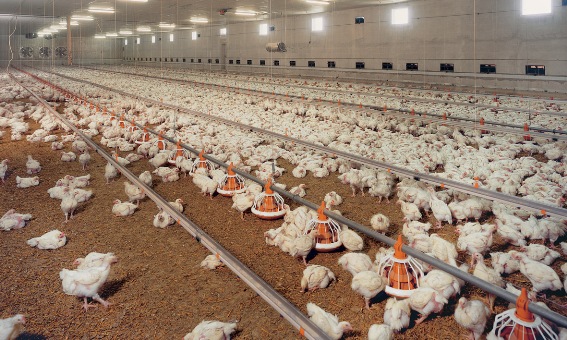


The AVEC “Guide to Best Practices for Turkey Farm Management” highlights the importance of comprehensive management to ensure turkey welfare and sustainable production.
This practical guide, aimed at veterinarians and farmers, focuses on continuous training, strict biosecurity, proper feed and environmental management, and rigorous traceability; considering these the essential points for achieving high quality and welfare standards in turkey production.
These practices not only improve the health and welfare of turkeys, but also contribute to the economic and environmental sustainability of poultry production.
Turkey Welfare and Management
Animal welfare is fundamental to turkey production. AVEC promotes a “One Health” approach, where the health of animals, humans and ecosystems are interconnected.
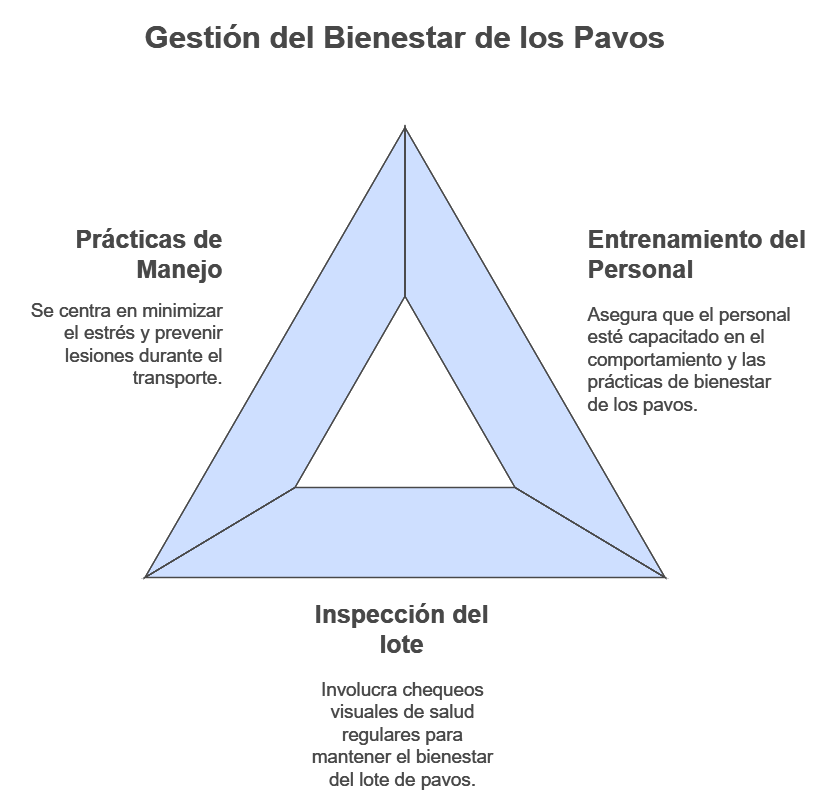
Good management practices on turkey farms enable sustainable and efficient production. The main recommended practices are:
- Staff Training: Personnel must be trained in areas such as normal and abnormal turkey behaviour, facilities management and corrective actions. These competencies must be assessed and updated every two years, ensuring that staff are aware of the latest developments in animal welfare and EU regulations.
- Flock Inspection: Turkeys should be inspected at least twice daily, identifying any health or behavioural issues and recording observations. Sick or injured birds must be separated from the group to receive intensive care or be culled following approved procedures.
- Catching and Handling: The catching team must be trained to minimise stress in the birds. During loading and transport, appropriate lighting levels must be maintained and turkeys must be handled in a manner that prevents injury.

Facilities and Biosecurity on Turkey Farms
Proper facilities management and biosecurity are essential for preventing disease and ensuring an optimal environment for turkeys.
- Facilities Management: Farms must have a detailed plan covering the location of buildings and equipment, as well as emergency plans for contingencies such as heat or cold stress, fires, and water or electricity outages. Facilities must be designed to meet welfare requirements and be resistant to regular disinfection.
- Biosecurity: Strict hygiene measures must be implemented for both staff and visitors, including the use of protective clothing and footwear. Additionally, an “all-in, all-out” management system is recommended to minimise the risk of disease transmission between flocks. Cleaning and disinfection of facilities and equipment must be carried out meticulously, particularly between batches and following disease outbreaks such as Salmonella.
- Pest Control: Pests such as rodents and wild birds are disease vectors; therefore, effective pest control must be carried out by licensed contractors or trained personnel.
Nutrition and Feeding
Feed and water are essential for the healthy growth of turkeys, and related practices must be optimised to meet their nutritional needs and minimise stress.
- Drinker and Feeder Systems: Turkeys must have constant access to water and feed, with drinker and feeder heights adjusted according to bird size to avoid unnecessary competition. Additionally, an emergency water supply capable of meeting flock requirements for at least 24 hours is recommended.
- Feed Supplements: Feed quality is fundamental to avoiding metabolic disorders. It is important to select ingredients that do not cause metabolic disturbances and to use supplements and enzymes that improve feed utilisation and litter quality.
Stocking Density and Ventilation
Managing bird stocking density and house ventilation are fundamental to turkey welfare.
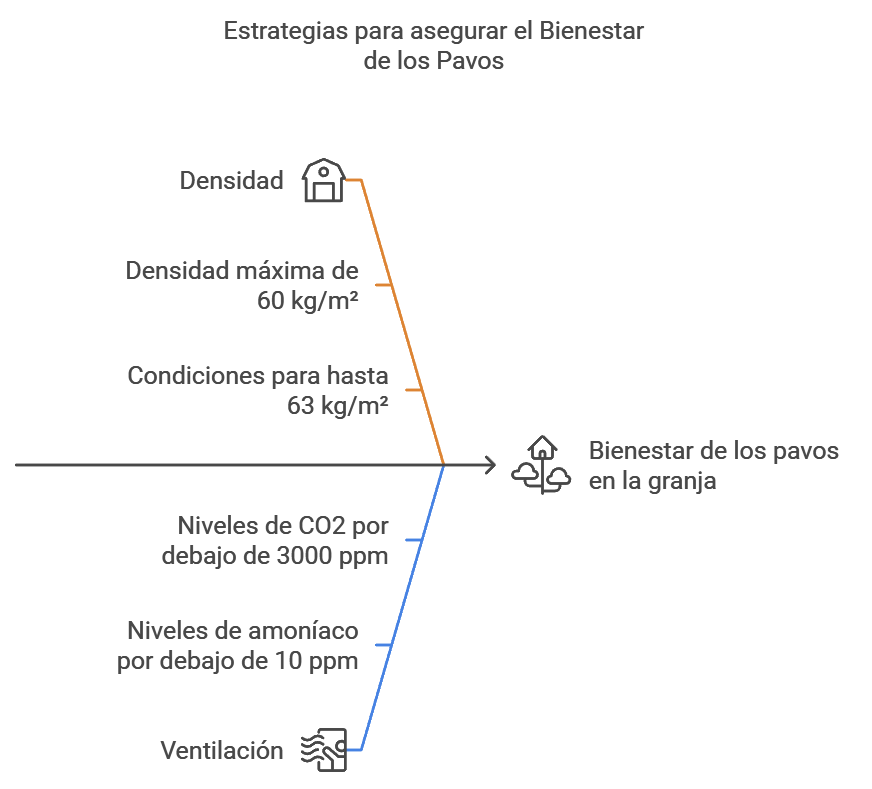
- Stocking Density: The recommended stocking density in a house must not exceed 60 kg/m². Access to feed and water and freedom of movement are key factors to consider in ensuring bird welfare. A density of up to 63 kg/m² may be acceptable provided certain conditions are met, such as adequate staff training and regular veterinary inspections.
- Ventilation: House ventilation must ensure air quality that meets the physiological needs of the turkeys. An ammonia level below 10 ppm and a maximum carbon dioxide level of 3,000 ppm are recommended. The ventilation system must be appropriate for the design conditions of the facility and equipped with backup systems.
Turkey Health and Welfare
The health and welfare of turkeys are ensured through a combination of good management practices, continuous monitoring and the appropriate use of medicines.
- Health Plan: A health plan must be established that includes strict biosecurity policies and vaccination programmes designed in collaboration with a veterinarian. This plan must be reviewed annually.
- Use of Medicines and Antimicrobials: Medicines must be administered only when necessary and in accordance with veterinary prescription. Medicine use records must include details such as treatment date, quantity administered, withdrawal period, among others.
Emergency Management and Alarms
Facilities must be equipped with alarm systems that respond to extreme temperatures and power failures, and these systems must be reviewed periodically. In addition, an emergency plan must be in place for events such as avian influenza outbreaks, heat or cold stress, and water emergencies.
Records and Traceability
Maintaining accurate records is fundamental to traceability and consumer confidence. Details such as flock inspections, medicine administration, temperatures, and pest control visits, among others, must be recorded.
For further information:
-. Download: “TURKEY MANAGEMENT BEST PRACTICES” (2024) . European Guidelines developed by AVEC representing the European poultry producers and processors in Europe