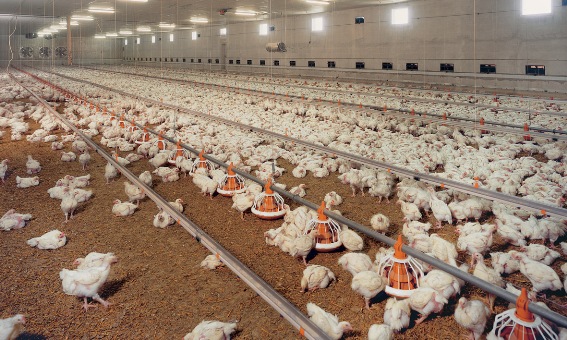

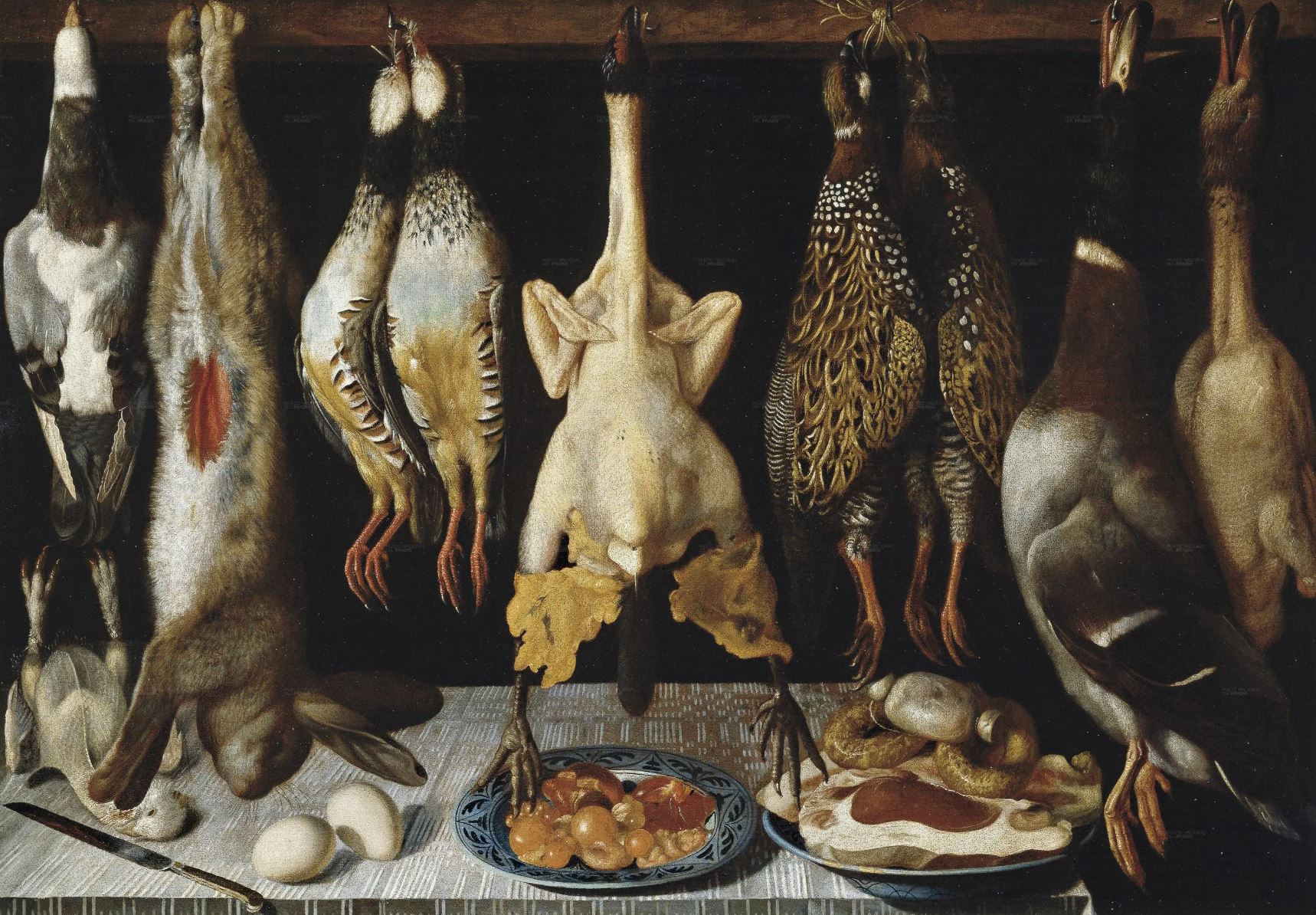
Poultry meat, the historic centrepiece of the Catalan Christmas table: eight centuries of tradition, identity and local flavour
An analysis by the Federació Avícola Catalana, in collaboration with historian Jaume Fàbrega, reveals the central role of poultry meat in Catalan Christmas gastronomy from the Middle Ages to the present day
Barcelona, 8 December 2025 — Poultry meat is not merely an ingredient in Catalan cuisine: it is a symbol of identity, tradition and celebration. To mark the Christmas season, the Federació Avícola Catalana (FAC) presents a historical study tracing eight centuries of culinary tradition linked to poultry, from medieval banquets to today’s dining tables. This work, produced in collaboration with historian and Catalan gastronomy expert Jaume Fàbrega, demonstrates that poultry meat has been — and continues to be — a cornerstone of Christmas celebrations, reflecting the bond between territory, family and heritage.

A legacy rooted in the Middle Ages
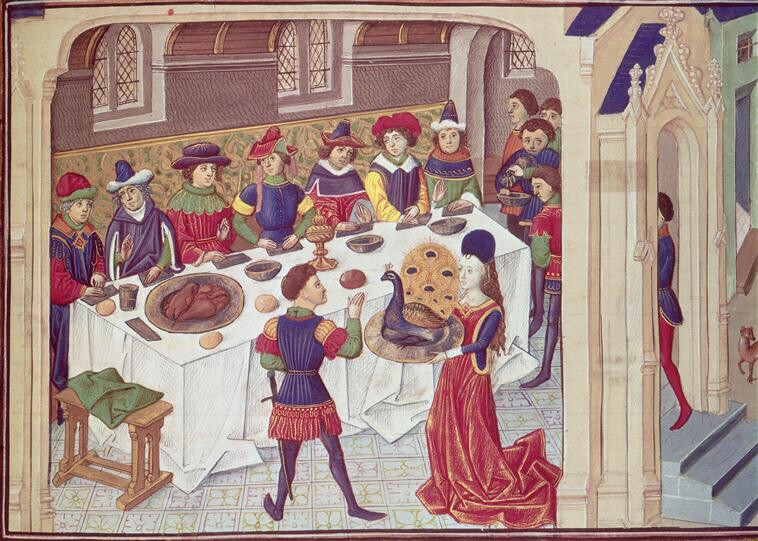
The earliest documented records place poultry meat on Christmas tables as far back as the Middle Ages. Dishes such as escudella i carn d’olla — the emblematic Catalan stew — included pork, veal, lamb and, notably, hen, a food then reserved for special occasions and associated with prestige. Authors such as Jofre de Foixà and Jaume March mention stuffed capon in their writings as an exquisite delicacy, cementing its place in festive haute cuisine.
Christmas dishes that have defined generations
Over the centuries, poultry meat has been incorporated into recipes that define the Catalan Christmas:
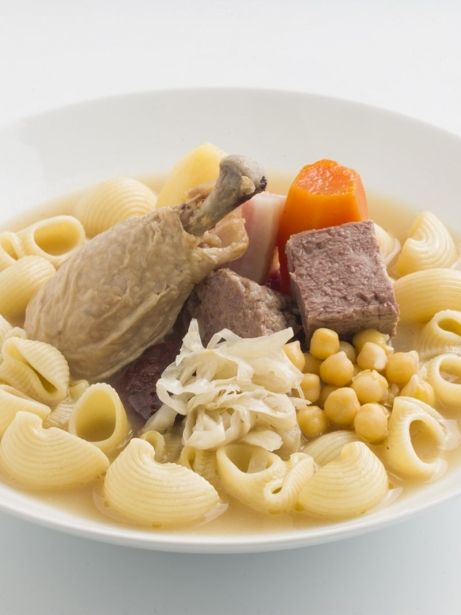
- Escudella i carn d’olla with poultry: The foundational dish, in which hen lends richness and depth to the broth, symbolising the luxury of bygone times.
- Roasted poultry: Chickens, capons, turkeys and ducks became the centrepiece of the Christmas menu, with variations that endure in homes and restaurants alike.
- St Stephen’s Day cannelloni: A fine example of culinary sustainability, made from the leftovers of the roast, including poultry meat.
- Quail in pastry baskets: A speciality of Lleida, prepared with foie gras and truffle, showcasing the refinement of poultry in festive cooking.
- Special Christmas poultry: Capons, poulards, poussins and turkeys, introduced from the 16th century onwards, enriched the table with elaborate roasts and sophisticated stuffings (dried fruits, truffle, aromatic herbs).
Stuffed chicken: a classic that transcends the centuries
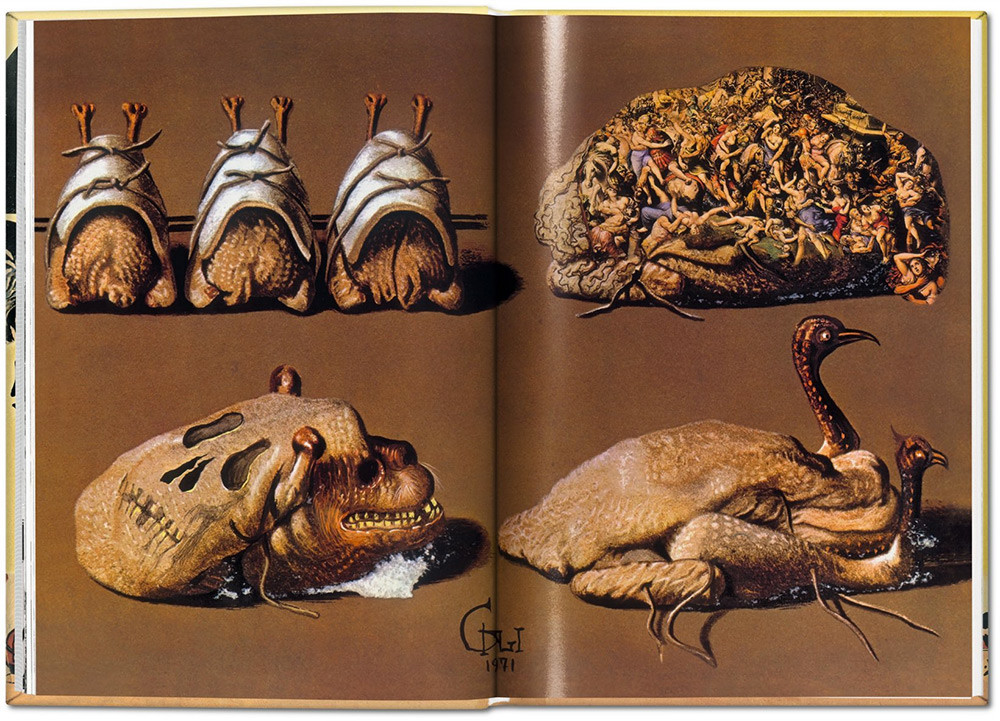
From the Middle Ages to the present day, stuffed chicken remains a Christmas jewel. Its stuffing — featuring prunes, pine nuts, raisins, butifarra sausage, brandy and herbs — has evolved over time, yet retains its essential character. Josep Pla described it as “a white-fleshed, delicious chicken, stuffed in the old style”. This dish, served at the wedding of Salvador Dalí and Gala in 1958, stands as a symbol of continuity and tradition.
Innovation and tradition: from the rotisserie to charcoal-grilled chicken
The 20th century brought advances such as the multi-bird rotisserie, invented in 1957 by Spanish engineer Ignasi Miró (Lleida). This technique, documented since the 14th century, popularised charcoal-grilled chicken, a healthy, deeply rooted product that holds its own against international chains.

Poultry fairs: a living tradition in the markets
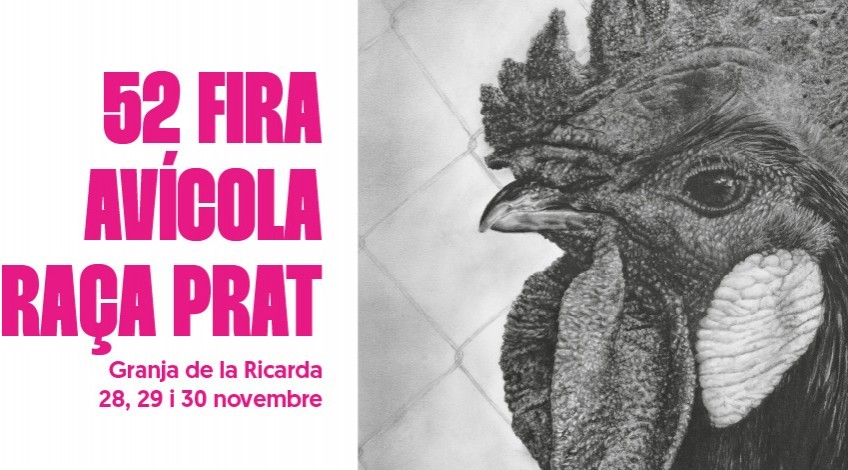
Poultry fairs and Christmas poultry markets, such as the one in Valls, are key venues for purchasing fresh poultry: capons, turkeys, hens and ducks. These fairs, which promote native breeds such as the Gall del Penedès IGP and the Pollastre i Capó del Prat IGP, as well as the Partridge Fair of Vilanova de Meià, reinforce the connection between the land, gastronomy and territory.
A heritage that preserves the work of local producers
The FAC highlights the essential role of Catalan farmers and poultry companies, who uphold quality, local sourcing and high production standards. “To speak of Christmas in Catalonia is to speak of poultry meat: of local produce, craftsmanship, tradition and a unique way of celebrating”, says Joan Anton Rafecas, president of the FAC. In a year in which Catalonia holds the title of World Gastronomy Region 2025, the FAC advocates for the protection of this legacy as an integral part of Catalan culinary identity.
The Gastrosàvies project: the living memory of Catalan cuisine
The study incorporates testimonies from the Gastrosàvies project (Generalitat de Catalunya), which documents the culinary knowledge of older women — the custodians of recipes such as chicken with apple, a celebratory dish flavoured with tomato, onion, garlic, cognac and bay leaf.
References and bibliography
- Works by Joan Amades, Néstor Luján, Josep Pla and Jaume March.
Source: Federació Avícola Catalana
Further reading:
-. Fairs and Christmas markets featuring poultry.
-. About the FAC: With nearly five decades of history, the Federació Avícola Catalana brings together more than 260 egg and poultry meat producers from across Catalonia. It acts as the sector’s representative body before public authorities and society at large, championing a production model aligned with the high quality and animal welfare standards required in the European Union.
-. FAC news on NeXusAvicultura
Want to stay one step ahead in poultry production?
Subscribe free to our eNewsletter and receive a weekly selection
of the best information to anticipate trends, stay up to date and grow as a poultry industry professional.
NeXusAvicultura: Vision, Expertise, Quality and Context.