
H5N1 Avian Influenza Resurges Strongly in Autumn 2025, Triggering a Crisis on Farms in the USA and Europe
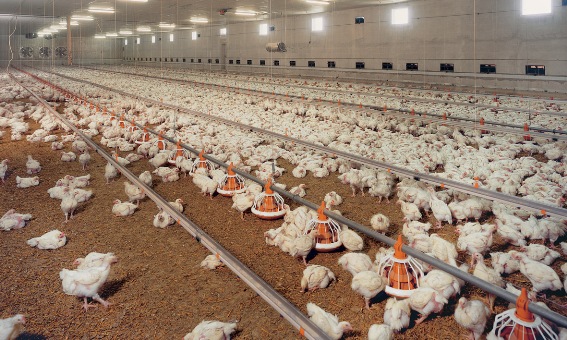
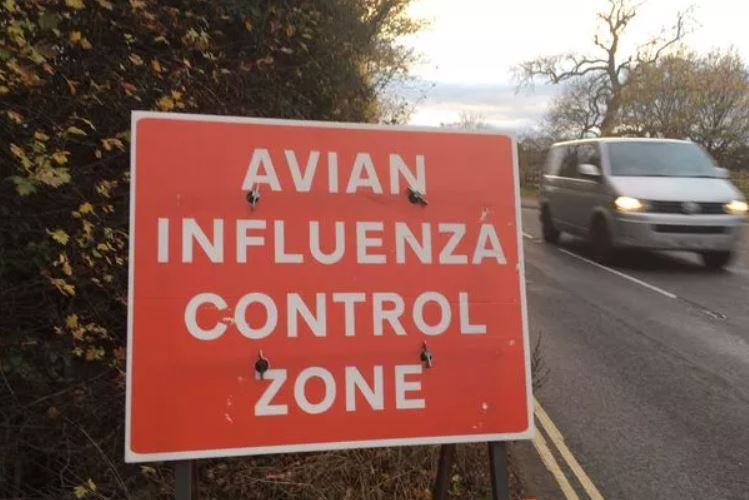
A new and alarming wave of H5N1 avian influenza has thrown the poultry sector worldwide into turmoil during the opening days of October. In early October 2025, resurgence of the virus has been confirmed on commercial farms in the United States, the Netherlands, Northern Ireland (GB), Spain and Denmark, forcing authorities to take the drastic measure of culling hundreds of thousands of birds to contain the disease.
Impact in the US Midwest
The agricultural heartland of the United States was the first to feel the impact. On 3 October, three states reported simultaneous outbreaks:
- In Iowa, a turkey farm in Calhoun County became the eighth outbreak of the year.
- In Minnesota, two broiler breeder operations in Becker and Otter Tail counties, with a combined flock of more than 36,000 birds, were also affected, indicating an acceleration in contagion since September.
- The most serious case to date was recorded in Wisconsin, where a farm in Jefferson County with more than 520,000 birds tested positive for the virus.

Europe Activates Emergency Protocols
On the other side of the Atlantic, the situation is equally tense. In the Netherlands, on 7 October an outbreak was confirmed on a farm in the north of the country, resulting in the culling of 71,000 chickens and breaking a disease-free period that had lasted since March. Although a nationwide housing order has not yet been issued, an expert committee will imminently assess the risk.
Meanwhile, Denmark is facing its own challenge at a laying hen operation near Fredericia. Following the detection of increased mortality, the State Serum Institute confirmed H5N1, ordering the urgent culling of 150,000 laying hens from 8 October to prevent further spread. This outbreak is the first since restrictions were lifted in April of this year.
To this must be added the AI case of 3 October in Northern Ireland, the tenth Avian Influenza case on poultry farms in Spain confirmed on 6 October, which has required the culling of more than 800,000 laying hens, and cases on other continents such as Iran.
As we detailed just a few days ago in the article “Avian Influenza cases are rising, but the immediate application of containment measures has prevented farm-to-farm transmission“, between 7 June and 5 September 2025, 183 detections of highly pathogenic avian influenza (HPAI) A(H5) virus were reported, 156 of them in wild birds and 27 in domestic poultry, across 15 European countries. More than 75% of detections in wild birds were associated with seabirds breeding in colonies, particularly European herring gulls, while the number of detections in waterbirds declined compared with previous months.
All of these simultaneous events are heightening concern across the global poultry sector, which remains on maximum alert in the face of the possible further spread of the virus.
For further information:
-. Avian Influenza on NeXusAvicultura.com