
First suspected case of avian influenza this autumn detected on a commercial farm in the United Kingdom: expectations of a winter season anticipated to be the worst since 2022.
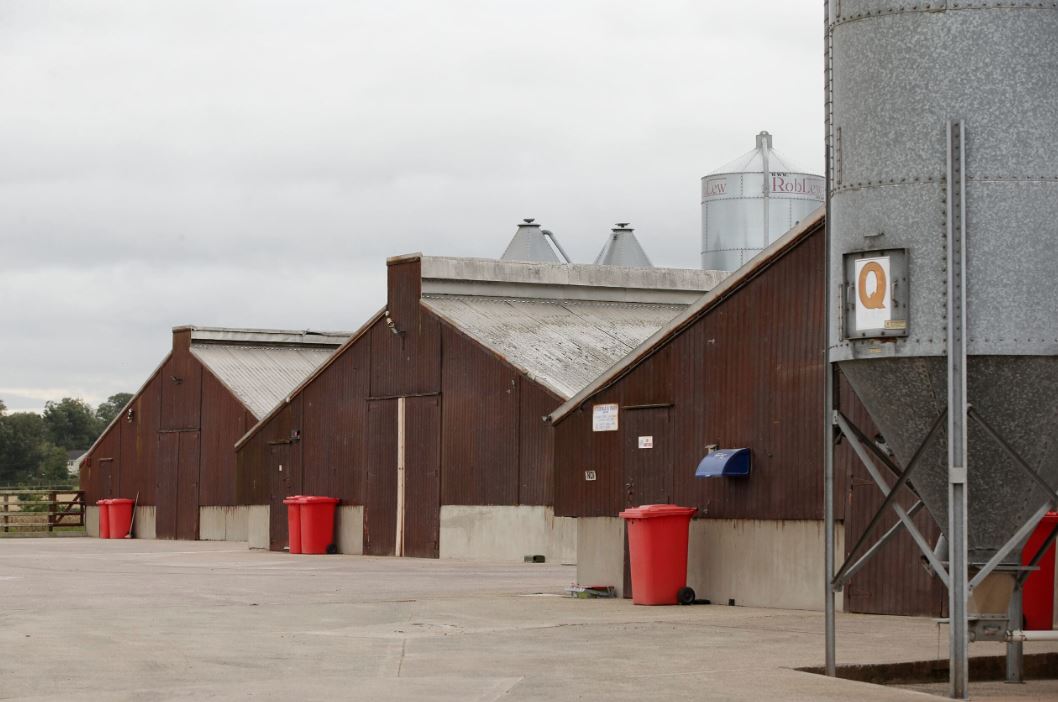
Northern Ireland has recorded the first suspected case of avian influenza (AI) of the winter season on a commercial poultry holding in the United Kingdom. The suspected outbreak was reported on 3 October 2025 near Omagh, in County Tyrone, just three days after the official start of the new disease surveillance period.
Initial results suggest the presence of notifiable highly pathogenic avian influenza (HPAI). As an immediate precautionary measure, temporary control zones have been established around the affected holding.
Outbreak details and context
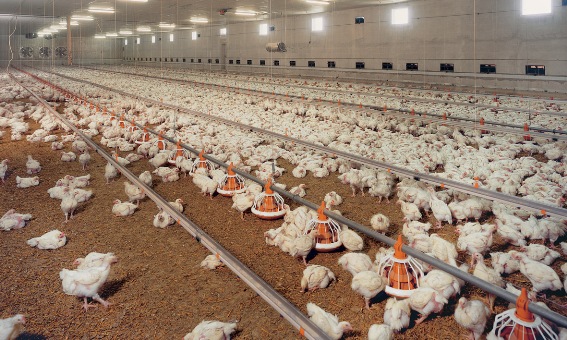
The suspected outbreak arose following an increase in mortality on the holding, which prompted sampling. All birds on the premises, approximately 20,000, will be culled. This is the first suspected case on commercial premises since February.
The incident underlines a growing concern across Europe. At the end of September 2025, an AI case was detected in Wetheral (Cumbria, England), and simultaneously, the Netherlands reported its first outbreak since March, which will require the culling of around 70,000 birds on a Dutch farm.
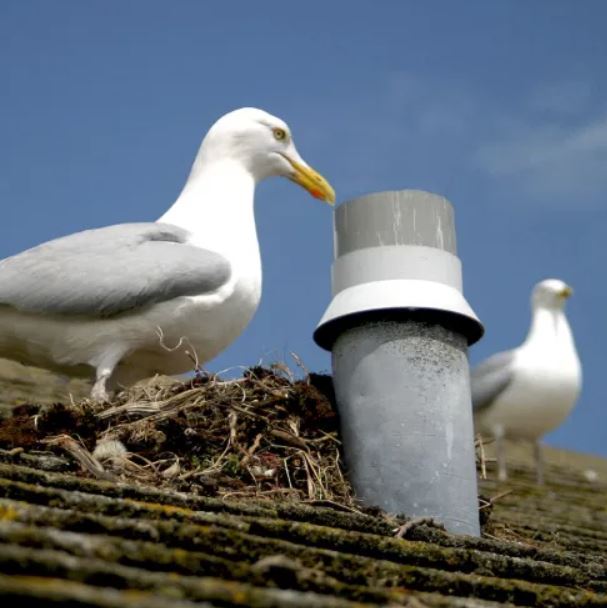
GPS-tagged gull monitoring of birds ringed in the Netherlands has shown that these birds cross from IRELAND to eastern England almost daily in search of food, covering up to 300 km in total and around 30 km per day. Gulls are considered a carrier species and a potential “bridge” for disease transmission.
Urgent call to review and strengthen biosecurity
Following the news, the Ulster Farmers’ Union (UFU) urged producers to immediately strengthen their biosecurity measures. Glenn Cuddy, UFU Deputy President, described the news as a “stark reminder of how quickly avian influenza can enter and spread“. He stressed that it is essential for poultry farmers to urgently reinforce biosecurity, be aware of the symptoms and remain vigilant.
Experts warn that, due to the continued detection of cases in wild and commercial birds throughout the summer, this could be the worst avian influenza season since 2022.
Expert perspectives: prediction and spread
Julian Sparrey, Technical Director of the Live Tech Group, a company that has monitored more than 300 avian influenza outbreaks in the United Kingdom over the past eight years, noted that while the operational response to outbreaks has improved significantly in recent years (now being managed much more swiftly), the outlook for the season is concerning.
Despite the high summer temperatures (even above 30°C), which would normally be expected to kill the virus in the environment, it is suspected that the virus has persisted within a reservoir in wild bird species.
Having observed an upward trajectory, experts predict that this winter will be “fairly heavy” for AI, although it will likely follow a two-thirds trajectory relative to the 2022–2023 season, which recorded nearly 100 cases in October.
A key factor is bird migration: while the current situation involves dealing with a virus that has been present in the UK resident population, the migration of birds from the east seeking warmer climates typically begins towards late October, and the convergence of these incoming populations with resident ones could cause variations in the virus.
The key to transmission: wild birds as disease vectors
One of the most important points discussed in the video is the spread mechanism, which includes carrier species such as gulls.
Live Tech has been monitoring GPS-tagged gulls that were ringed in the Netherlands. It has been observed that these birds cross to eastern England almost daily in search of food, covering up to 300 km in total and around 30 km per day. Gulls are considered a carrier species and a potential “bridge” for disease transmission.
the question is not so much whether the virus is “carried” on the wind, but rather that migratory birds follow wind currents.
It has been found that birds travelling long distances are, to a large extent, following wind direction. This creates viral pressure in certain locations, so while it may appear that the virus is being blown hundreds of kilometres by the wind, it is more likely that birds are transporting it as they move with the wind.

Preventive measures on farms
To increase resilience and prevent disease, the emphasis is on going beyond operational biosecurity and focusing on infrastructure. Crucial aspects include:
- Shed maintenance: Repairing roofs and guttering.
- Curtilage control: Managing drainage and avoiding muddy puddles, as water ingress is a key factor in the introduction of pathogens.
- Wild bird exclusion and rodent control: Pest control must be intensified in September and October, coinciding with harvest and the dispersal of fomites.
Julian Sparrey advises that if new construction or renovation is planned, enhanced biosecurity should be integrated into the initial design, taking into account traffic and personnel flow to minimise the need for entry into the biosecure area.

For further information:
-. Avian Influenza on NeXusAvicultura