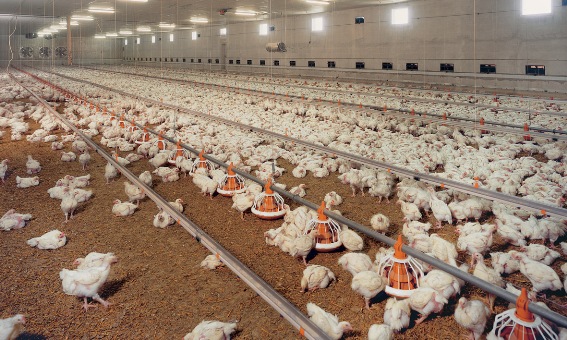

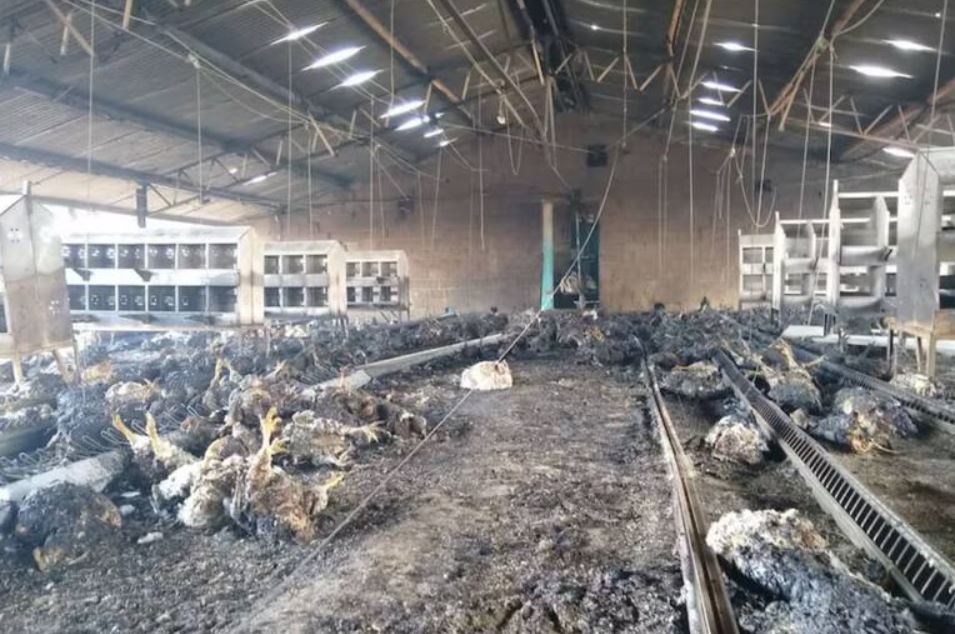
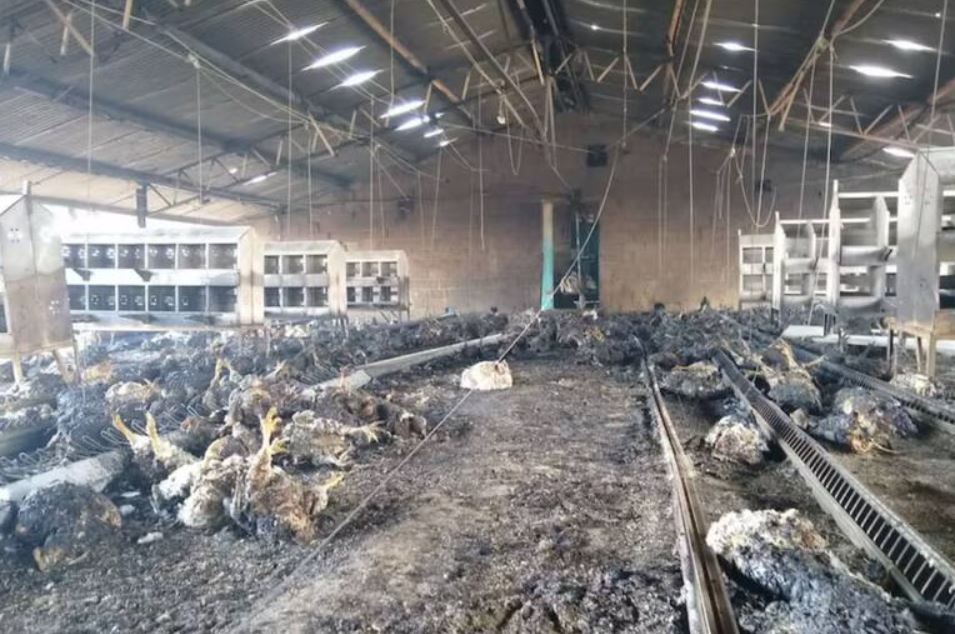
It happened to the company Globoaves, located in Villa del Carmen, San Luis, ARGENTINA, where 11 poultry houses burned down, with a total structural replacement cost of approximately US$5,000,000. In total, 11 houses were destroyed by fire, but 10 of them have already been rebuilt
In October 2020, during the strict lockdown, a fire destroyed eleven poultry houses belonging to a company in the town of Villa del Carmen, in San Luis, where approximately 60,000 hens and chickens perished. Daniel Cañizares, president of the affected company, Globoaves, estimated losses at the time in excess of US$1.2 million. However, the reinvestment in infrastructure amounted to approximately US$5,000,000, in addition to the restocking of birds at a cost of US$400,000. The fire, apparently arson, spread from Córdoba into San Luis, driven by winds of 120 km/h. The flames devastated the farm, which had undergone creditor protection proceedings just two years earlier. Today, the company projects production of 90 million fertile eggs.

The investment per house for refurbishment amounts to approximately US$500,000, while the investment in restocking birds came to around US$400,000. Although no formal investigation was conducted, the fire is believed to have been deliberately set. It started behind the sierras of Córdoba, and winds recorded at over 120 km/h carried it into San Luis. The fire inside the poultry house was triggered when a burning palm tree fell onto the curtain sidewalls of the house. “All the birds caught fire,” he recounted.
In 2018, the company had entered creditor protection proceedings as a result of that year’s currency devaluation. “It was a tremendous loss and it cost us enormously to recover. That is why, even now, four years on, we still have one house out of the 11 that burned down left to restore; we have it scheduled for completion in the second half of this year. We have already purchased much of the equipment that goes inside. We just need to get on with the construction work and get it done. With that, we will recover the full production capacity we had prior to the fire. We had nearly 800,000 birds between males and females. Today we have around 700,000 — 95% of what we had. That is no small feat given everything we have been through,” he noted. The company lost 30% of its total production.
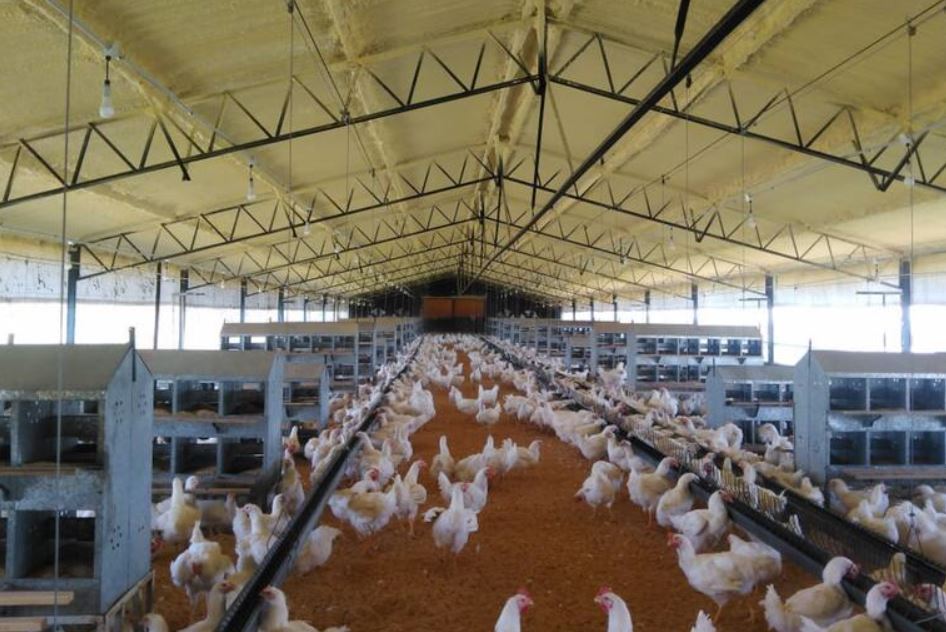
Before entering creditor protection, the company was purchasing a flock of 60,000 laying hens per month; when the proceedings began, that pace slowed. Gradually, they recovered their production levels: in July they purchased the last flock placement, and by March production is expected to reach 12 flock batches. This will allow them to fully restore their bird numbers, with an exportable stock. “We have managed to recover our production levels and reliability. Today we are in very high demand in the domestic market, both for eggs and for day-old chicks. The level of commitment in the market is significant,” he stated.
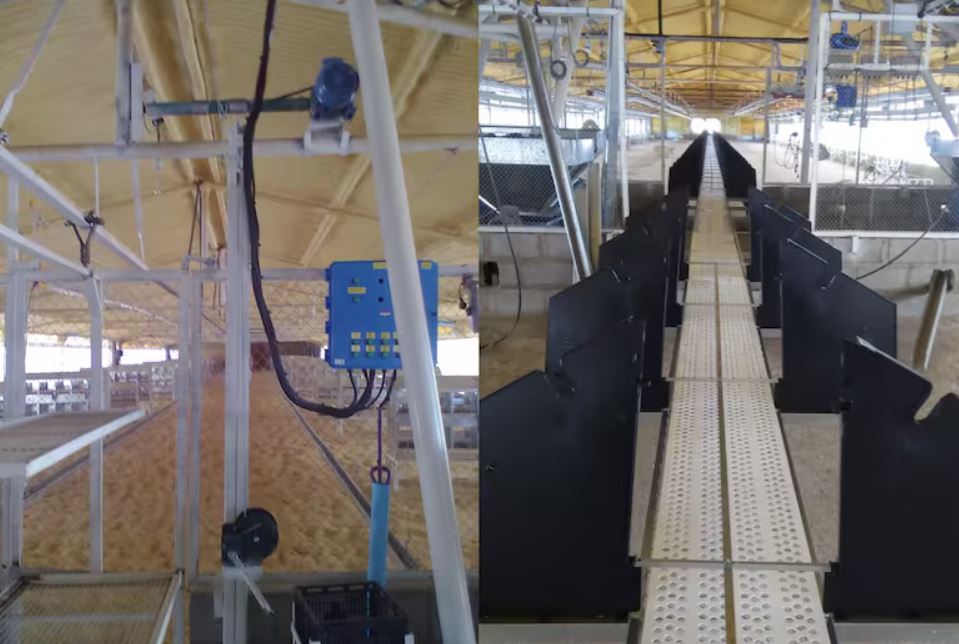
The company dedicates 50% of its output to fertile egg production, while the remaining percentage is sold as day-old chicks. Fertile eggs are exported to international markets including Mexico, Venezuela, Paraguay, Peru, and Bolivia, which is currently being opened up. The business owner noted that despite the pandemic, the market had not been unfavourable. “That allowed us to recover fairly quickly. Today we are in a far better position than we were the day before we entered creditor protection. We managed to recover across the board — the domestic market, we started exporting, and today we are internationally recognised for the quality of our fertile eggs,” he stated. According to data from the Centro de Procesadoras de Empresas Avícolas (CEPA), per capita chicken consumption stood at 47 kilograms in 2024.
The country’s economic situation and the cost of imported inputs also played a crucial role. “We were selling virtually everything on the domestic market, yet 65% of our cost components are dollar-denominated. Our costs increased, and while we were able to adapt, at the time, with AFIP (now ARCA), if you missed a single social security contribution payment for your employees, they would freeze your bank account,” he explained. He added that they attempted to resolve the issue with the former AFIP by submitting a payment plan, but their request was not considered. This situation led them to enter creditor protection in 2018 — compounded, in turn, by the fire that destroyed 11 poultry houses.
“We had no access to credit, and everything was done through sheer determination. The people who work with us put the company on their shoulders and said that if we couldn’t save ourselves, no one would. Every day we did a little more; we did it together. Suppliers and customers lent us a hand by extending payment terms. That allowed us to build up cash flow and move forward,” he said. The market has made the company’s recovery possible.
Source:
-. Newspaper LA NACIÓN