
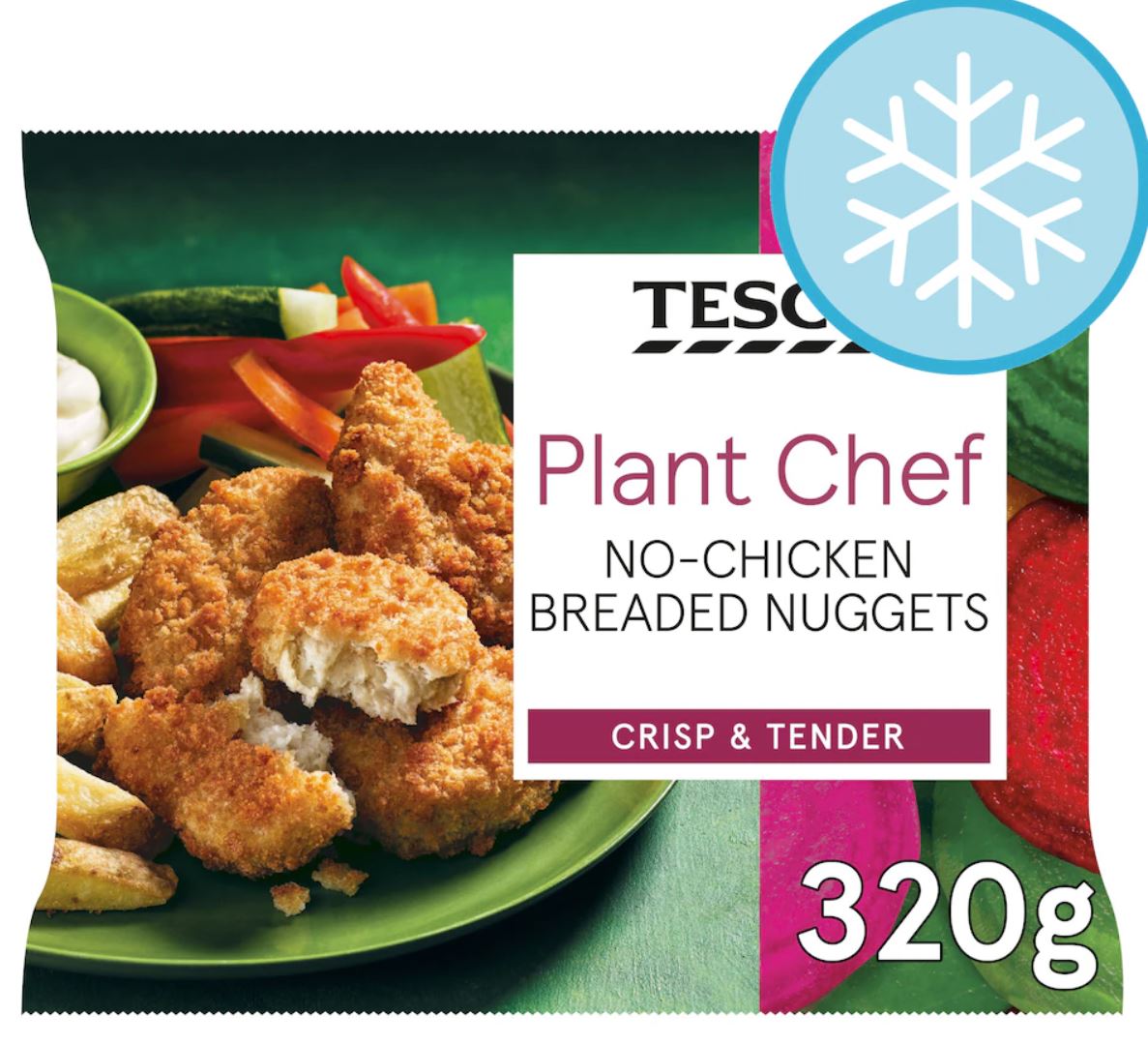
London, United Kingdom – The poultry sector, like other areas of traditional meat production, has closely monitored the growth of the plant-based meat alternatives market. However, recent reports from the United Kingdom suggest that the pace of this transition may not be as rapid or as linear as some had forecast. Tesco, the country’s largest retailer, has admitted it is “highly unlikely” to meet its target of increasing sales of plant-based meat by 300% by the end of 2025.
As indicated in their recently published TESCO Annual Report 2025, this target, set in 2020 with a 2018 baseline, sought a massive expansion of the market for vegan products designed to mimic meat. Although initial sales showed significant growth, with increases of 96% and 130% in 2020/21 and 2021/22, respectively, compared with the 2018 baseline. This momentum has slowed dramatically.
In 2023/24, sales rose by 109%, and in the most recent year (2024/25), meat alternative sales at Tesco were only 94% above 2018 levels — a considerable decline from the peak of 130% and far short of the 300% target. A fall from 119% in 2022/23, to 109% in 2023/24, and 94% in 2024/25.
Tesco, the UK’s largest retailer, has admitted it is “highly unlikely” to meet its target of increasing sales of plant-based meat by 300% by the end of 2025….
This slowdown at Tesco is not an isolated occurrence. It reflects a broader trend in the British market, where the average value and volume of weekly sales of these products fell by 7% in the first half of 2024, following a decline of 6% in sales and 13% in volume in 2023. Furthermore, the proportion of Tesco’s total protein sales accounted for by plant-based alternatives has decreased from 12% in 2020/21 to 9% in 2024/25, while the proportion of meat and eggs increased by four percentage points over this period.

A shift towards whole foods and “veg-led” dishes
The main reason for this shift, according to Tesco, lies in the evolution of consumer preferences. Rather than relying on processed meat alternatives, many customers interested in plant-based eating are gravitating towards “veg-led” dishes, where vegetables take centre stage, as well as whole foods such as lentils, chickpeas, beans, nuts, seeds and tofu. Tesco has observed this growing demand for “protein diversity”, including these whole plant foods.
According to IRI/Circana data, vegetable-based dishes now account for 40% of all plant-based product sales at Tesco. The retailer sold almost 600,000 more vegetable-centred dishes over 41 weeks last year compared with the same period the previous year. Tesco has responded to this trend by expanding its range of whole food-based plant products. For instance, it has introduced the “Root & Soul” ready meal range, which prioritises vegetables rather than mimicking meat. It has also begun marketing new plant protein ingredients made from whole foods, such as Veg’chop by Oh So Wholesome, which seek to replace meat rather than imitate it. Tesco has been at the forefront of developing the cultivated meat category in the United Kingdom.

Health and processing: key factors
This shift in consumer focus is being driven by growing attention to gut health and concerns surrounding ultra-processed foods (UPFs). Many meat alternatives are frequently identified as UPFs, and consumers are showing a greater preference for foods that are “more plant-filled, healthy and minimally processed with clean ingredient lists”. Tesco, as part of its healthy eating strategy (which aims for 65% of its sales to come from healthier products by 2025), is aligning its offering with these demands. Concerns about processing and simple ingredients appear to be a significant factor.

Implications for the poultry sector
For the poultry sector, this trend suggests that, while interest in reducing meat consumption or incorporating more plant-based options persists among a portion of the population, the explosive growth of direct meat substitutes — often highly processed — appears to have moderated. Demand is increasingly channelling towards simpler, more recognisable plant-based options perceived as healthier, such as whole foods and vegetable-based dishes.
Ken Murphy, CEO of Tesco, has noted that future progress in reducing emissions from the value chain and product use (Scope 3 Emissions, which account for 98% of its carbon footprint) will require greater collaboration “with livestock farmers, growers and suppliers, industry and government”. This underscores that, despite shifts in consumer trends, the role of traditional agriculture, including poultry production, remains fundamental within the food supply chain and in large-scale sustainability efforts.
the reality is stubborn and the massive expansion of the market for vegan products designed to mimic meat that Tesco was seeking has not materialised.
Although the plant protein market continues to evolve, the expectation of a massive and rapid substitution of traditional meat by highly processed “artificial meat” alternatives appears to be fading, with meat and egg consumption being maintained and even increasing, as consumers and retailers pivot towards plant-based options closer to whole foods and vegetable-based dishes.
For further reading:
-. Tesco PLC Sustainability Report 2024/25 (published May 2025)
-. Cultivated meat: investments in 2023 fell to a quarter of those made in 2022
-. Cultivated meat on NexusAvicultura.com