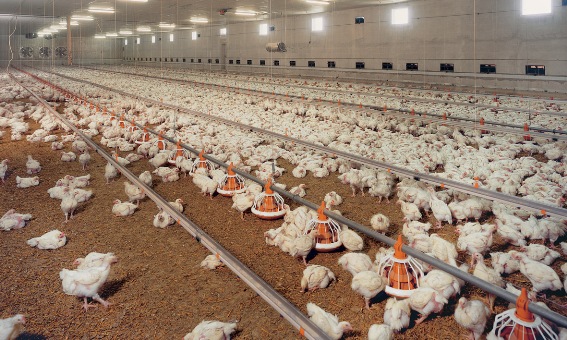

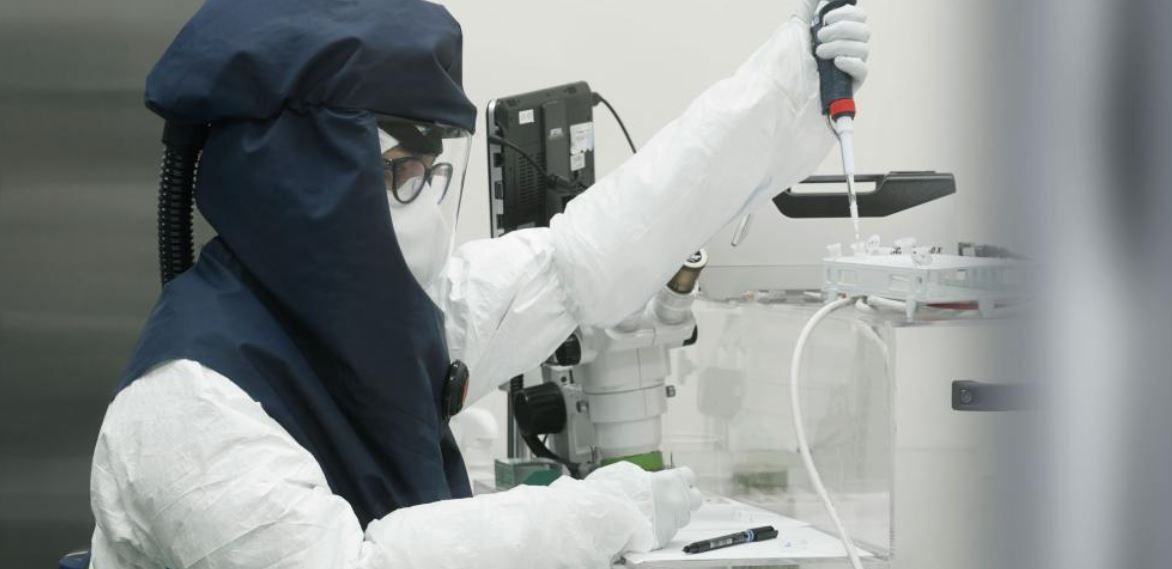
The expansion of CReSA reinforces the surveillance system for zoonotic viruses and emerging diseases that directly or indirectly affect animal production. The new laboratory, operational in 2028, will include insectaries and capacity to study respiratory and vector-borne viruses with implications for poultry health.
Animal health and research into avian, animal and human health in Spain will take a strategic step forward with the expansion of the Centre de Recerca en Sanitat Animal (CReSA), located on the campus of the Universitat Autònoma de Barcelona (UAB). This new facility — covering 3,000 square metres and operating at biosafety level 3 — will enable work with emerging respiratory pathogens with pandemic potential, such as influenza or coronavirus, as well as with mosquito-borne viruses such as West Nile fever, dengue and chikungunya.
The objective is to strengthen the scientific and diagnostic capacity of Spain’s human and animal health system, consolidating CReSA, a centre under the IRTA, as a national reference for high-risk infectious animal diseases. The expansion will enable a more effective response to future health crises, particularly those linked to the livestock and agricultural sector.
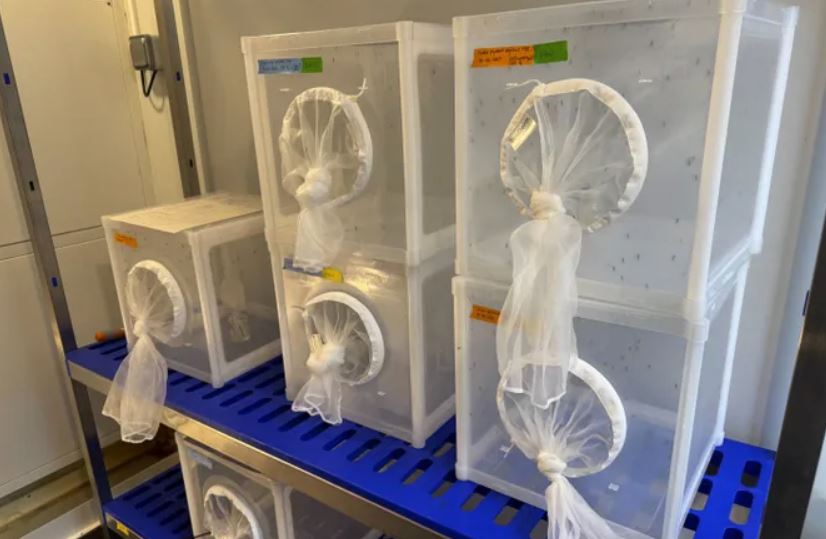
One of the most innovative elements of the project will be the incorporation of an insectary equipped to work with infected mosquitoes, a key feature given the expansion of vector-borne diseases in the Mediterranean region.
Construction will begin this summer and the new centre is expected to become operational in 2028. The investment will be supported by the Departament de Recerca i Universitats of the Generalitat, the Ministry of Science, Innovation and Universities, and entities including IRTA, Fundació “la Caixa”, the CaixaResearch Institute, ISGlobal, the BSC, IrsiCaixa and the VHIR.

For the poultry sector, the expansion represents an opportunity to advance surveillance, characterisation and control of zoonotic and emerging viruses, with direct applications in farm biosecurity, vaccination programmes and contingency plans.
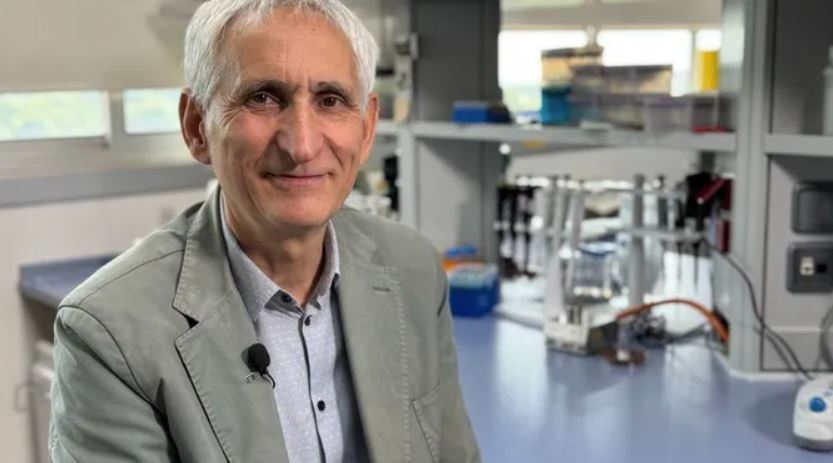
“During COVID, we experienced enormous demand for facilities and technical expertise that exceeded our capacity. This expansion will enable us to respond more effectively to future threats,” explained Natalia Majó, director of IRTA-CReSA and head of the animal health and avian virus programme.
The facility will not only serve CReSA’s own researchers, but the entire scientific community of Catalonia. It will thus become “the biosafety hub of Catalonia,” as stated by researcher Natalia Majó, director of IRTA-CReSA, when presenting the project on 26 June 2025 at an event chaired by the Minister for Research and Universities, Gemma Geis, and the Director General of the Institut de Recerca i Tecnologia Agroalimentàries (IRTA), to which CReSA is attached.
CReSA has operated a biosafety level 3 laboratory since it began its activities at the start of the century, meaning it meets the safety requirements for research involving airborne viruses capable of causing serious disease.
It is the leading laboratory of this type in Catalonia and one of the two main facilities of this kind in Spain, alongside the Centro de Investigación en Sanidad Animal (CISA) in Valdeolmos (Madrid).
Spain does not yet have any biosafety level 4 laboratory — the highest biosafety level — which is required, for example, to work with viruses that cause haemorrhagic fevers such as Ebola.
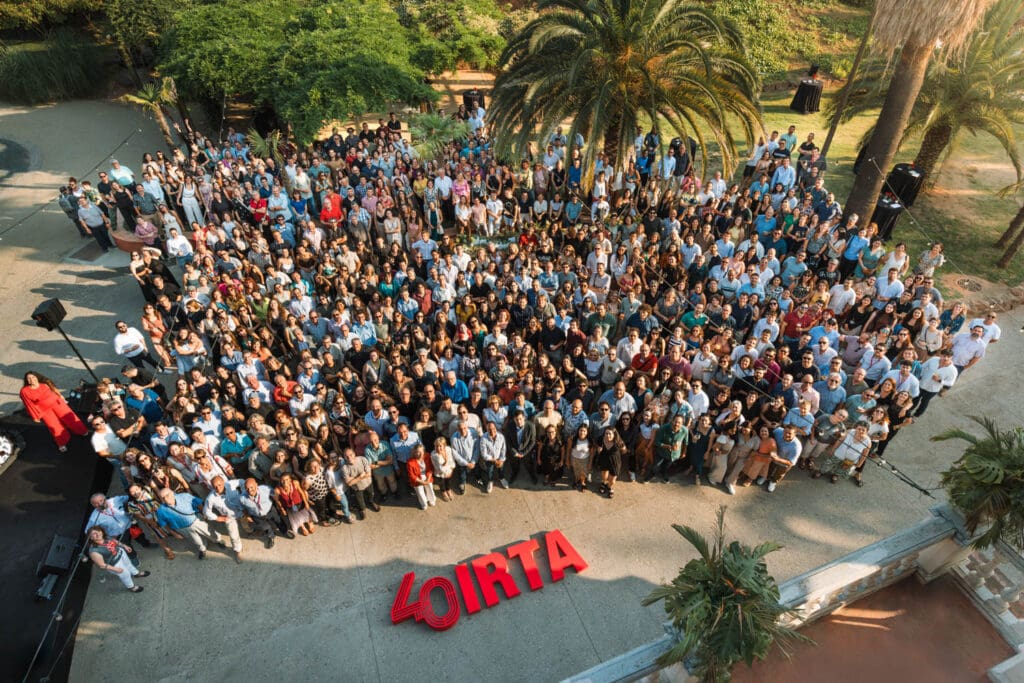
The construction of the new 3,000-square-metre facility was announced on 26 June 2025 at the ceremony marking IRTA’s 40th anniversary, held at the Palau de Música and attended by the President of the Generalitat de Catalunya, Salvador Illa. With a projected budget of between 22 and 25 million euros, this represents the largest investment announced for the coming years by IRTA, a public entity attached to the Department of Agriculture, Livestock and Fisheries of the Catalan Government, which encompasses eighteen research centres.
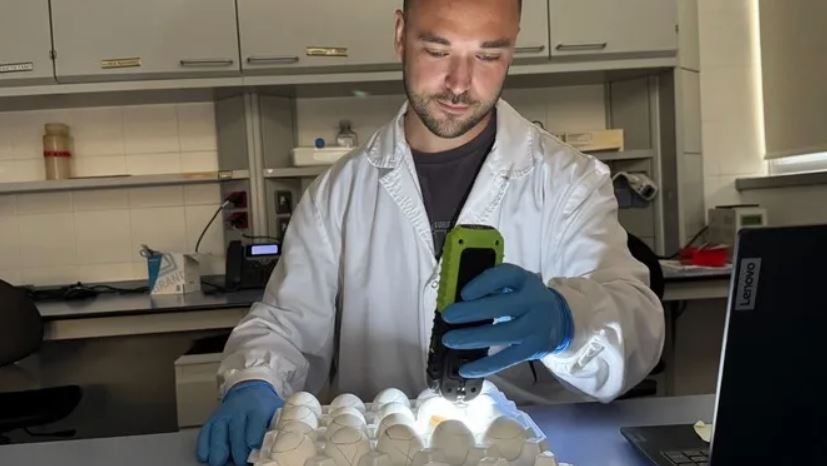
Construction of the new building will begin this summer and is expected to be completed, if projections are met, in 2028. The 3,000 m² centre will be built adjacent to CReSA’s existing facilities on the campus of the Universitat Autònoma de Barcelona, next to the Faculty of Veterinary Medicine.

This entire ecosystem will reinforce the existing scientific hub located in Bellaterra — a “hub” of high-level facilities and human resources that is key to addressing the challenges of animal health in a One Health context, where animal, human and environmental health are increasingly interconnected.

Reducing animal experimentation
One of the challenges in research is reducing the use of experimental animals. In this regard, IRTA-CReSA is developing an organoid biobank, comprising mini-organs created in the laboratory from stem cells obtained from animal samples. These miniature replicas of animal organs are used to test drugs or to study how a microorganism infects an organ.
“It is a highly strategic project. No other bank of this kind exists in Europe, either in terms of the large number of organoids or the great diversity of species we already hold,” explains Majó, who states that they already have organoids from both domestic and wild animals, ranging from elephants and zebras to pigs and chickens.
For further information:
-. CReSA