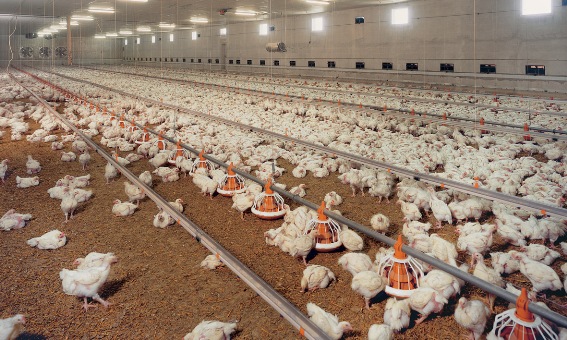

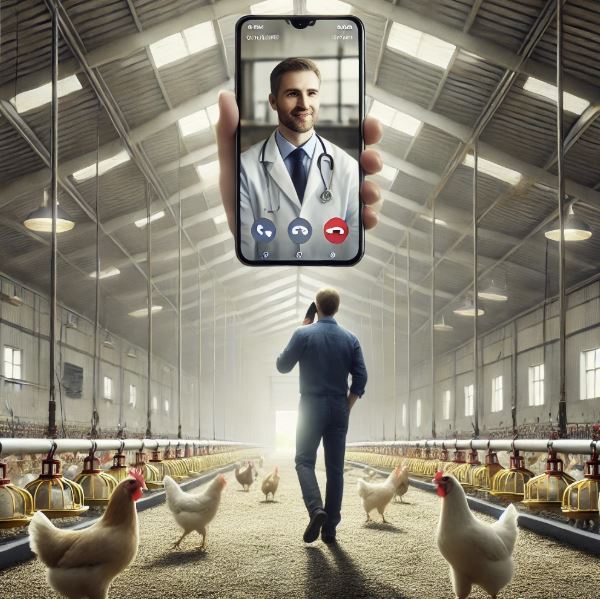
To facilitate the work of both poultry farmers in the United Kingdom and inspectors, visits to laying hen or broiler farms to assess the health status of the birds and verify that all animal welfare conditions to which the farm has committed under RSPCA Assured (the UK’s leading quality and welfare certification body) are being properly maintained.
This does not apply to a farm’s first visit, nor to cases where inspectors consider an in-person visit to be essential, or to poultry farmers who have received a sanction within the previous two years.
During the virtual visit, an RSPCA Assured assessor will focus on the health and welfare of the birds and the session should last around 45 minutes; however, the RSPCA recommends allowing up to one hour in case questions arise or topics require further discussion. The video conference will be conducted via WhatsApp (or an alternative video call application) and the farmer must be able to move around to show the assessor the different areas of their facilities. If a stable Wi-Fi or mobile network connection is not available, the farmer may instead provide short pre-recorded videos.
RSPCA Assured is a highly prestigious certification scheme in the United Kingdom that guarantees animals are raised to high welfare standards. Through regular inspections and strict requirements, it seeks to promote more ethical and transparent farming methods. For producers, veterinarians and consumers alike, this initiative offers multiple advantages: from a guide to best practices to the reassurance of having access to reliable and humanely produced products.
The RSPCA (Royal Society for the Prevention of Cruelty to Animals) is a leading charitable organisation in the United Kingdom dedicated to the protection and welfare of animals. Within this organisation, there is a specific programme called RSPCA Assured, which operates as a welfare assurance label or scheme for animal-derived products.
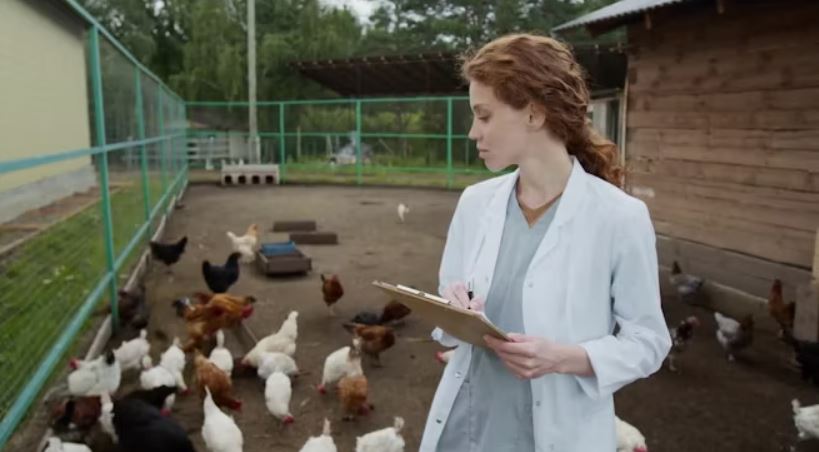
1. What is RSPCA Assured?
- Quality label: RSPCA Assured is the certification label indicating that a product comes from farms and producers that comply with the strict animal welfare standards established by the RSPCA.
- Variety of species: The programme applies to different livestock categories, including poultry (broilers, turkeys, laying hens), pigs, cattle, sheep and also the aquaculture sector (e.g. farmed fish).
2. Main objectives
- Improving animal welfare: The central aim is to ensure that animals are raised under conditions that respect their health and welfare, in accordance with RSPCA regulations and ethical guidelines.
- Ensuring traceability: Products bearing the RSPCA Assured label have been produced under rigorous controls, providing confidence to consumers and distributors alike.
- Promoting transparency: Consumers are encouraged to learn the story behind each product, with clear information provided on the rearing and animal care conditions.
3. How are welfare standards established?
The RSPCA’s welfare standards are based on scientific research and the accumulated expertise of veterinary and livestock production specialists. These standards cover aspects such as:
- Adequate space: Minimum floor space and stocking density requirements per bird or animal.
- Environmental enrichment: Features that allow animals to express natural behaviours (perches, straw bedding, pecking objects, etc.).
- Feed and nutrition: Balanced diets and access to clean water at all times.
- Disease control and veterinary management: Strict biosecurity protocols for the prevention of diseases such as Avian Influenza.
- Humane transport and slaughter: Standards to prevent excessive stress during transport and slaughter methods that minimise suffering.
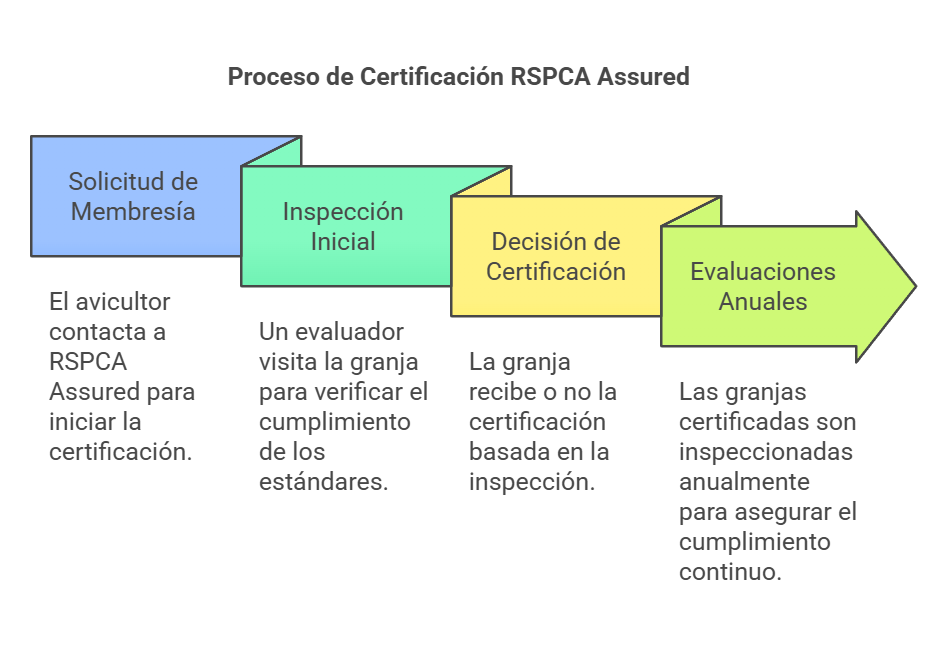
4. How does the certification process work?
- Membership application: A poultry farmer or producer wishing to become certified contacts RSPCA Assured and initiates the assessment process.
- Initial inspection: An official RSPCA Assured assessor visits the farm to verify compliance with the welfare standards.
- Certificate issued or denied:
- If the farm meets the requirements, certification is granted and the producer may use the RSPCA Assured label on their products.
- If it does not comply, areas for improvement are identified and the farm must make the necessary changes in order to obtain certification in the future.
- Annual assessments: Once certified, the farm is reviewed periodically (at least once a year) to confirm it continues to operate to the same standards. In high-risk situations (for example, during Avian Influenza outbreaks), alternative assessment methods (virtual or desk-based) may be put in place to safeguard biosecurity.
5. Who participates in RSPCA Assured?
- Producers and farmers: Poultry, pig, cattle, sheep and fish farmers who wish to commit to high welfare standards.
- Veterinarians and advisers: Professionals who provide technical advice and oversee animal health on farm.
- Consumers and retailers: Supermarkets, retailers and end consumers who rely on the RSPCA Assured label to identify products raised to high welfare standards.
6. Benefits of joining RSPCA Assured
- Brand recognition: Products bearing the RSPCA Assured label are highly regarded by consumers concerned about animal welfare.
- Greater competitiveness: In markets where demand for ethically produced goods is growing, this label sets apart producers committed to high standards of animal husbandry.
- Support and guidance: The RSPCA and its assessors provide advice on implementing improvements to facilities, biosecurity plans and management practices.
- Confidence and transparency: The label provides assurance to buyers and supply chains that ethical and responsible practices are being upheld.