

AI Update September–December 2024 (EFSA)
HPAI H5N1 and H5N5 Avian Influenza intensifies across Europe with multi-million-dollar impact on farms
Highly pathogenic avian influenza (HPAI) has undergone a marked resurgence and concerning evolution in Europe and globally between 21 September and 6 December 2024. The EFSA report covering the final months of 2024, Avian influenza overview September–December 2024 (64 pages), reveals an intensification of A(H5N1) and A(H5N5) virus detections, with serious consequences for poultry production and new alarms regarding interaction with mammals and, although rarely, with humans.
Current situation in Europe: a growing threat
During the reference period, 657 HPAI virus detections were confirmed in 27 European countries, affecting 341 poultry holdings and 316 wild bird populations. This increase in cases occurred earlier than expected compared to previous years, beginning as early as September, unlike October in 2023.
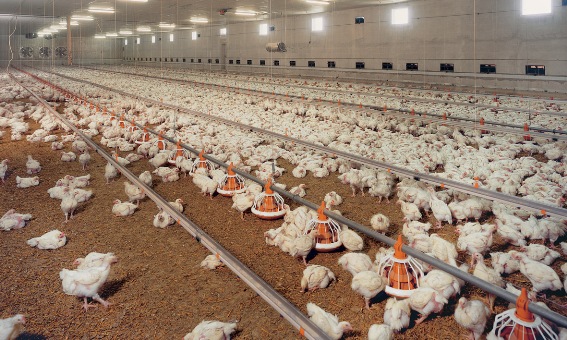
- Impact on poultry: The situation is particularly critical in poultry holdings, with 274 outbreaks reported in 17 countries. Hungary was the epicentre, accounting for more than 65% of poultry outbreaks (186 of 274). The economic cost is devastating: more than 13 million birds died or were culled in affected holdings. Secondary farm-to-farm spread was a dominant feature, particularly in Hungary, reflecting extensive dissemination in areas of high poultry density.
- The most affected species were domestic ducks (44% of outbreaks) and domestic geese (12%). For 43% of primary outbreaks, the most likely source of introduction was indirect contact with wild birds.
- One aspect to note is the detection of outbreaks in vaccinated duck establishments in France, where the disease manifested with mild or even absent clinical signs, underscoring the difficulty of early detection through passive surveillance.
- Wild birds: The primary vector: Waterfowl, in particular the mute swan, were the most affected during this period, with a cluster of HPAI detections in south-eastern Europe. This geographical overlap between detections in wild and domestic birds reinforces the hypothesis that primary introductions into flocks are due to direct or indirect exposure to wild birds.
- The emergence of H5N5: A(H5N5) viruses have expanded their geographical and host range. Significant detections and mortality events have been reported in gulls and crows. Furthermore, this subtype was detected for the first time in poultry in Iceland and the United Kingdom, and in captive birds in Norway, indicating a new concern for the sector.

Beyond Europe: avian influenza in mammals and humans
Although no new HPAI virus detections in mammals in Europe have been reported since spring 2024, the global situation demands the utmost attention:
- HPAI in mammals:
- Dairy cattle in the USA: The number of dairy farms affected by HPAI A(H5N1) in the USA has risen to more than 800 in 16 states, with the majority of cases concentrated in California.
- First detection in swine: HPAI virus has been identified in two pigs on a mixed-species farm in Oregon, USA.
- Large felids: In Vietnam, 41 tigers, three lions and one leopard at a safari park and a zoo tested positive for HPAI A(H5N1), with ingestion of contaminated poultry meat considered the most likely source of infection.
- Mammalian adaptation: An increase in the frequency of detection of mutations in European avian viruses associated with viral adaptation in mammals has been observed. While the majority of A(H5N1) viruses in Europe retain a preference for binding to avian-type receptors, some mutations that increase in vitro binding to human-type receptors are present in most of them, and their biological impact is still under investigation.
- Impact on human health: 56 new human cases of avian influenza virus infection were reported worldwide. It is important to note that human infections by these viruses remain rare and no evidence of person-to-person transmission has been documented.
- The majority of human A(H5) cases in North America (95.6%, 43 of 45) had occupational exposure to poultry, live bird markets, or dairy cattle.
- The majority of human cases with A(H5) clade 2.3.4.4b viruses were asymptomatic or presented mild illness, including conjunctivitis or typical influenza-like symptoms. However, one case in Canada progressed to acute respiratory distress.
- The risk of infection for the general public in the European Union/European Economic Area (EU/EEA) remains low, and low to moderate for those with occupational or other exposure to infected animals or contaminated environments.
Key strategies for the poultry sector
In light of this situation, the poultry industry and veterinary professionals must strengthen preventive measures:
- Biosecurity, the first line of defence: Biosecurity remains a key factor in preventing the introduction of HPAI virus from wild birds and subsequent farm-to-farm spread. It is essential to avoid sharing farm equipment and personnel between flocks or, if unavoidable, to implement extremely strict biosecurity protocols.
- Active surveillance in vaccinated flocks: The detection of infections in vaccinated birds, which often present mild or absent symptoms, requires continuous active surveillance.
- Attention to small-scale holdings: Small-scale or backyard establishments, often with lower biosecurity standards and outdoor access, present a higher risk. Their surveillance is vital, given that several spillover events to humans have been linked to backyard poultry.
- Constant monitoring: It is essential to maintain close surveillance of the geographical expansion of HPAI A(H5N5) viruses and mutations that may increase their zoonotic potential.
- Reporting and collaboration: The timely generation and sharing of genomic data from avian influenza viruses is crucial for rapidly detecting the possible emergence of variants with greater zoonotic potential or antiviral resistance. National reference laboratories must be equipped for virological and serological diagnosis in mammals, including ruminants.
- Key recommendation: It is advised not to feed pets or other captive mammals meat or other animal products (such as raw milk) that may originate from animals potentially infected with HPAI virus.
The avian influenza situation demands continuous surveillance and the rigorous application of preventive measures at all levels, from farm to laboratory, to protect both animal and public health.
For further information:
-. EFSA Report: Avian influenza overview September–December 2024. Published 10 January 2025 (64 pages)
-. Update on Avian Influenza June–September 2024. News on NeXusAvicultura.com
-. EFSA Report: Avian influenza overview report June–September 2024. Published 2 October 2024 (66 pages)
-. Avian Influenza on NeXusAvicultura.com