
The advance of H5N1 towards humans
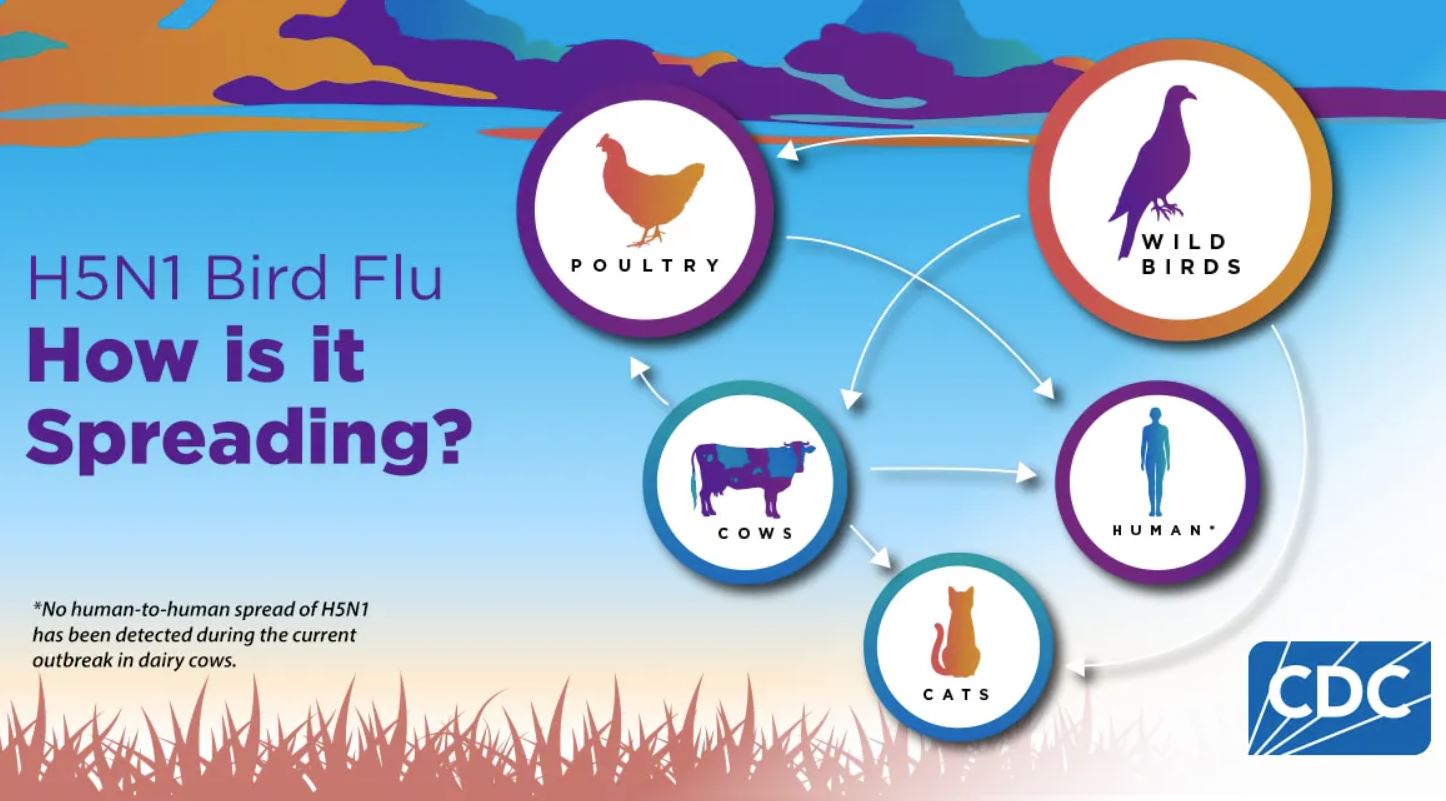
The growing infections among cattle and workers on dairy farms in the United States may indicate that the H5N1 virus is drawing ever closer to humans. Currently, there is virtually no region in the world free from highly pathogenic avian influenza H5N1, a virus capable of causing severe disease. In February 2024, Spanish scientists undertook an expedition to Antarctica convinced that this virus had managed to reach even the most remote places, and confirmed its presence in samples from dead skuas, demonstrating its capacity to circumvent any border.
The suspicion is that the H5N1 virus is responsible for the bird deaths recorded during the Antarctic summer and the recent mortality of more than 500 Adélie penguins, discovered by Federation University of Australia. Over the past two years, this virus, which is transmitted primarily through wild birds, has traversed the globe and left a devastating trail of death across numerous species, beyond the birds it initially infects.
Impact on animals and ecosystems
Among the affected animals are ferrets, foxes in Canada and France, polar and brown bears, pigs, mink, alpacas, sea lions in Peru and Chile, elephant seals in Argentina, seals in South Africa, and even domestic pets such as dogs and cats. Around 50 mammal species have been affected, and even wild birds, previously only carriers of the virus, are now dying from it.
Peru has lost more than 40% of its pelican population, and 220,000 bird deaths have been recorded in protected areas alone — a figure that could be even higher in areas without surveillance. The impact on ecosystems is dramatic and difficult to assess.
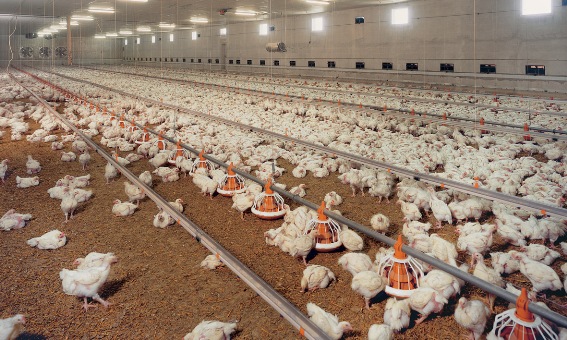
This virus has an enormous capacity to evolve and adapt to new species, which surprises even the researchers who study it. H5N1 has been affecting dairy farms in the United States for months, with nearly 70 outbreaks reported across more than 9 states by August 2024. The virus is found in high concentrations in milk and meat, and the deaths of cats that drank raw milk suggest an efficient transmission route to mammals. Furthermore, cases of infected workers presenting influenza-like symptoms have been recorded, which could indicate the first transmission of an avian virus from a mammal to a human. This situation raises growing concern, as it could signal the onset of a new public health emergency.
Risks to human health
Two workers have presented ocular symptoms, such as conjunctivitis, and one of them has developed respiratory symptoms similar to those of influenza, raising the alarm. Every new infection in a human being provides the virus with an opportunity to better adapt to our species. For this reason, it is essential to closely monitor each case in order to track the evolution of the virus. However, the working conditions of dairy farm workers — who often work long hours and in some cases without health insurance or the possibility of paid sick leave — may be hampering case detection, which carries a risk of silent transmission.
A virus can undergo significant changes in its genetic characteristics over a short period of time, whereas humans would take millions of years to evolve in a similar manner. Many of the human influenza viruses currently affecting the population originate from avian influenza viruses that mutated and adapted to infect humans. The influenza virus can spread globally within a few months, at a speed even greater than that of the SARS-CoV-2 virus responsible for COVID-19. Human influenza vaccines must be adapted every year to new variants that emerge, demonstrating the virus’s capacity for evolution.

Preparedness for future pandemics
In animals, H5N1 has already generated a “panzootic” — a pandemic affecting numerous species worldwide. This has direct consequences for human and environmental health. The concept of “One Health” reminds us that the health of humans, animals, and the environment is closely interconnected, meaning that the impact in any one of these areas inevitably affects the others.
Over the past 60 years, the number of new diseases has increased considerably, the majority caused by zoonotic viruses that jump between species. The World Health Organization (WHO) convened a meeting in 2015 to identify pathogens that could cause a pandemic, and that list included diseases for which no treatment or vaccines existed. Each update of the list includes new threats, among them “Disease X”, which refers to a condition caused by an unknown infectious agent. COVID-19 is an example of how a disease on that list can become a real threat.
At present, the question is not whether a new pandemic will occur, but when and where. The WHO, together with the FAO and the World Organisation for Animal Health (WOAH), calls on countries to prepare for a possible pandemic. As early as 2005, the WHO warned that this virus could trigger a pandemic and requested that countries update their response plans, consider school and office closures, and develop vaccines. However, when the COVID-19 pandemic arrived, it became clear that the warning had not been taken seriously.
H5N1 is no longer seasonal like human influenza and continues to spread constantly. Scientists are calling for urgent action to prevent potential future public health catastrophes. Although the risk to the general population is considered low, the possibility of the virus making the leap to humans remains latent.
To reduce this risk, biosecurity on farms must be enhanced to prevent contact between livestock and infected wild birds. This is particularly important in animals such as pigs and mink, which can act as a “viral mixing vessel“, given that they are susceptible to both types of influenza, facilitating the creation of a new virus capable of infecting humans.
An outbreak on a mink farm in Spain at the end of 2022 demonstrated that the virus had already developed changes enabling it to replicate in mammalian cells and potentially transmit between mink. This situation underscores the fact that the virus, originally avian, is succeeding in adapting to other species.

In addition to strengthening animal health surveillance, it is essential to monitor unusual respiratory infection cases in humans and detect potential changes in transmission patterns. To date, no human-to-human transmission of H5N1 has been detected, and all known cases are attributable to direct infections from animals. From 2003 to May 2024, approximately 900 human cases have been reported, with a case fatality rate of 52%. However, should the virus adapt and become a human pathogen, its behaviour could change drastically.
The WHO calls for close surveillance to detect changes in the virus and for greater collaboration among scientists worldwide, with the sharing of data and research. Communication to society must also be transparent, especially in affected countries, to prevent misinformation and promote food safety measures.
Funding is needed to prepare for future pandemics and to strengthen health systems, particularly in low-income countries. With low immunity to H5N1, the emergence of a new pandemic is only a matter of time, and preventive measures — such as responsible food production — will be key to avoiding a situation like that experienced with COVID-19. The One Health concept is once again crucial: the care of ecosystems and respect for the environment and animals are essential for the prevention of future pandemics.
The good news is that this trend can be reversed, and many of the measures that would combat climate change would also help prevent future pandemics. Maintaining healthy ecosystems is fundamental to protecting the health of all species, including our own.
For further information: H5 Bird Flu: Current Situation in USA by CDC