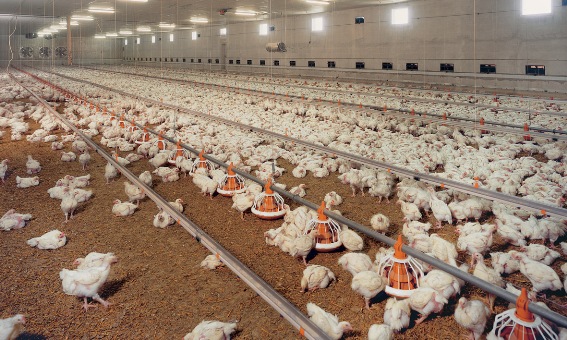


Alternative HVAC Systems for Reducing Energy Consumption and Emissions in Egg Production: Considerations and Recommendations for Poultry Farmers
Energy saving: an area with constant room for improvement
Egg production is one of the fastest-growing livestock sectors worldwide. With a global population that has reached 8 billion people and continues to rise, demand for food products — including eggs — is constantly growing. It is estimated that by 2050, poultry meat and egg production will increase 2.5-fold due to population growth and changes in dietary patterns.
This increase in production presents significant challenges, not only in terms of meeting demand but also in minimising the environmental impact associated with intensive production. One of the critical aspects in this context is energy consumption and greenhouse gas (GHG) emissions from poultry operations, particularly from Heating, Ventilation and Air Conditioning (HVAC) systems.
Although environmental control is not as critical in laying hen houses as it is in broiler houses, it is nonetheless important, and providing the best possible environment for our hens will lead to greater expression of their full laying potential.
Conventional HVAC systems used on poultry farms account for up to 50% of non-renewable energy consumption in egg production. The majority of this consumption is attributable to climate control within the facilities, which is essential for maintaining bird welfare and productivity. It is therefore imperative to explore alternatives that can reduce energy consumption and emissions without compromising operational efficiency.

The Challenge of Energy Consumption in Conventional HVAC Systems
The operation of HVAC systems on poultry farms is fundamental to ensuring optimal temperature, humidity and air quality conditions. However, these systems are highly dependent on non-renewable energy sources and contribute significantly to GHG emissions.
Furthermore, factors such as housing type (conventional cages or floor-based systems), bird stocking density and local climatic conditions influence the energy requirements of the facilities. For example, cage systems, with higher bird density, generate more internal heat and require more cooling, while floor systems may require more heating in cold climates due to lower internal heat generation.

Alternative HVAC Systems: Promising Technologies
Given this context, it is essential to identify and evaluate alternatives to conventional HVAC systems that are efficient, sustainable and economically viable. Among the most promising technologies are:
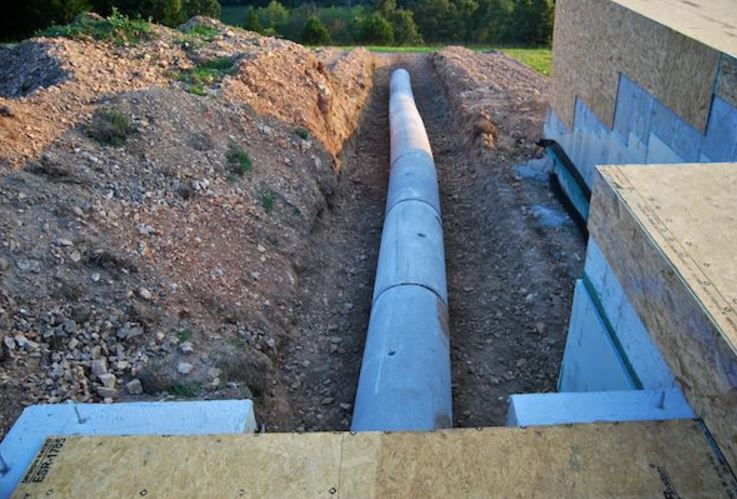
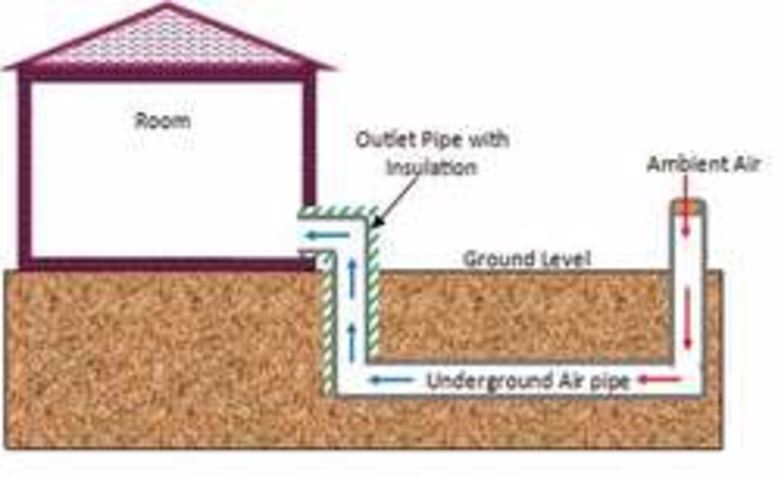
| 1) Ground Source Heat Pumps (GSHPs): Operation: GSHPs exploit the relatively constant temperature of the subsoil to transfer heat to or from poultry facilities. This is achieved through a system of buried pipes that circulate a heat-transfer fluid. Advantages: Greater energy efficiency compared to conventional systems and Air Source Heat Pumps (ASHPs). Reduced long-term operating costs. Significant potential to reduce GHG emissions. Considerations: Require a higher initial investment. Installation can be complex and depends on soil characteristics and available space. | 2) Earth-Air Heat Exchangers (EAHEs): Operation: EAHEs (Earth-Air Heat Exchangers) are passive systems that use buried pipes through which air circulates. This air is heated or cooled upon contact with the ground before entering the facilities. Advantages: They reduce the building’s thermal loads, decreasing the need for additional heating or cooling. Lower operating costs due to their passive nature. They contribute to improving the overall energy efficiency of the facilities. Considerations: Their effectiveness may vary depending on climate and soil properties. They are generally used as supplementary systems and not as the sole source of climate control. |
Energy Simulations: Assessing Thermal Requirements
To better understand how these alternative systems can meet the energy needs of poultry farms, dynamic energy simulations were carried out. These simulations estimated the thermal loads and annual energy requirements of poultry facilities across different temperate and continental climates, using several locations in Canada as reference points.
- Variables Considered:
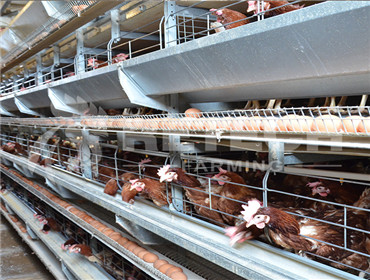
- Housing type: conventional cage systems and floor-based systems (free-run).
- Stocking density: 26,000 birds in cage systems and 4,095 birds in floor systems.
- Climatic conditions: four different regions representing a variety of temperate and continental climates.
- Facility characteristics: size, orientation, construction materials and thermal insulation in accordance with Canadian regulations.
- Simulation Results:
- Cage Systems:
- Greater cooling requirements due to high bird density and internally generated heat.
- Estimated cooling requirements of between 1,054 and 1,430 kWh/m² per year.
- Lower heating requirements, as the heat generated by the birds helps to maintain the internal temperature.
- Floor Systems:
- Lower cooling requirements, estimated at between 588 and 798 kWh/m² per year.
- Slightly higher heating requirements in cold climates due to lower internal heat generation.

These results highlight the importance of adapting HVAC systems to the specific characteristics of each housing type and climate in order to maximise energy efficiency and bird welfare.
Systematic Literature Review: Assessing the Viability of Alternative Systems
To make this research more comprehensive, the authors conducted an exhaustive systematic meta-review of 225 relevant studies, from which they concluded that:
| 1-. Capacity of Systems to Meet Energy Requirements: Studies were analysed that evaluated the effectiveness of GSHPs (Ground Source Heat Pumps), EAHEs (Earth-Air Heat Exchangers) and ASHPs (Air Source Heat Pumps) in contexts similar to poultry farms. GSHPs (Ground Source Heat Pumps) proved capable of fully meeting heating and cooling requirements, being more efficient than ASHPs. EAHEs (Earth-Air Heat Exchangers) proved effective at reducing thermal loads, particularly when used as supplementary systems. | 2-. Potential to Mitigate Environmental Impacts: GSHPs and EAHEs (Earth-Air Heat Exchangers) have the potential to significantly reduce GHG emissions compared to conventional HVAC systems. Studies indicate that GSHPs can reduce energy consumption and associated emissions to a greater degree than ASHPs (Air Source Heat Pumps). EAHEs (Earth-Air Heat Exchangers), being passive systems, contribute to reducing energy consumption without generating additional emissions during operation. | 3-. Affordability and Economic Viability: Although GSHPs require a higher initial investment, savings in operating costs can offset this expenditure in the long term. EAHEs (Earth-Air Heat Exchangers) present lower installation and operating costs, making them an economically viable option for many poultry producers. ASHPs (Air Source Heat Pumps), although initially more affordable than GSHPs, may not offer the same benefits in terms of energy efficiency and emissions reduction. |

Practical Recommendations for Poultry Farmers
Based on the findings of the study, the following recommendations are proposed:
- Implement EAHEs as Supplementary Systems:
- Application: Use EAHEs (Earth-Air Heat Exchangers) to reduce the thermal loads and energy requirements of the facilities.
- Benefits: Reduction in energy consumption and operating costs, without compromising the thermal comfort of the birds.
- Considerations: Ensure correct installation and maintenance to maximise effectiveness. They are particularly beneficial in temperate climates and for floor-based systems.
- Consider GSHPs as Primary Systems:
- Application: Implement GSHPs (Ground Source Heat Pumps) to meet heating and cooling requirements efficiently.
- Benefits: Significant long-term reduction in operating costs and GHG emissions.
- Considerations: Assess the return on investment and potential incentives or subsidies to offset the initial cost. They are particularly advantageous for cage systems with high thermal demands.
- Evaluate Economic and Technological Viability:
- Cost Analysis: Carry out a detailed analysis that considers the initial investment, operational savings and environmental benefits.
- Available Technology: Verify the availability and technological maturity of systems in the local market.
- Financial Support: Investigate financing programmes, subsidies or government incentives that may facilitate the adoption of these technologies.
- Plan a Gradual Implementation:
- Pilot Projects: Begin with small-scale projects to evaluate system performance and adaptability under real-world conditions.
- Staff Training: Ensure that the team is trained in the operation and maintenance of the new HVAC systems.
- Continuous Monitoring: Establish monitoring systems to assess performance and make adjustments as necessary.
Final Considerations
The transition towards more sustainable HVAC systems is essential to reduce the environmental impact of egg production and to meet the growing demands of an expanding world population. The adoption of technologies such as GSHPs and EAHEs (Earth-Air Heat Exchangers) not only has the potential to significantly reduce energy consumption and GHG emissions, but can also improve the operational efficiency and long-term profitability of poultry farms.
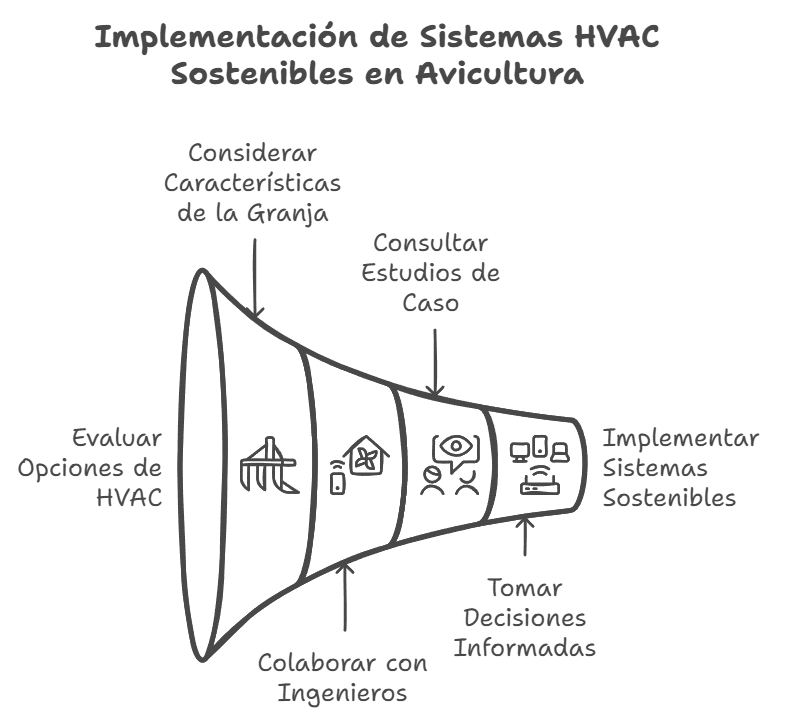
It is important for each poultry farmer to carefully evaluate the available options, considering factors such as housing type, local climate, soil characteristics and financial resources. Collaboration with specialist engineers and consultation of successful case studies can facilitate informed decision-making and the successful implementation of these technologies.
Next Steps for Poultry Farmers
- Personalised Energy Audit: Carry out an energy study of your facilities to identify specific savings and improvement opportunities.
- Professional Advice: Consult with HVAC and renewable energy experts to design solutions tailored to your needs.
- Seeking Financial Support: Investigate possible subsidies, incentives or financing available for the implementation of sustainable technologies.
- Education and Training: Invest in staff training to ensure effective operation and maintenance of the new systems.
- Monitoring and Evaluation: Implement monitoring systems to assess system performance and make continuous adjustments to optimise efficiency.
Conclusion: new approaches to heat exchangers are ready for adoption by the poultry sector
Sustainability in egg production is an achievable goal that requires a combination of innovative technologies, efficient operational practices and a commitment to continuous improvement. Alternative HVAC systems, such as GSHPs (Ground Source Heat Pumps) and EAHEs (Earth-Air Heat Exchangers), offer a promising pathway to achieving this goal, enabling poultry producers to meet growing market demands while contributing to environmental protection.
By adopting these technologies and approaches, we not only improve the profitability and efficiency of our farms, but also play an active role in demonstrating greater sustainability to our customers.

Glossary of Abbreviations Used in This Article
HVAC: Heating, Ventilation, and Air Conditioning
WSHPs: Water Source Heat Pumps
ASHPs: Air Source Heat Pumps
EAHEs : Earth-Air Heat Exchangers
GSAHPs: Ground Source Air Heat Pumps
GSHPs: Ground Source Heat Pumps
GHG: Greenhouse Gases
Note: it is important not to confuse Earth-Air Heat Exchangers with Air-Air Heat Exchangers, which are the most common type found in poultry houses.
Source: The full original article (35 pages) can be consulted here: “Alternative Heating, Ventilation, and Air Conditioning (HVAC) System Considerations for Reducing Energy Use and Emissions in Egg Industries in Temperate and Continental Climates: A Systematic Review of Current Systems, Insights, and Future Directions.” Vanbaelinghem, L.; Costantino, A.; Grassauer, F.; Pelletier, N. Sustainability 2024, 16, 4895. https://doi.org/10.3390/su16124895
For further reading:
-. “The state of art on the applications, technology integration, and latest research trends of earth-air-heat exchanger system“