
First outbreak of highly pathogenic avian influenza H5N1 detected at a wildlife rehabilitation centre in Spain in 2025
Madrid, 4 August 2025 – The veterinary authorities of the Basque Country today notified an outbreak of Highly Pathogenic Avian Influenza (HPAI) H5N1 in captive birds, marking the first case of this type in Spain in 2025. The outbreak has been localised at a wildlife rehabilitation centre in the municipality of Gorliz, in the province of Biscay. The centre was housing 132 birds of various species, as well as other animals including mammals.
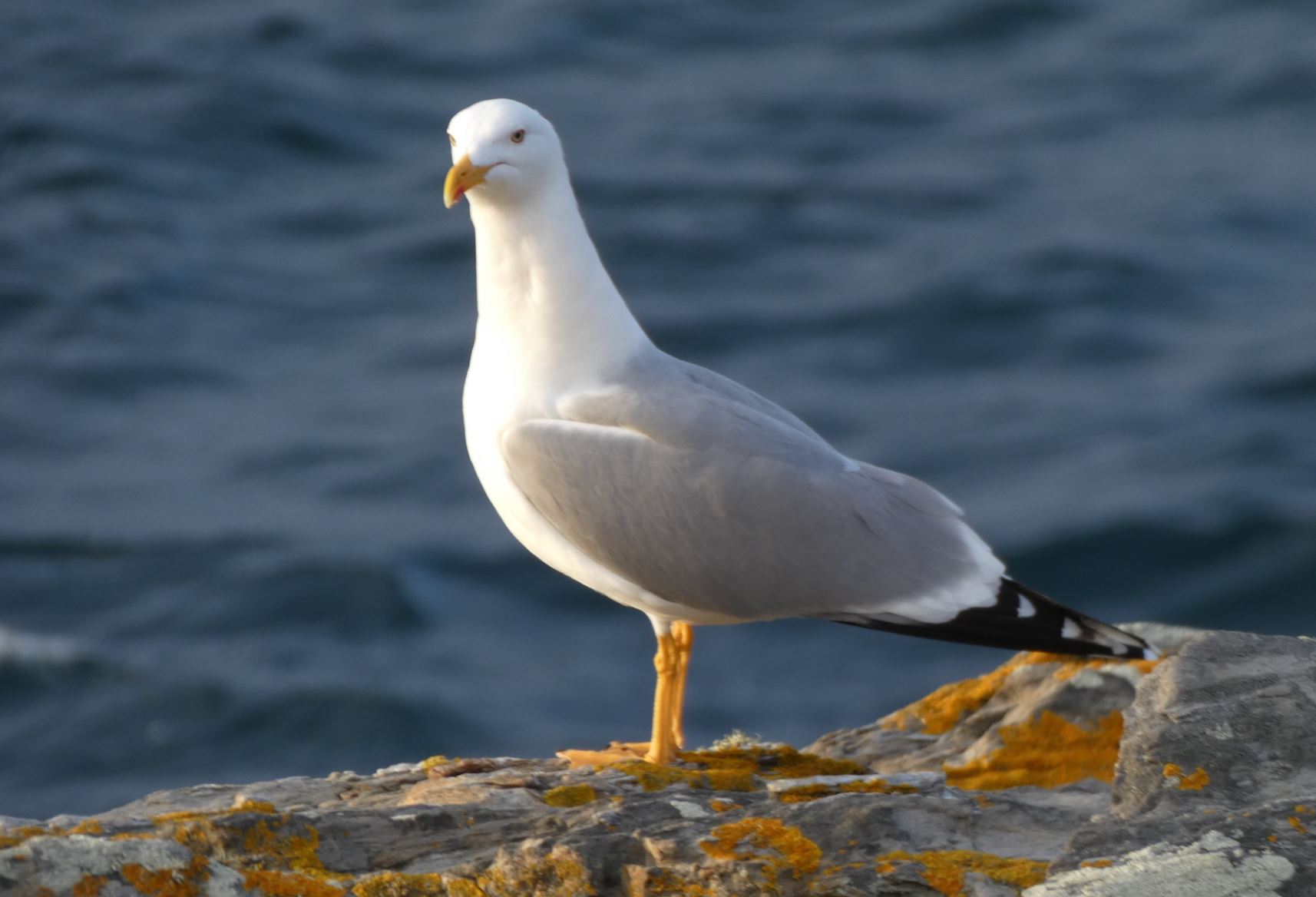
Suspicion of the disease arose on 11 July, following the arrival at the centre of a yellow-legged gull (Larus michahellis) found moribund on the coast of Santurtzi, Biscay. The gull died the following day, and samples sent to the regional laboratory (Neiker) tested positive by generic PCR. Subsequently, the Central Veterinary Laboratory of Algete, the national reference laboratory (NRL) for the disease, confirmed positivity by HPAI H5N1 PCR.
The centre was housing 132 birds of various species, as well as other animals including mammals.
Following confirmation in the gull, initially notified as a wild bird outbreak, the Official Veterinary Services (OVS) of the Basque Country ordered the preventive culling of 17 captive birds that had been housed in the same waterfowl aviary where the gull had been kept. Samples from these captive birds also tested positive for HPAI H5N1 at the NRL in Algete, confirming circulation of the virus within the centre and leading to its official notification as an outbreak in captive birds.

In response to the outbreak, the OVS of the Basque Country immediately implemented several control measures in accordance with Commission Delegated Regulation (EU) 2020/687:
- A restriction zone has been established around the outbreak, comprising a 3 km protection zone and a 3–10 km surveillance zone. This area encompasses 246 holdings, the majority being backyard flocks, with only 9 holdings exceeding 50 birds.
- The affected holding had already been placed under standstill from the initial suspicion, and holdings within the 10 km radius have now also been placed under standstill from the date of confirmation.
- The presence of poultry at fairs and markets has been prohibited.
- Surveillance and biosecurity measures have been strengthened at holdings within the restriction zone, including indoor housing of birds at commercial and backyard holdings to prevent contact with wild birds.
- All birds at the affected rehabilitation centre have been culled and official destruction of carcasses, feed, litter and other materials capable of transmitting the virus has been carried out in accordance with ABAP (Animal By-Products) regulations.
- Strict surveillance is being maintained over the remaining animals at the centre, particularly the mammals.

In addition to this outbreak in Gorliz, since the last epidemiological update, two further outbreaks in wild birds have been detected in the province of Cáceres: a swan in Arroyo de la Luz and wild ducks in Navas del Madroño. With these new cases, the total number of HPAI outbreaks detected in Spain during 2025 stands at 8 in wild birds (Andalusia, Extremadura and the Basque Country), 2 in poultry (Extremadura and Castilla-La Mancha), and this new outbreak in captive birds in the Basque Country.
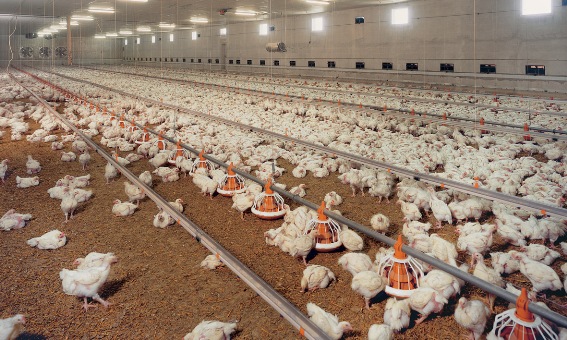
The two confirmed poultry outbreaks in 2025 were specifically a first outbreak on 18 July in Extremadura at a farm housing 7,000 turkeys and a second outbreak on 28 July at a farm housing 45,000 breeder hens in Toledo.
The authorities emphasise the importance of maintaining and strengthening biosecurity measures at poultry holdings to prevent contact with wild birds. They also urge the reinforcement of passive surveillance in both wild birds and poultry holdings, with any suspicion of disease to be reported to the OVS. This includes detecting drops in water and/or feed consumption, reductions in egg production, abnormally high mortality or other compatible clinical signs, in order to enable early detection and the adoption of measures to prevent further spread.
It is emphasised that this virus cannot be transmitted to humans through cooked poultry meat, eggs or processed products derived from them. Nevertheless, it is recommended to minimise unnecessary contact with birds showing clinical signs or found dead in the field.
For further information, please consult the avian influenza section of the Ministry of Agriculture, Fisheries and Food website. For details on the disease in wild birds and the protocol to follow when suspicious findings are made, it is recommended to refer to the wildlife health surveillance guide.
Further reading:
-. Avian Influenza on the website of the Spanish Ministry of Agriculture
-. Avian Influenza on NeXusAvicultura