
Ahillones, Badajoz – 18 July 2025 – Spain’s animal health and production authorities have today, Friday the 18th, confirmed a highly pathogenic avian influenza (HPAI) outbreak, serotype H5N1, on a turkey farm located in the municipal district of Ahillones, Badajoz. This event marks the first case of avian influenza on a poultry holding in Spain in almost two and a half years, resulting in the temporary loss of the avian influenza-free country status that Spain had maintained with the World Organisation for Animal Health (WOAH) since 2023. The last time H5N1 avian influenza was detected on a farm in Spain was in Arbeca (Lleida) in February 2023; that outbreak resulted in the culling of 87,000 turkeys and quail and did not spread to other poultry farms, having been swiftly contained and isolated.
The detection of this outbreak in poultry means that Spain temporarily loses the notifiable avian influenza-free country status it had held with the World Organisation for Animal Health (WOAH) since 2023, when the last outbreak of this disease was recorded in Spain.
Detection and confirmation of the outbreak
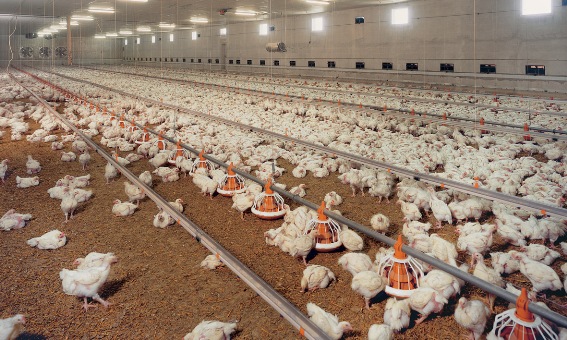
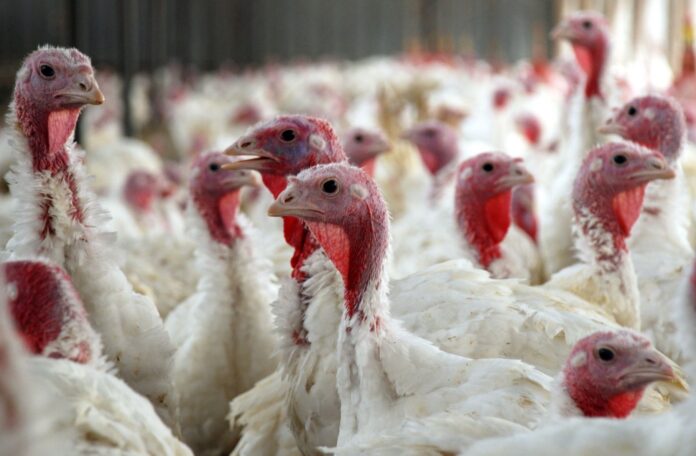
The outbreak on the farm in Ahillones affects a holding with approximately 7,000 turkeys of around 60 days of age. Suspicion of disease arose on 16 July, when farm managers notified the Official Veterinary Services (OVS) of the presence of clinical signs compatible with avian influenza and an abnormal increase in bird mortality in the preceding days.
On the same day, the OVS (Official Veterinary Services) of the Junta de Extremadura visited the holding to collect samples, which were sent to the Central Veterinary Laboratory (LCV) in Algete, Madrid. This laboratory, acting as the National Reference Laboratory for avian influenza in Spain, was responsible for confirming the presence of the H5N1 virus.

Control and containment measures
Following confirmation of the outbreak, the OVS of the Junta de Extremadura have immediately implemented the control measures stipulated in Commission Delegated Regulation (EU) 2020/687. These actions include:
- Immediate standstill of the affected holding and all poultry farms located within a 10-kilometre radius, from the moment of suspicion on 16 July 2025.
- Culling of all 7,000 birds on the infected farm and the official disposal of carcasses, feed and other materials potentially contaminated with the virus.
- Preventive culling of a further 5,000 birds — broiler turkeys — on a holding situated just 100 metres from the affected premises, despite these birds not currently showing clinical signs of disease.
- Conduct of an epidemiological investigation to determine the possible source of the outbreak and identify other holdings at risk due to their links with the affected farm.

Restriction and surveillance zones
A three-kilometre protection zone has been established around the outbreak, complemented by a surveillance zone extending to ten kilometres. Within these zones, particular attention has been paid to two broiler chicken holdings and one leisure holding, all of which have been placed under standstill, have reinforced their biosecurity measures and are being inspected. The Junta de Extremadura has highlighted that official oversight of poultry holdings in the area will be strengthened to ensure biosecurity, and that passive surveillance of poultry holdings and wildlife will continue.
Possible source of the virus: wild birds
Authorities consider that the most likely route of virus introduction into the farm was indirect contact with wild birds. This hypothesis is supported by the recent detection of two H5N1 avian influenza outbreaks in wild birds in Extremadura: one in Corte de Peleas (Badajoz) and another in Casar de Cáceres (Cáceres). In both cases, dead wild geese were found in urban ponds, and samples collected by the Junta de Extremadura tested positive for the virus. These official samples, which returned positive results at the regional laboratory, were subsequently reconfirmed by the LCV in Algete.
The regional administration has noted that, given the circulation of infected wild birds throughout the country, this situation was foreseeable. With this latest case on the farm, the total number of highly pathogenic avian influenza (HPAI) outbreaks detected in Spain during 2025 stands at five outbreaks in wild birds (in Andalusia and Extremadura) and this outbreak on the turkey farm in Ahillones (in Extremadura). This is also the first case of avian influenza in production poultry in Extremadura and across Spain in 2025.

Inter-institutional coordination and potential risk to exports
The Department of Agriculture, Livestock and Sustainable Development of the Junta de Extremadura is operating in coordination with the Ministry of Agriculture, Fisheries and Food (MAPA), following the established protocol for such cases.
It is important to note that the H5N1 subtype detected, whilst of concern for the poultry industry, does not possess significant zoonotic capacity, meaning its ability to be transmitted to humans is “very limited”. Furthermore, this virus cannot be transmitted to humans through cooked poultry meat, eggs or processed products derived from them. Nevertheless, it is recommended to minimise unnecessary contact with birds displaying clinical signs or found dead in the field.
The detection of this outbreak underscores the critical importance of surveillance and biosecurity measures in the poultry sector, particularly in areas close to wetlands or with the presence of migratory birds, which are key vectors for the transmission of highly pathogenic avian influenza. The temporary loss of avian influenza-free country status could affect poultry trade, particularly with certain third countries that may close their borders if they do not accept regionalisation.
Related news on NeXusAvicultura:
For further information:
-. Press release from the Junta de Extremadura, 18 July 2025
-. Official communiqué from the Ministry of Agriculture, 18 July
-. Avian Influenza on NeXusAvicultura