

Edgar Orlando Oviedo-Rondón *
Overview
This article reviews the state of research on vitamin nutrition in poultry species and current recommended levels. The economic, environmental and sociopolitical aspects of sustainability are addressed.
Most of the information presented is described in detail in the book “Optimum Vitamin Nutrition for More Sustainable Poultry Farming” (Oviedo-Rondón et al., 2023). However, more recent publications and news of the latest developments related to scientific recommendations and the global vitamin market were also used in this presentation.
The aim is to provide a brief overview of scientific findings to assist nutritionists in the decision-making process when selecting optimum levels for poultry nutrition. The challenges involved in determining optimum vitamin levels were discussed, and the metabolic nutritional assessment of vitamins was emphasised. Vitamin interactions with other nutrients must be taken into account when determining the vitamin levels to be used or when interpreting data from vitamin evaluations. Multiple examples of poultry responses to vitamin levels were presented to illustrate the rationale for optimum vitamin level selection and the multiple interactions with other nutrients in the observed responses. The sustainability aspects of vitamin levels and supply were addressed.
Introduction
Vitamins are essential micronutrients involved in all developmental processes, in the regulation of nutrient metabolism, growth, immune responses, tissue function and repair (Figure 1).
The vitamin levels chosen depend on the need to maintain health and welfare, productivity at desired levels and to support or improve food quality. Poultry species are subject to continuous genetic selection to improve growth, meat production and egg numbers.
Cerrate and Corzo (2019) used AgriStats data (2001–2017) to describe the genetic performance of broilers in the USA under commercial conditions. They calculated the impact that this can have on protein and fat deposition and on metabolism. They concluded that broilers could gain 4% more protein and deposit 6% less fat per year. These changes have important implications for metabolism. Broilers may be more efficient in the utilisation of nutrients and energy, but it is questionable whether they are also more efficient in the utilisation of vitamins and minerals.

Figure 1. Metabolic functions and interactions of vitamin A (Panel A) and B-group vitamins (Panel B). Source: Clagget-Dame and Knutson (2011) and Godoy-Parejo et al. (2020).
A similar genetic trend has been observed in laying hens. In 1917, egg production cycles were only 52 weeks long and hens laid only 80 eggs. By 2024, flocks will be maintained for up to 100 weeks, and the average hen can produce more than 500 eggs in a single production cycle. Furthermore, current trends in housing systems, such as colony cages and aviaries, place demands on the skeletal system of these birds. The persistence of the laying curve has increased, and laying flocks have gone from 34 weeks above 90% hen-day production in 1984 to nearly 60 weeks at present.
At the same time, the body weight of hens and daily feed intake in grams have decreased. In 2007, Dr. Steven Leeson concluded that expectations of continued improvement in poultry performance may dictate the need for ongoing reassessment in the determination of vitamin levels within diet formulations. All research reports from the last 20 years indicated multiple positive responses when vitamin levels are increased (Oviedo-Rondón et al., 2023).
Vitamin Level Selection
It is difficult to determine vitamin requirements, as many of the classic performance responses are not observed when vitamin levels are close to the optimum. Clear differences in responses were observed when the experiment intentionally included deficient levels. Many of the essential metabolic functions of vitamins can only be observed in long-term experiments that are rarely conducted. Determination of the vitamin level may require several inclusion levels that are not observed in the multiple published evaluations. Finally, optimum vitamin levels vary considerably depending on the physiological status of the animal, environmental and immunological challenges, macronutrient concentration, energy levels and interactions with other vitamins and minerals. Consequently, classical methodologies for determining nutrient requirements may not be valid for determining vitamin needs.
The vitamin levels used by the industry and recommended by multiple research groups or breeding companies show considerable variability. The levels to be selected for practical nutrition will depend on the conditions, objectives and challenges that flocks will face under commercial conditions. In the extensive review conducted for the book Optimum Vitamin Nutrition for More Sustainable Poultry Farming (Oviedo-Rondón et al., 2023), more than 230 new scientific references from 2011 to 2022 were incorporated. All the information reviewed for this book indicated that poultry of all species show positive responses to increasing vitamin levels, but nutritional limits and, eventually, economic constraints must be observed.
The 10th revised edition of “Nutrient Requirements of Poultry” has not yet been published. However, the preliminary presentation of 15 July (available online since 27 August on the PSA website) indicates that there will be limited updates on vitamin levels. Nevertheless, alternative response criteria for vitamins will be recommended, and the concept of vitamin and mineral functions beyond their required function will be introduced.
Nutritionists should consider the multiple concomitant functions of vitamins and their short- and long-term effects. Vitamins are particularly critical under environmental and immunological challenges. Vitamins can affect production parameters, integuments, bones and muscles, meat and egg quality, behaviour, gut health and the microbiome (Oviedo-Rondón et al., 2023).
Vitamin costs are generally low and account for less than 1% of the total cost of feed, meat or eggs. However, under certain circumstances related to supply problems, prices have increased three to four-fold, and cost and availability become a concern.

Table 1. Nutritional assessment of vitamin status.
Summary of information presented by Oviedo-Rondón et al. (2023)
Since poultry do not always respond to changes in dietary vitamin levels over a short period of time, it is necessary to seek alternative methodologies. Nutritional assessment of vitamin status becomes important owing to their metabolic functions. Several methodologies are accepted for these assessments (Table 1). Assessments of blood or tissue levels should always be included in all experiments seeking to determine optimum vitamin levels.
These tests are specialised, costly and require special equipment and multiple replicates, as individual responses are highly variable in order to determine reliable values for a population. Values indicating deficiency or optimum levels have been determined for fat-soluble vitamins. However, these values are not yet clear for water-soluble vitamins due to the dynamics of their utilisation in tissues and greater variability depending on the conditions under which assessments have been conducted.
Interactions between vitamins, with other nutrients, and environmental or immunological conditions are essential factors that must always be taken into account when interpreting the results of dietary vitamin evaluations. Figure 2 shows examples of some of the interactions of vitamin A. The impact of selenium on other vitamins, not only vitamin E, is shown in Figure 3. In Figure 4, the reader can observe the impact of minerals and other fat-soluble vitamins on the metabolism and functions of vitamin D. It is also important to bear in mind the effect of stress in blocking vitamin D receptors in cells, which can affect the ultimate function of vitamin D.
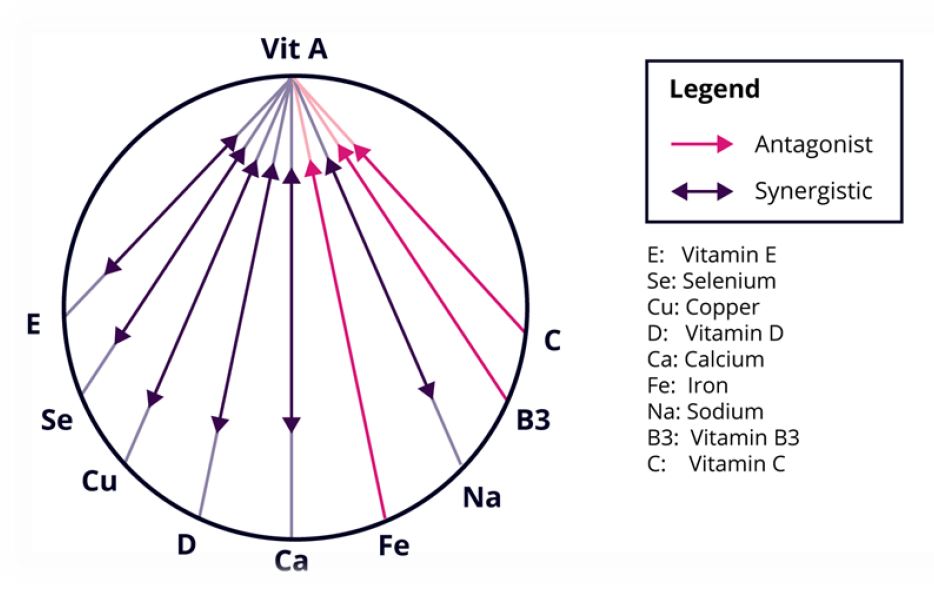
Figure 2. Antagonisms and synergies of vitamin A with other nutrients.
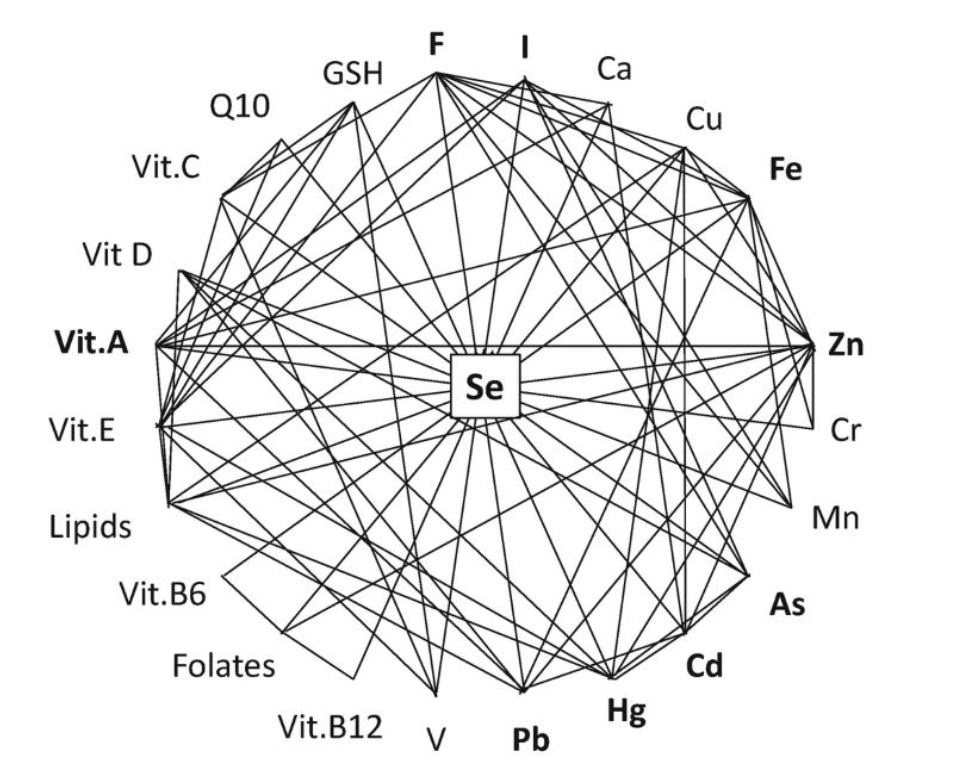
Figure 3. Interactions of selenium with other nutrients.
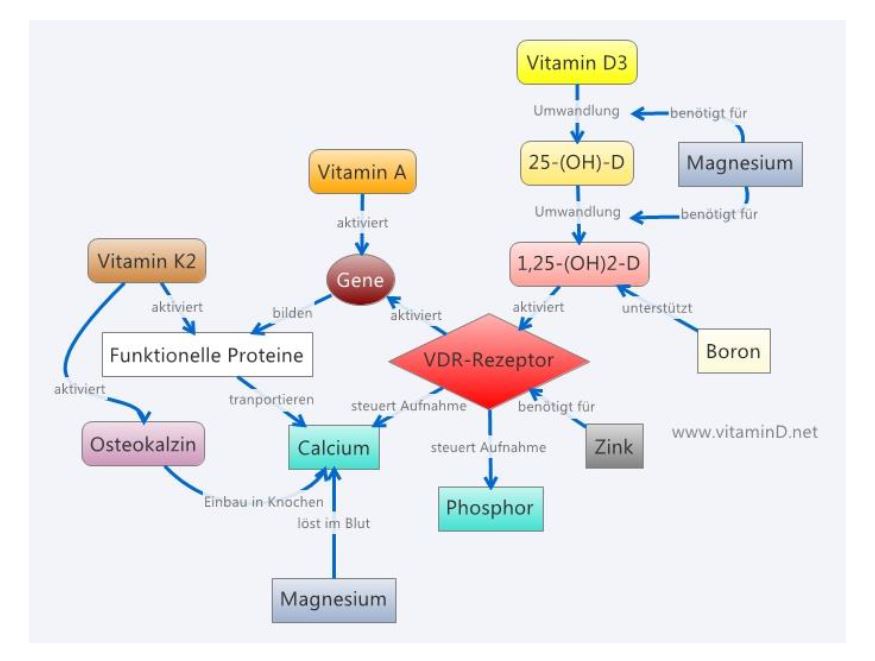
Figure 4. Effects of minerals, vitamin A and K on vitamin D metabolism.
During this presentation, multiple examples of responses of breeders, broilers, turkeys and laying hens to dietary vitamin levels were presented. Most of these examples are described in greater detail in the book Optimum Vitamin Nutrition for More Sustainable Poultry Farming (Oviedo-Rondón et al., 2023). These examples help to illustrate the rationale for optimum vitamin level selection and their interactions with other nutrients. These interactions alert the nutritionist to conditions in which the vitamin level may need to change.
The majority of studies indicated that poultry respond to dietary vitamin levels above those recommended. Recent evaluations show the impact of even higher dietary levels under heat stress conditions. For example, Biswas et al. (2024) demonstrated that supplementation with 400 and 600 mg vitamin C/kg feed improved body weight gain, feed conversion ratio, haematological parameters and gene expression of heat shock proteins (HSP-70) in broilers under heat stress (Table 2). The effects of dietary levels of vitamin D (Figure 5) and E (Figure 6) for egg enrichment were also discussed.

Table 2. Broiler production performance responses to dietary ascorbic acid supplementation (0, 200, 400 and 600 mg/kg) during heat stress.
Source: Biswas et al. (2024).
Sustainability Aspects of Vitamins
Vitamins contribute to sustainability by improving poultry performance, reducing nutrient intake, improving nutrient metabolism and retention, and reducing environmental excretion. Several examples were indicated, which are expanded upon by Oviedo-Rondón et al. (2023).
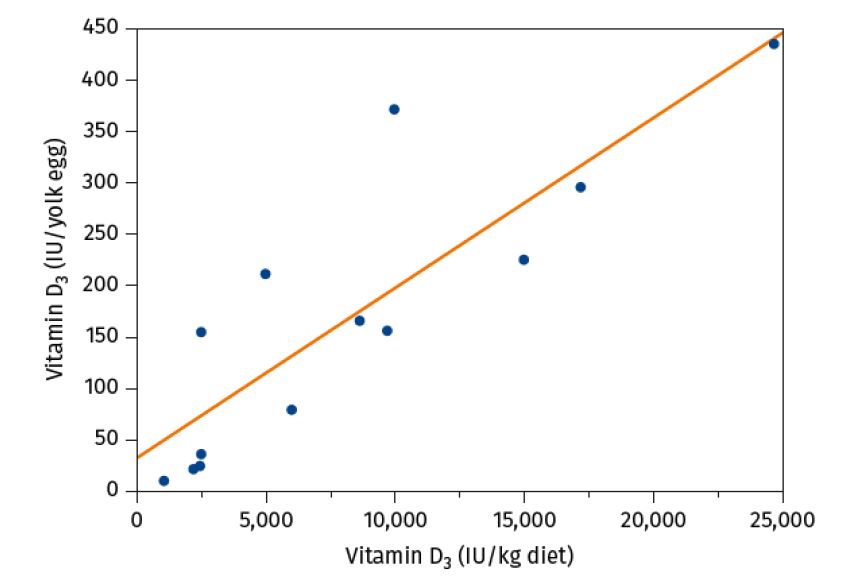
Figure 5. Vitamin D3 content of eggs from hens fed various dietary levels of vitamin D3.
Linear effect: vitamin D3 (IU/egg yolk) = 32.150184 + 0.0164989 × vitamin D3 (IU/kg diet). Source: Oviedo-Rondón et al., 2023. Adapted from Mattila et al. 1999; Mattila et al., 2004; Yao et al., 2013; Browning and Cowieson, 2014.

Figure 6. Vitamin E and retinol concentration in egg yolk from hens fed vitamin E from 3 to 11 weeks with different selenium sources (Skřivan et al., 2010).
Vitamins also minimise problems in skeletal development and fracture repair, skin healing, feather development and immune responses that support welfare and health. Conversely, vitamin sources have been questioned in organic poultry production systems due to their origin in fermentation using genetically modified organisms. Natural sources of vitamins are required.
However, vitamin levels may vary with these alternative sources. Excellent plant-based vitamin sources are available on the market. Nevertheless, problems with consistency of results are frequently observed when these plant-based substitutes for vitamins D, E and choline are used.
Finally, another aspect of sustainability related to the socioeconomic or sociopolitical dimension is the high dependence of the US livestock and poultry industries on imported vitamins. China supplies 94% of vitamin B6, over 91% of vitamin C and more than 78% of all vitamins used in the United States.
In 2022, China produced 73% and 62% of the global total of feed-grade vitamin A and E, respectively, and a staggering 94% of the total feed-grade vitamin B2. Due to sociopolitical issues and supply chain uncertainty, this problem needs to be addressed, as it could cause instability and pose a risk to the US and global animal and poultry production.
Vitamin production is so concentrated in certain countries and plants that a recent fire (29 July 2024) at the BASF Ludwigshafen plant in Germany caused an insufficient supply of vitamins E and A worldwide, with prices in some regions already having risen by more than 300%. This plant is expected to resume operations in 2025, but in the meantime, vitamin price volatility may affect the levels used, with some consequences for productivity.
Conclusions
Vitamins are essential micronutrients. The dietary levels to be selected depend on growth rate, production objectives, age, reproductive status, dietary levels and the quality of other nutrients. The investment to modulate immunity to challenges, mitigate the impact of stress, mitigate the effects of ageing, maintain reproduction and enrich tissues and ova appears to offer a good return. Current scientific evaluations and practices suggest higher levels wherever investment is feasible and conditions require it. Research on vitamin levels requires nutritional status assessments using blood and tissue parameters.
Source and Author:
-. “Vitamin Update and Sustainability,” Proceedings of the Arkansas Nutrition Conference: Vol. 2024, Article 3.
Available at: https://scholarworks.uark.edu/panc/vol2024/iss1/3
Edgar Orlando Oviedo-Rondón
*Department of Poultry Science, North Carolina State University, Raleigh, North Carolina
Author email: edgar_oviedo@ncsu.edu