
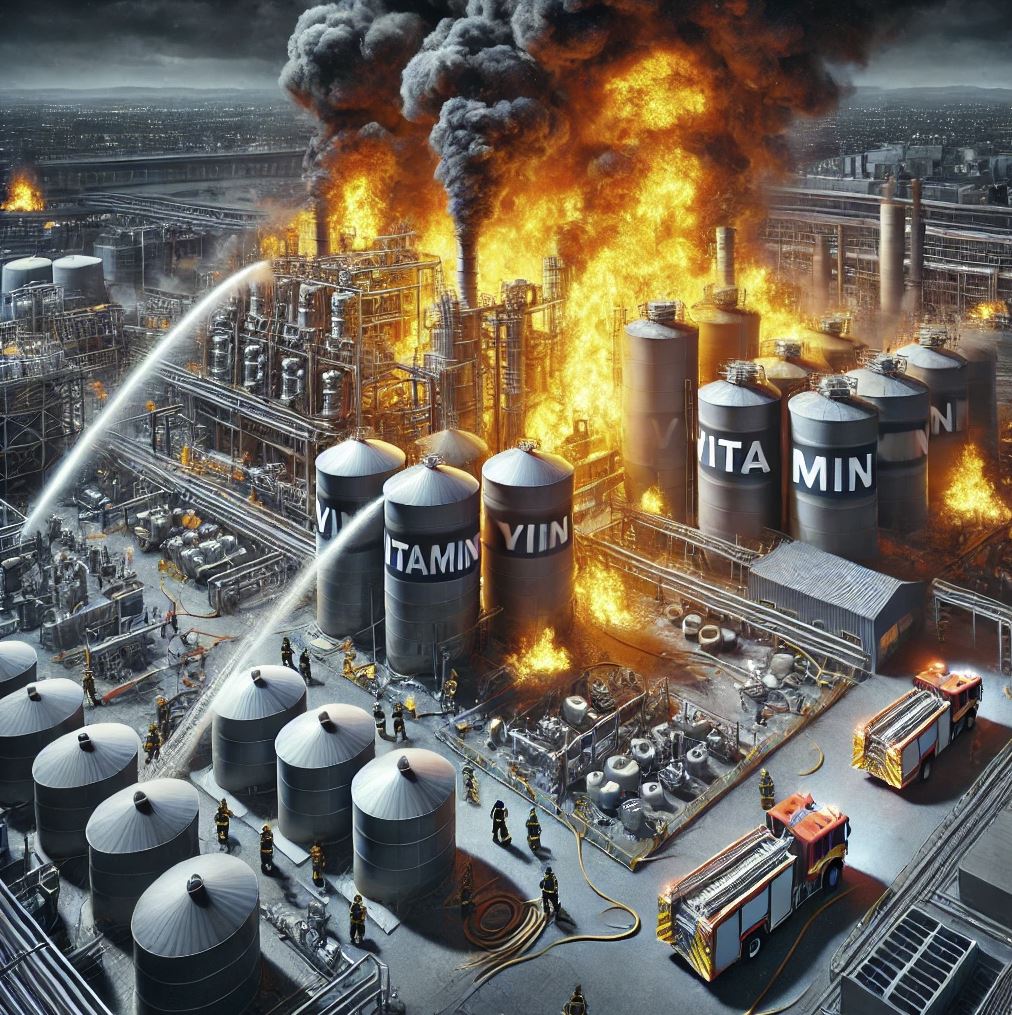
On 29 July 2024, a major explosion and subsequent fire devastated a key plant at BASF’s Ludwigshafen chemical complex in Germany. This plant plays a fundamental role in the production of aromatic ingredients and vital precursors of compounds related to animal nutrition, such as vitamins A, E and carotenoids. The incident caused significant structural and operational damage, leading to the immediate shutdown and BASF’s declaration of force majeure for these essential products.
The repercussions of the fire have cascaded through the nutrition ingredient and flavour markets, highlighting the vulnerabilities of the global supply chain.
In an exemplary instance of crisis communication, BASF has set up a dedicated webpage providing ongoing updates on the progressive restoration of its manufacturing of vitamin A, vitamin E, carotenoids and flavourings.
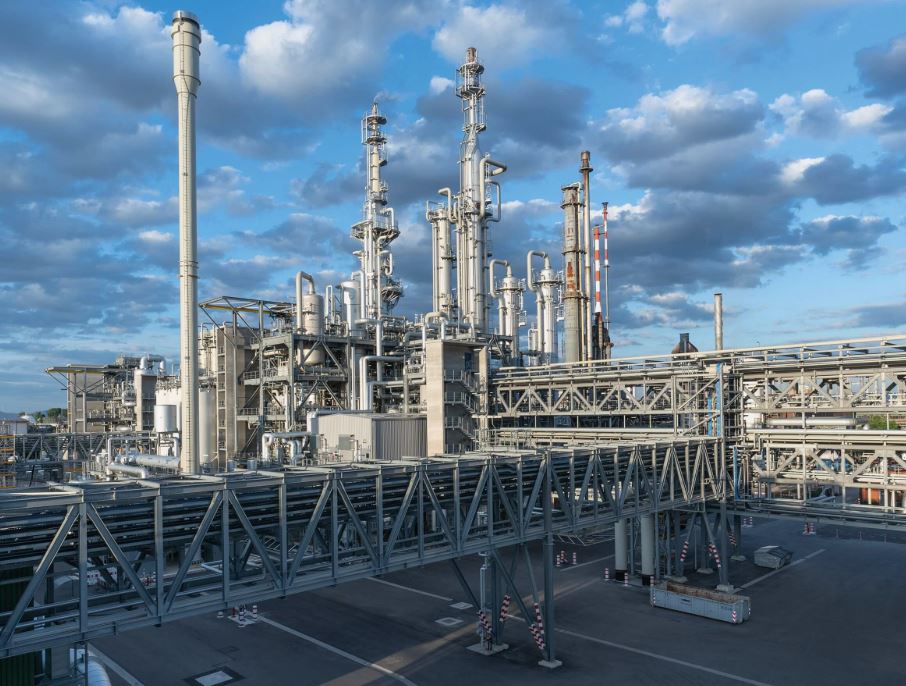
Based on information provided by BASF itself on its dedicated webpage, the company confirmed that certain aromatic ingredients, including Pyranol, Methylionone 70 and DL-Menthol FG, are scheduled to restart production in the last week of October 2024. Allocation volumes for these products are expected to be communicated in the second half of November. However, other aromatic ingredients will only come back online gradually between April and June 2025.
The recovery timeline for nutrition-related products is even more prolonged. Vitamin A production is expected to resume in April 2025, while vitamin E and carotenoids will follow in July 2025. BASF has warned that even after production restarts, several months will be required to rebuild inventory levels and fully restore market availability.
The importance of securing and diversifying supply chains in poultry nutrition
This disruption underscores the critical need for contingency plans within the nutrition and food safety industries. In September 2024, the broader risks of these supply chain disruptions became apparent — including price volatility and limited product availability — sparking debate about the importance of diversification and risk mitigation strategies. For poultry and livestock feed nutritionists and formulators, this situation presents challenges in maintaining supplement supplies and securing resilient supply chains for critical inputs such as essential vitamins.
While BASF’s proactive updates provide transparency, the prolonged delays highlight the fragility of global supply chains for essential vitamins and carotenoids. Nutrition industry professionals must prepare for continued price volatility and potential challenges in sourcing these key ingredients. This serves as a timely reminder of the importance of robust contingency planning to maintain nutritional security in the face of unforeseeable accidents such as this one — events that have occurred before and will occur again.