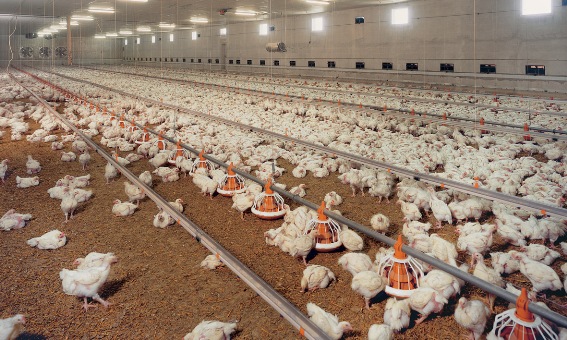

Avian influenza (AI), a disease that has raised alarm among scientists and health authorities worldwide, is once again at the centre of attention. Recent cases recorded in North America have intensified epidemiological surveillance due to the potential risk of mutation of the H5 virus, which could increase its capacity to spread among humans.
In Spain, the detection of an AI case in a seagull in Galicia last October 2024 has underscored the importance of following strict preventive measures. Although infection in wild birds does not always imply an immediate risk to humans, the presence of the virus in birds within the territory requires active surveillance and effective protocols to minimise any possibility of transmission.
In view of the global spread of AI, Spain has reinforced its strategies to prevent potential outbreaks. In February 2023, the Ministry of Health published the document “Prevention, Early Detection and Control of AI in Persons Exposed to Outbreaks in Birds and Mink“, which establishes a series of measures to protect both people and animals in high-risk settings, such as poultry farms, zoological collections and mink farms.
The main preventive measures against Avian Influenza in humans include:
- Training and use of personal protective equipment (PPE) for workers on poultry farms and in zoological collections, who must receive specific training on the risks of AI and the precautions required to avoid exposure. They are provided with appropriate protective equipment and trained in its correct use, including safe donning and doffing techniques to prevent contamination.
- Biosecurity practices on farms: farms must implement strict biosecurity practices aimed at keeping animals free from infection. These include cleaning, disinfection and access control protocols to prevent the introduction of the virus from outside.
- Health surveillance and monitoring by occupational health and safety services, which oversee workers’ health and, in the event of an outbreak, must activate immediate measures to contain its spread among both animals and humans.
Vaccination against influenza
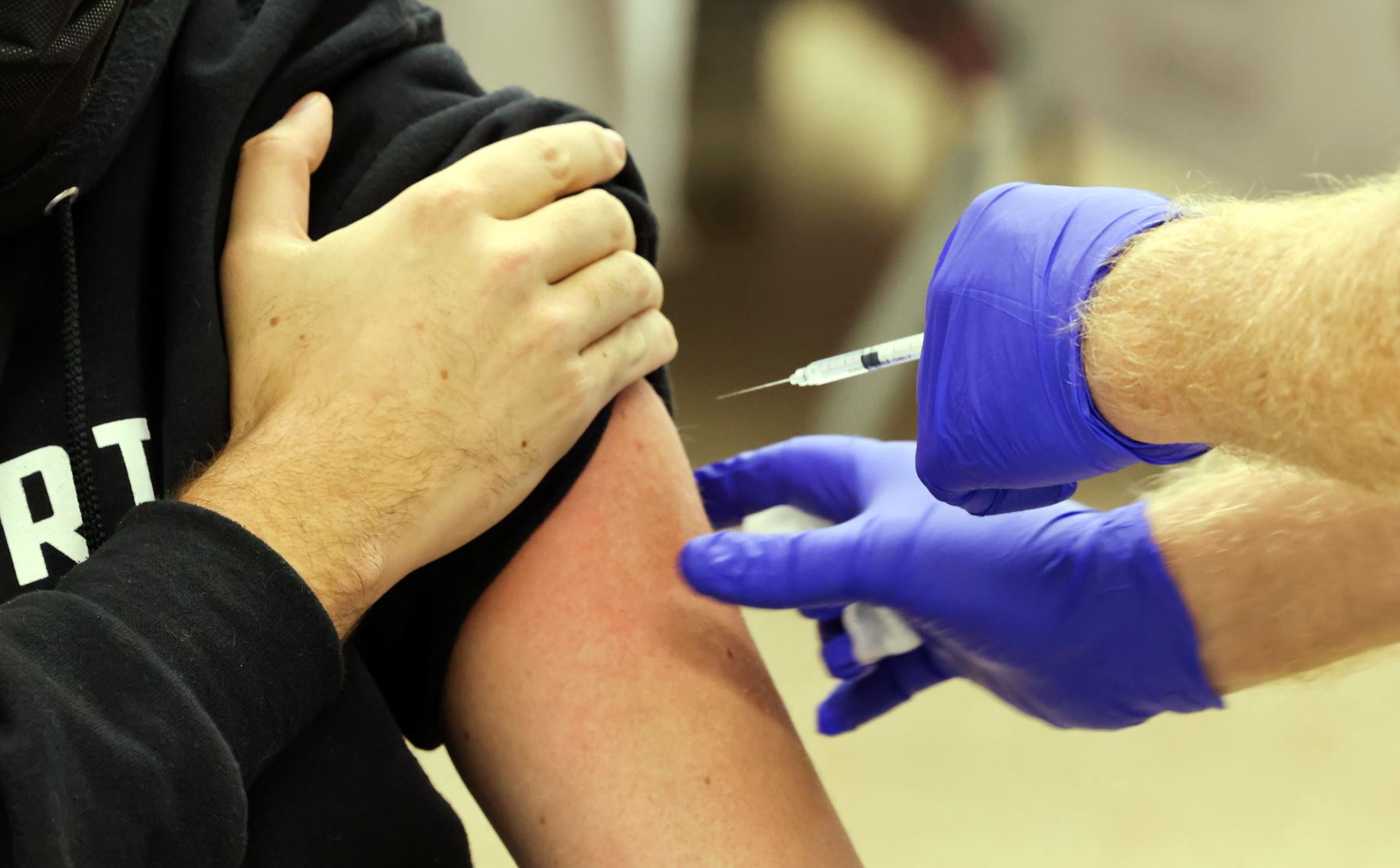
A key recommendation from the Ministry of Health is annual seasonal influenza vaccination for individuals with frequent exposure to birds or mink. Although this vaccine does not provide direct protection against avian influenza, it helps reduce the risk of simultaneous co-infection with human and avian influenza viruses, which could give rise to a dangerous genetic mutation.
Nevertheless, vaccination must be complemented by individual protective measures, as the H5N1 virus remains a threat against which no specific vaccine is currently available for mass use in humans.
Finally, although human-to-human transmission remains limited, the virus is highly lethal, making it a latent threat to global public health. The key to preventing a health crisis lies in maintaining constant monitoring, strengthening response systems and ensuring that communities and the agricultural sector are prepared to act swiftly and adopt appropriate preventive measures.
Source:
-. Gaceta Médica, 15-11-24
Further reading:
-. Vaccination of workers on poultry farms