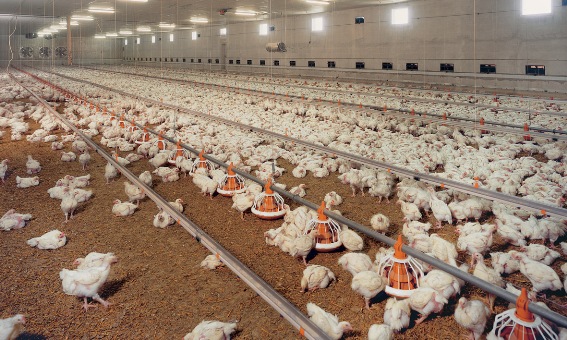

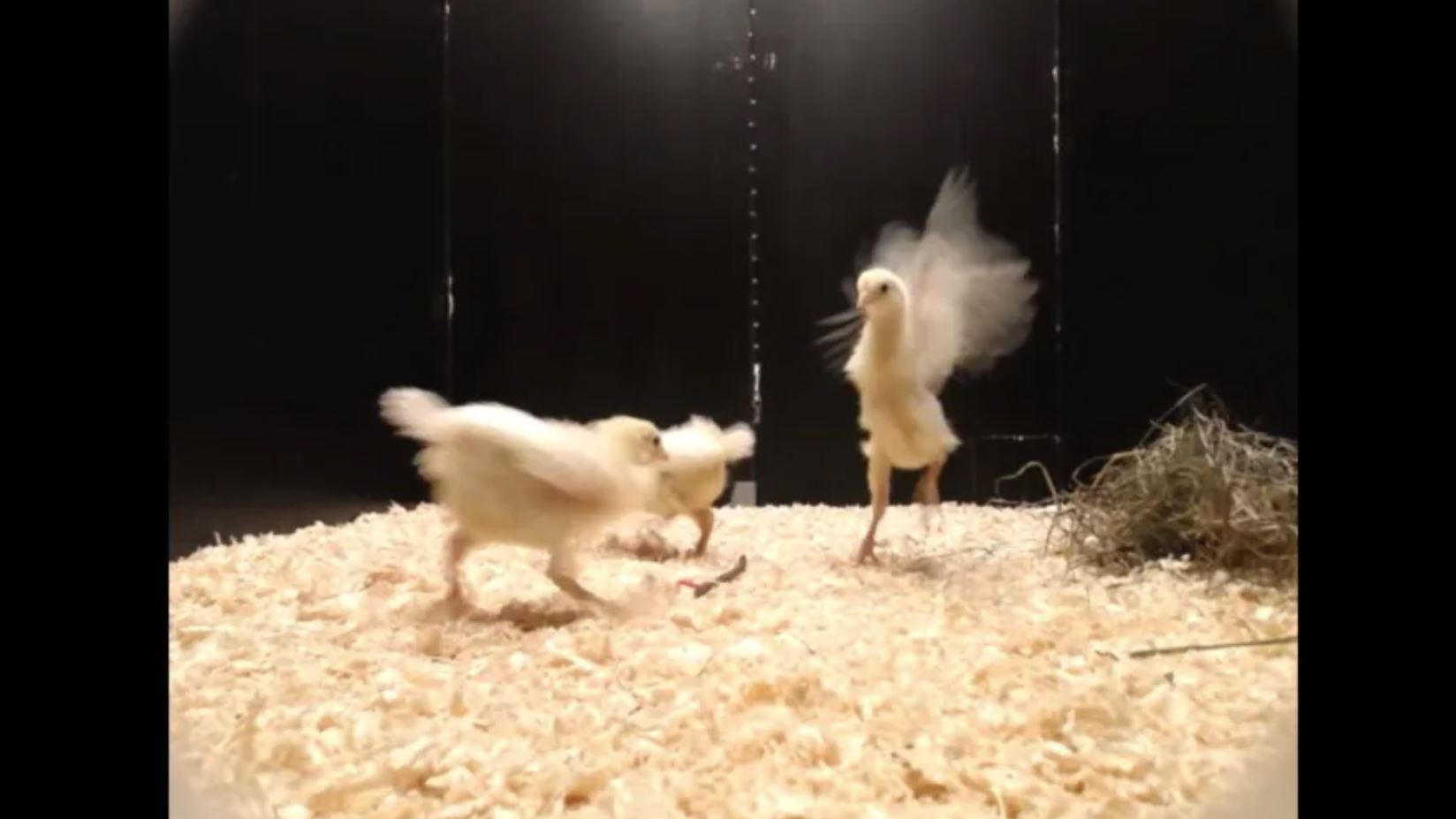
Play is widespread, though far from universal, throughout the animal kingdom. Particularly common in mammals, play is also known to occur in taxa as diverse as birds, fish, octopuses and even insects. But what is its function, given that natural selection never selects for fun in itself? A prominent hypothesis is that play is beneficial to individuals because it allows them to practise skills needed later in life.
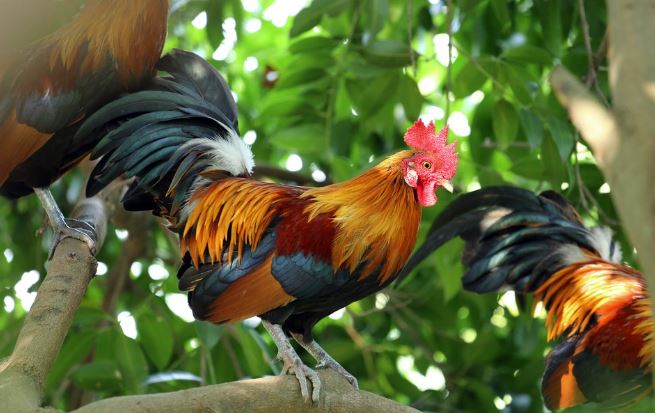
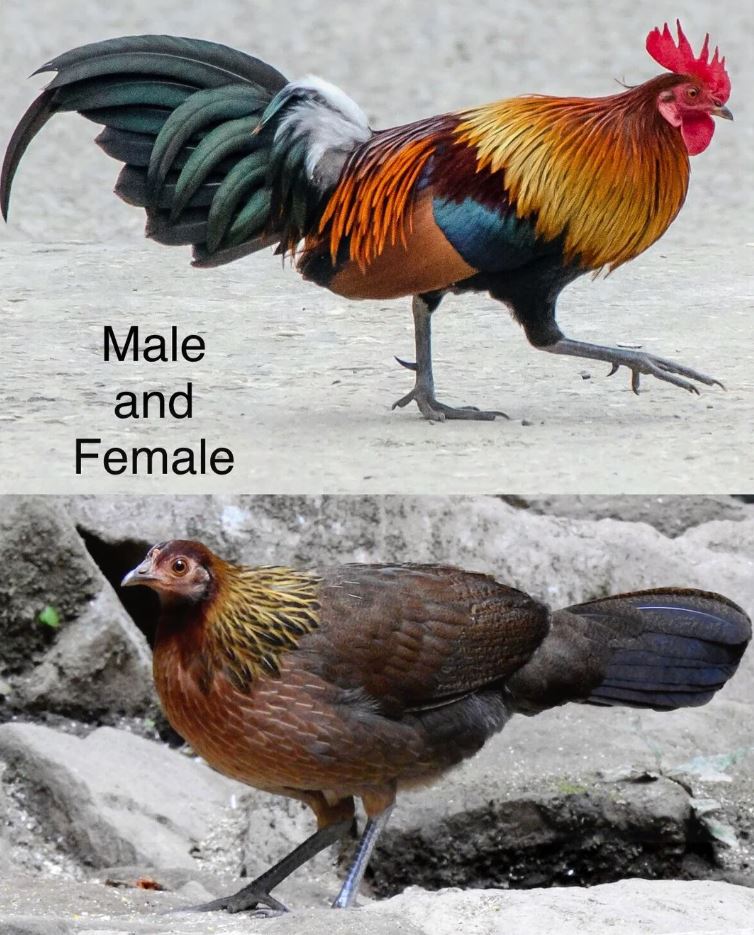
Now, a study published in Frontiers in Ethology has demonstrated that male chicks play far more than females. This result is of interest given that domestic chickens are direct descendants of a species — the red junglefowl — with a marked sex difference in morphology, colouration and behaviour.
“Here we show for the first time that there are clear sex differences in the age-related development of play in Galliformes,” said lead author Rebecca Oscarsson, a doctoral student at Linköping University in Sweden.
“This difference is mainly due to males engaging more in social play and object play.”
Red junglefowl were domesticated by humans between 7,000 and 8,000 years ago in mainland Southeast Asia. Since then, multiple hybridisation events have occurred, meaning that modern domestic chickens also carry genes from green junglefowl and Sri Lankan grey junglefowl. In each of these species, males are more colourful, aggressive and vigilant than females, and provide food to their mates.
The researchers incubated eggs from White Leghorn hens sourced from a farm and determined the sex of each newly hatched chick based on wing length. The chicks were housed in pens with a wood shavings floor, heat canopy, feed and water throughout the experimental period. They were then transferred twice a week to larger enclosures or “play pens” where they were observed for 30 minutes, with the behaviour of each chick scored at 15-second play intervals. This was repeated on 15 different days, between 6 and 53 days of age.
A total of 12 distinct play behaviours were identified. Examples of locomotor play included frolicking and wing-flapping. Object play included chasing an object, pecking at it or exchanging it with another chick, while social play included sparring, jumping and play-fighting.
Ten minutes into the observation sessions, the observer introduced a fake rubber worm into the pen. This served to stimulate another type of object play: worm play, in which a chick carried the worm in its beak and ran with it. This may be the equivalent of “tidbitting” — a series of courtship behaviours involving food manipulation performed exclusively by adult males and directed towards females.
Object play was observed more frequently than social play, while locomotor play was less common. Both females and males displayed all types of play behaviours. However, the frequency of play differed between them: male chicks played more overall than females. This was because males engaged more frequently in social play and object play, while there were no sex differences in the frequency of locomotor play.

Play frequency also depended on age: in males it peaked at around 43 days and in females at around 36 days, before gradually declining at older ages.
The researchers concluded that these sex differences in chick play frequency can be explained by the high degree of sexual dimorphism in adult junglefowl. This means that male chicks would benefit more from practising various skills related to physical fitness and social tactics.
“We still do not know the adaptive function of play for any species,” said co-author Dr Per Jensen, Professor at Linköping University and academic supervisor of Oscarsson. “However, this study indicates that one possible function of play is to prepare birds for the specific challenges they may face later in life. In a species such as Galliformes, where only males compete for territory, it makes sense that they engage in more social play when young.”
“Many questions remain unanswered regarding the adaptive functions of play — for example, its effects on later cognitive abilities. We now plan to investigate the neurobiological and genetic mechanisms of play. For instance, it is possible that early cerebellar development is linked to play behaviour,” said Jensen.