
The mystery of which came first, the egg or the chicken, has generally been resolved in favour of the former. However, some questions remain to be clarified — for example, explaining how effectively chickens spread throughout the ancient world, given that some wild bird bones have been incorrectly identified as those of domestic birds.
With the aid of new technologies, a recent analysis of eggshell fragments from Central Asia suggests that chicken keeping for egg production was likely commonplace there from around 400 BC. The domestic hen’s ability to lay eggs outside the traditional breeding season was potentially the main driver of the dispersal of these birds across Eurasia and north-east Africa.
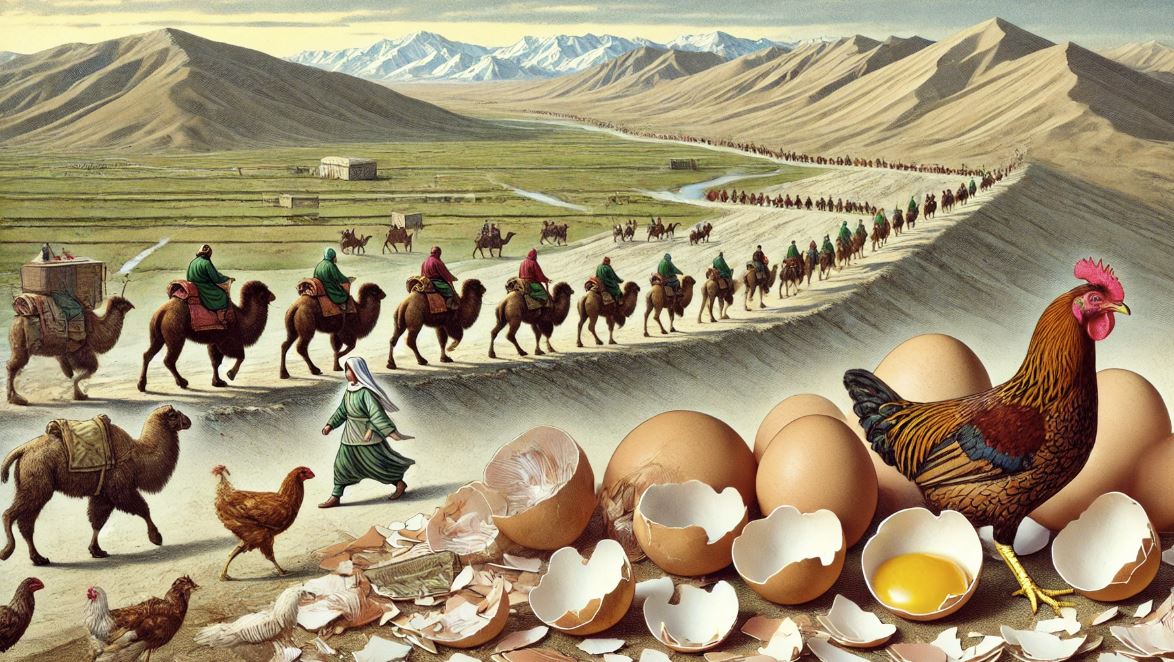
An international team of archaeologists, historians and biomolecular scientists has studied eggshell fragments from 12 different archaeological sites in Central Asia spanning approximately 1,500 years. These fragments were scattered along the central corridor of the ancient Silk Road, a vast Eurasian trade network stretching from present-day China to the Mediterranean, which was used from the 2nd century BC until the mid-15th century and facilitated religious, cultural, economic and political interactions between Asian and European countries.
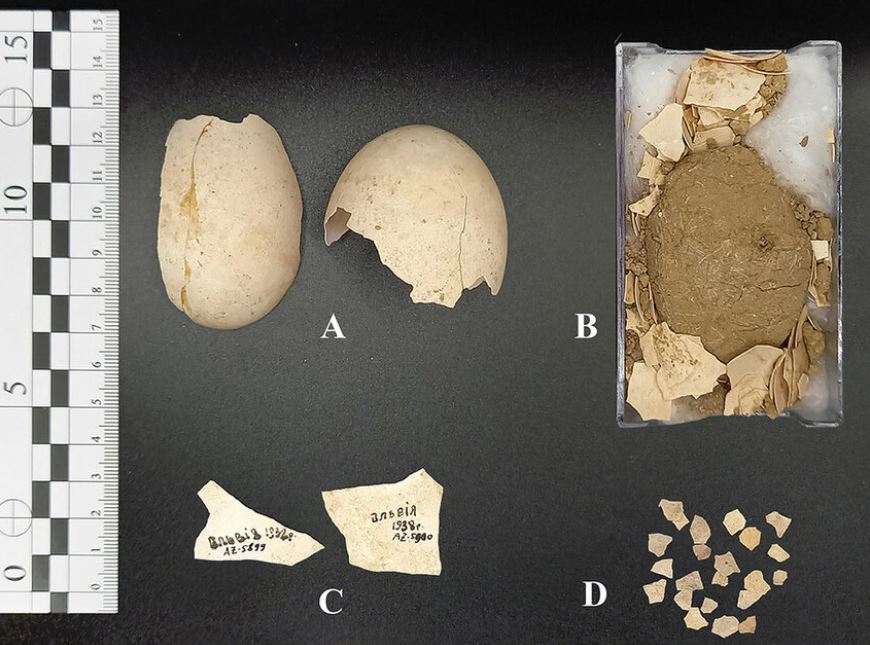
The abundance of eggshell fragments found suggests that hens were laying eggs out of season, in spring. Having access to a food source not tied to a particular time of year likely made chickens a highly valuable domestic animal.
To study the origin of the egg fragments found, the researchers used a biomolecular analysis method called ZooMS, which enables the identification of animal remains — including bones, skin and shells — and is based on protein signals rather than DNA, making it a faster and more cost-effective option than genetic analysis, according to the researchers.

According to Carli Peters, co-author of the study and archaeologist at the Max Planck Institute for Geoanthropology in Germany, this research demonstrates the potential of ZooMS to shed light on human-animal interactions in the past. The team hopes that work such as this will show how the use of novel analytical methods like ZooMS, combined with interdisciplinary collaboration, can be key to unravelling many mysteries of antiquity.
To reach these conclusions, the shell fragments found along the trade corridor were analysed using ZooMS, a biomolecular method capable of identifying species from animal remains such as bones, skin and shells. Unlike traditional DNA-based techniques, ZooMS relies on protein signals. “This study demonstrates the potential of ZooMS to shed light on human-animal interactions in the past,” stated Carli Peters, archaeologist at the Max Planck Institute for Geoanthropology in Germany and co-author of the study. Peters also highlighted the large quantity of shell remains found, indicating that they could not have come from birds laying only once a year. “This is the earliest evidence in the archaeological record showing the loss of laying seasonality,” added Robert Spengler, leader of the Domestication and Anthropogenic Evolution research group.
Part of the data comes from the site of Bash Tepa, an Achaemenid fortification located on the edge of the Bukhara Oasis, occupied between 400 BC and 100 AD, and from other archaeological sites such as Paykend (Hellenistic period), and medieval cities including Kafir Kala, Bukhara and Afrasiab, among others. These fragments span a wide chronology and reflect the presence of chickens in different historical contexts.
The question of the egg and the chicken has long been a subject of debate. Geneticists suggest that chicken domestication was driven by intensive selection programmes to increase production, while other researchers point to hybridisation processes. Furthermore, some historians and archaeologists propose that the chicken was initially domesticated for ritual or sporting purposes or for its ornamental feathers, rather than for food production.
There is also no consensus on the exact dates of domestication. Some bones identified as belonging to domesticated chickens turned out to belong to other species. Recent studies indicate that the main ancestor of the domestic hen is Gallus gallus ssp. spadiceus, and another analysis covering 89 countries suggests that domestication began in central Thailand between 1650 and 1250 BC, spreading to Europe from 800 BC onwards. In 2014, Chinese researchers claimed to have found mitochondrial DNA from chickens dating back 10,000 years, although the study was subsequently discredited.
Nevertheless, it seems clear that the chicken was already being traded in the Mediterranean from the 8th century BC, and that its economic importance grew from the 4th century BC onwards, as evidenced by the site of Maresha in Israel. Although earlier bones and ceramics depicting chickens exist, it seems likely that these birds were kept for meat, sport, ritual purposes or as status symbols, rather than for egg production.
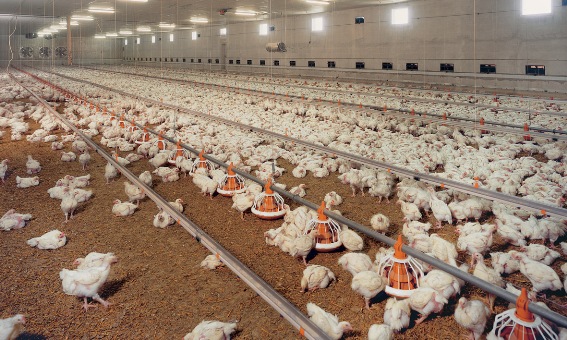
Interestingly, following their spread across Eurasia, chicken keeping did not continue in Europe after the Roman period and did not resurface until the early 19th century, when specialised poultry farms began to develop. In medieval Europe, poultry were regarded as scavenging birds and their consumption was largely confined to the lower classes. In contrast, in Central and South-West Asia, they never lost their relevance.
For further reading:
-. Peters, C., Richter, K.K., Wilkin, S. et al. Archaeological and molecular evidence for ancient chickens in Central Asia. Nat Commun 15, 2697 (2024). https://doi.org/10.1038/s41467-024-46093-2
-. History of Poultry Farming