

The WHO reaffirms that the risk of avian influenza to the general population remains low following the first death in the USA
The World Health Organization (WHO) reaffirmed on Tuesday that the risk of avian influenza to the general population remains “low”. This statement comes after the CDC (Centers for Disease Control and Prevention) reported on 6 January 2025 the first human death caused by the H5N1 virus in the USA.
The WHO has declared that the risk to the general population remains low.
During a press conference in Geneva, WHO spokesperson Dr Margaret Harris explained that the H5N1 virus “is not circulating among humans, but rather jumping to people who have close contact” with poultry or livestock. “We are not seeing sustained transmission,” she specified.
The fatality in the United States was a resident of Louisiana, aged over 65, with pre-existing complex health conditions, according to information provided by Harris. US health authorities stated that the patient had been exposed to both backyard poultry and wild birds.
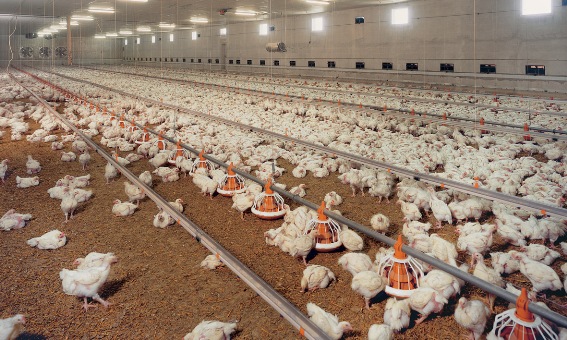
IN THE US OUTBREAK, human cases of H5N1 have primarily affected poultry workers and farm workers who have been in close contact with flocks of broilers, laying hens or turkeys, as well as cattle farmers.
While this death from H5N1 avian influenza in the United States is tragic, it unfortunately fell within the realm of what could be anticipated, as it is well known that infection with these viruses can cause severe illness and in some cases death, with the risk being considerably greater in individuals with pre-existing conditions.
As of 6 January 2025, there have been 66 confirmed human cases of H5N1 avian influenza in the United States since 2024, and 67 since 2022. This is the first person in the United States to have died as a result of an H5 infection. Outside the United States, more than 950 human cases of H5N1 avian influenza have been reported to the World Health Organization, with over 80% of cases concentrated in five countries: Indonesia, Egypt, Vietnam, Cambodia and China.
Harris also highlighted that the United States continues to carry out “extensive monitoring” of both the human and animal populations. “The methods we use for agriculture and food production must be part of a combined strategy, because there is undoubtedly a constant risk,” she clarified.
Furthermore, between 21 September and 6 December 2024, a total of 657 detections of highly pathogenic avian influenza (HPAI) A(H5N1) and A(H5N5) viruses were reported in domestic (341) and wild (316) birds across 27 European countries, according to EFSA’s latest report published on 17 December 2024.
In France, for example, two avian influenza outbreaks were reported on 27 and 28 December, just two weeks after the country officially declared itself free of the virus on 17 December.
Although the impact on French territory has not been as severe as in the United States, where the loss of entire flocks has contributed to egg prices reaching historic highs, experts continue to monitor the situation given the possibility that the H5N1 virus may increase in incidence.
To learn more:
-. Avian Influenza on NeXusAvicultura.com