
The Polish Meat Association, together with SW Research, conducted a comprehensive study of Polish consumers’ attitudes towards meat. The survey yielded some interesting findings.
Specifically, Polish men are more open to different types of meat, but both sexes unanimously consider beef to be a “masculine meat”, while poultry is considered “more feminine”: this is one of the interesting conclusions drawn from the report entitled “Preferences and opinions on meat consumption among Polish consumers” (the first study of this kind on Polish consumers’ meat preferences in recent years).
Meat plays an important role in the Polish diet, with consumers viewing meat consumption as inherent to human nature. Only 4% of the Polish population admits to eating no meat at all, while more than half consider it a staple food in their diet (57%).

Nearly 4 in 10 respondents consume animal protein but try to limit their intake (39%). This attitude is more characteristic of older individuals (55% of respondents aged over 60 and 42% of those aged 50–59, compared with 27% of respondents under 29), which may be attributed to health-related concerns.
When asked during focus group interviews why they thought people might reduce their meat consumption, older adults noted that it could be due to medical advice. Eating fried meat in particular can raise cholesterol levels, and younger respondents highlighted that their grandparents used more fat when cooking meat. Less healthy attitudes towards meat also emerged when it was associated with the most common type of meat in Polish households — poultry. The older age group associated chicken with fast food (KFC, McDonald’s) and fried wings and nuggets, while the younger group associated it with tenderness and white meat. In their responses, representatives of the younger generation emphasised their concern for inner wellbeing, expressing an attitude of listening to the signals their bodies send them.

What is the most popular meat in Poland?
In both surveys, the meat popularity ranking was the same: poultry, pork, and beef.
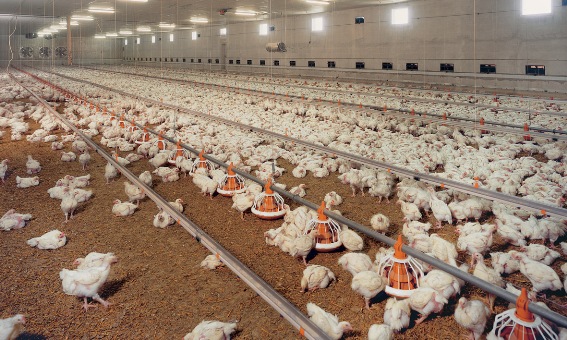
Poultry reigns supreme on Polish tables, with 91% of respondents indicating it is the type of meat they eat. It is the most frequently chosen meat among people under 39 years of age. During focus group interviews, respondents explained the immense popularity of poultry by its ease and speed of preparation, wide availability, and lowest price point.
This type of meat is associated with tenderness and softness, and with bright colours. It is also attributed a high degree of versatility, as poultry can be eaten both on everyday occasions and during festive celebrations, and its presence is evident across various world cuisines. When thinking of poultry, chicken was the product most frequently brought to mind by participants in the qualitative survey (91% of respondents).

Pork is also highly regarded among Polish consumers, ranking second in their preferences (78%). This type is associated with heavier, fattier meats. Respondents thought of classic pork loin or a more refined preparation of pork tenderloin accompanied by prunes, apricots, and apples. These more elaborate dishes were mentioned by older adults, so it comes as no surprise that respondents in this age group were considerably more likely to agree with the statement that pork is an important component of Polish culinary tradition.
By contrast, beef (which closes the Polish meat popularity ranking at 53%) is considered expensive and demanding to prepare in Poland, particularly by older consumers. For this reason, it tends to be chosen for special occasions. This attitude was reflected in the frequency of beef consumption among older adults, who were far more likely to admit to eating beef less than once a week.

On the other hand, younger adults associated beef with less healthy establishments such as McDonald’s and with greasy, unhealthy American cuisine, for which burgers are a hallmark — which may explain why younger adults are more likely to allow themselves to eat beef at least once a week.
It turns out that men are more open to different types of meat. For every type of animal protein (except poultry), men were significantly more likely to admit to eating a particular type of meat. This was most pronounced for beef (an 11 percentage point difference) and pork (a 7 percentage point difference). There was also a perception that beef was a “masculine meat”. Men appreciated the flavour of steak, while women admitted they do not particularly enjoy it, but the dish appears on their table due to their partners’ preferences.
Pork was criticised by female respondents for its negative health effects (arterial blockage, elevated cholesterol), leading them to limit their consumption. This view resonated most strongly among older women. In the qualitative survey, opinions emerged that poultry could be described as a feminine meat and beef as a masculine one. Nevertheless, both sexes consume meat on a regular basis, and among men there were also supporters of introducing occasional meat-free days, according to the study.
Source: Polish Meat Association, PortalSpożywczy.pl