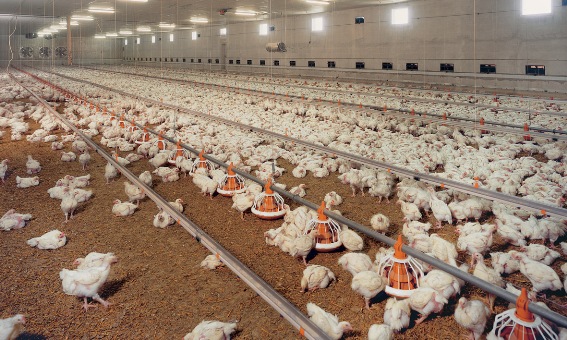

In Morocco, poultry production has undergone substantial growth over recent decades; rising from 55,000 tonnes of meat and 278 million eggs in 1981 to 625,000 tonnes and 5.5 billion eggs in 2021. Furthermore, in the year 2000 Morocco had a population of 28 million; by 2025 the population of the Alaouite Kingdom stands at 38 million, a growth of 35%. Not only has the population grown, but so has purchasing power, and it is in this context — as in so many other countries around the world in recent decades — that consumption of the king of proteins, poultry meat and eggs, has surged.
Consumption on a steady upward trend driven by demographics and changing dietary habits
Morocco underwent a remarkable socioeconomic transformation in the decade preceding the COVID-19 pandemic, with average annual GDP growth of 3.46%. This growth drove the expansion of the middle class, generating a significant shift in the population’s dietary preferences. Historically, chicken has been an affordable alternative to red meat, and with rising purchasing power and increasing urbanisation, demand for animal protein — especially of poultry origin — has seen a steady increase.
Between 2010 and 2020, per capita consumption of poultry meat in Morocco grew by 11.1%, reaching 19 kg per person annually in 2020. Likewise, egg consumption followed an upward trend, with an estimated average annual growth of 2.5% over the same period, reaching 177 eggs per capita in 2020, one of the highest rates in the MENA region. It is important to note, however, that the 2020 consumption figures reflected a decline compared to the peak recorded in 2019, when poultry meat consumption stood at 22.1 kg and egg consumption at 195 units per person.
Growing urbanisation, with 63% of the population residing in urban areas and expected urban population growth of 2% per annum, also plays a crucial role in driving demand for poultry products. Urban living brings changes in consumption habits, favouring the substitution of time-intensive dishes with processed and ready-to-eat options, which presents significant opportunities for the Moroccan poultry sector.

Poultry production: a dual sector in search of modernisation
The Moroccan poultry sector displays a marked duality between large-capacity modern enterprises with export ambitions and small-scale, undercapitalised, unregulated and inefficient production, upon which a significant portion of the population still depends. The pressure of rising consumption, driven by urbanisation, is naturally driving an evolution from backyard operations towards small- and medium-scale integrated systems, with the advent of industrial farms.
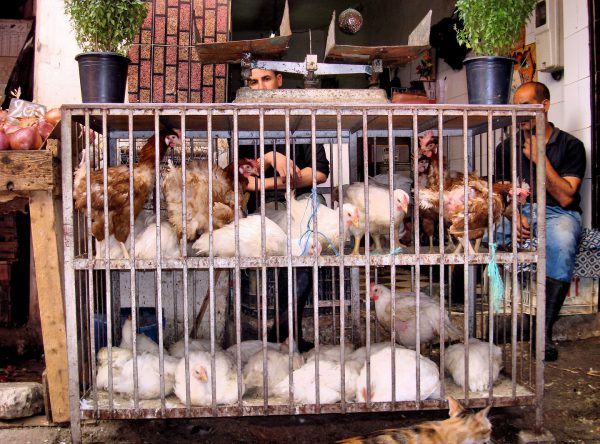
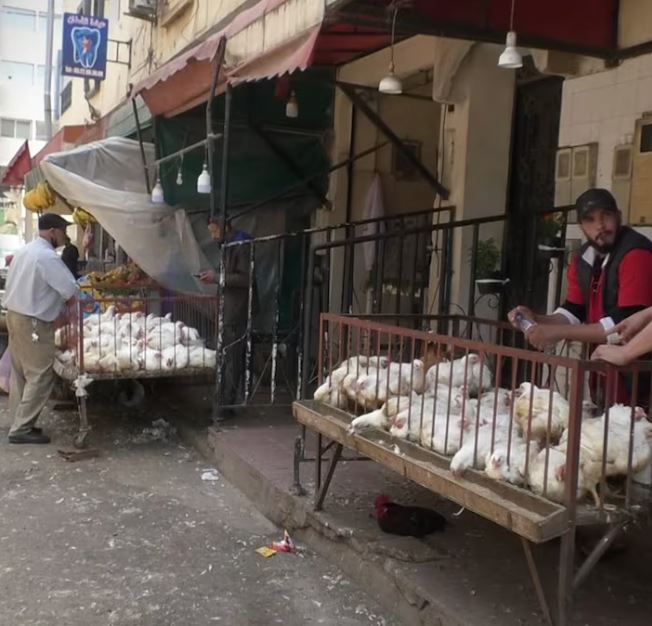
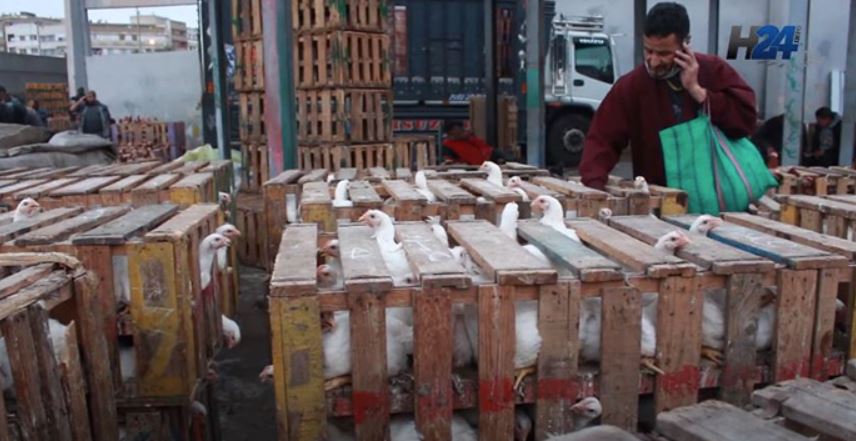
Broiler meat production has shown overall growth over the past decade, albeit with annual fluctuations. Industrial slaughterhouse processing of broiler meat, while on the rise, still accounts for a relatively low proportion of the total. In 2020, out of an estimated total broiler meat production of 535,000 tonnes, only 46,000 tonnes were processed through the 27 approved industrial abattoirs. This contrasts with turkey meat production, where 94% of the 100,000 tonnes produced in 2020 were processed through these facilities. The marked dominance of “ryachats” or local butcher shops for the slaughter and sale of fresh chicken (it is estimated that 87.5% of processed chicken supply reaches the consumer through this channel) poses significant challenges in terms of food safety and hygiene.
The Moroccan government has expressed concern over the lack of sanitary measures in the informal slaughter circuit and the potential for disease spread. Despite attempts at formalisation and the offer of subsidies to encourage “ryachats” to adopt more hygienic practices, the transition has been slow due to socioeconomic factors (the dependence of many families on this system) and cultural factors (consumer preference for freshly slaughtered chicken and distrust of large abattoirs). Nevertheless, a gradual trend towards industrially processed meat consumption is being observed, particularly among younger generations in major cities.
Regarding egg production, while consumption has increased, the Moroccan market is heavily dominated by the table egg segment, whereas the use of industrialised egg products in sectors such as bakery, confectionery and dairy production remains low, largely dependent on imports.
The feed market: import dependency with a need for optimisation
The feed industry in North Africa is among the fastest-growing in the world. In Morocco, industrial compound feed production totalled 5.1 million tonnes in 2021, with 80% destined for the poultry sector. There are approximately 40 compound feed manufacturing companies, with poultry feed being the primary product in most cases.
A critical factor in the Moroccan feed market is the high dependency on imported raw materials, which account for approximately 93% of the total. With the exception of fishmeal and certain minerals such as phosphate and calcium carbonate, the local availability of key ingredients such as maize and soybean is limited due to the arid climate and the focus of agricultural investment on higher-value horticultural crops. This dependency on international markets exposes Moroccan producers to raw material price volatility and global logistics costs.
Feed accounts for approximately 70% of poultry production costs, underscoring its strategic importance. Feed quality directly influences meat and egg quality, as well as the feed conversion ratio (FCR). There is strong competition among feed mills for market share, driving a constant pursuit of cost and quality improvement. Additionally, a significant number of layer and breeder farms have their own on-farm feed manufacturing units, jointly processing approximately 600,000 tonnes annually.
The day-old chick (DOC) market: import dependency and price volatility
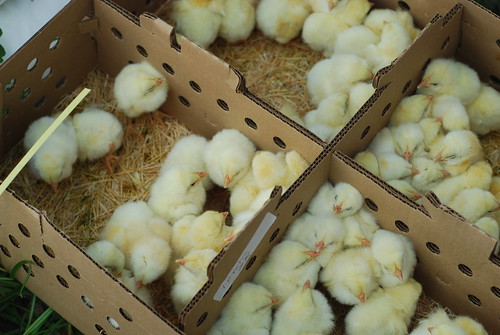
Day-old chick (DOC) production for broilers has experienced slow but steady growth in Morocco over the past decade, reaching a peak of 490 million in 2017. However, the Moroccan poultry sector remains dependent on DOC imports. DOC production for layers has been even more variable.
The quality of locally produced DOCs depends on the genetics and condition of the breeder flocks. Import dependency is reflected in the final price of poultry meat, creating a need to establish more local hatchery operations. The projected growth in broiler production, estimated at nearly 20% between 2019 and 2025, will also increase demand for hatching eggs and DOCs. Despite the existence of approximately 40 active hatcheries, the pressure to supply the market and the risks associated with importing create reasonable opportunities for new breeder and hatchery operations. The DOC market has experienced price volatility, such as the significant increase observed in the third and fourth quarters of 2021 due to underproduction at commercial hatcheries.
Poultry opportunities offered by Morocco for collaboration and investment
Analysis of the Moroccan poultry market reveals a number of significant commercial opportunities that can be leveraged by domestic and international investors, particularly through collaboration to address existing constraints.
In the meat processing sector:
- Modernisation of slaughter facilities: There is an urgent need to upgrade existing slaughter facilities and establish new industrial plants that meet international food hygiene and safety standards. This includes the provision of slaughter equipment, chain control systems and staff training.
- Cold chain development: Inadequate cold chain infrastructure is a barrier to the distribution of industrially processed poultry meat. Investment in refrigerated transport, storage and retail points is critical.
- Further processing: There is untapped potential for the development of further-processed poultry products with higher added value, such as fillets, marinated products, charcuterie and prepared meals, responding to the convenience demands of the growing urban population.
- Local MSM (mechanically separated meat) production: The strong demand for MSM, currently met primarily by imports, presents an opportunity for companies with the technology and equipment required for local production.
- Slaughter by-product management: The current prohibition on recycling slaughter by-products into feed, on sanitary grounds, represents an opportunity to develop waste processing systems that comply with standards and allow protein recovery for animal feed, contributing to sustainability and reducing dependency on imported raw materials.
In the egg production sector:
- Promotion of egg processing: The low percentage of processed eggs in Morocco, compared to the European Union, indicates significant potential for growth in this sector. Investment in egg processing plants for the production of pasteurised liquid egg, dried egg powder and other egg derivatives can meet the growing demand from the food industry and the HORECA sector.
- Technologies for improved production and quality: The implementation of modern technologies on layer farms can improve efficiency, egg quality and animal welfare.
In the feed sector:
- Equipment and technology for quality and efficiency improvement: Demand for high-quality, competitively priced feed drives the need for feed testing equipment and quality control technologies.
- Training and consultancy in feed formulation and production: A significant proportion of feed is produced at farm level, creating opportunities for training and consultancy services in feed formulation, mixing and quality control.
- Development of alternatives to imported raw materials: Research and development of local or regional alternatives to imported raw materials such as maize and soybean, or optimisation of the use of locally available raw materials (barley, oats, sugar beet), could reduce dependency on global markets and price volatility.
In the day-old chick (DOC) sector:
- Establishment of breeder and hatchery operations: The dependency on DOC imports and the projected growth of broiler production offer a clear opportunity for investment in the creation of new local breeder farms and hatcheries. This could improve self-sufficiency, reduce costs and ensure a more stable supply.
- Knowledge and technology transfer in poultry genetics: Collaboration with companies specialising in poultry genetics can contribute to improving the quality and performance of local breeds.
A country where much still remains to be done to achieve a more efficient poultry industry, but one that presents a degree of geopolitical volatility having prioritised the USA over Europe.
The success of investments in the Moroccan poultry sector will depend on several critical factors, including government policy and regulations. Active government support for the modernisation of “ryachats”, medium-sized operations and egg processors, as well as potential protection for feed producers and hatcheries against foreign exporters, will be fundamental. The implementation of the provisions of Law 49/99 on sanitary protection, production and marketing of poultry, and the monitoring of the objectives of the “Generation Green 2020-2030” programme and the new framework agreement with FISA for the period 2022-2030, are indicators of the government’s commitment to developing the sector.
The previous Green Morocco Plan (2008-2020) proved to be an important driver of investment in the agricultural sector, including agro-industry and value-added industries. The programme’s objectives — such as ensuring food security in animal protein, modernising rearing units, improving marketing and increasing exports — achieved significant progress. The continuation of incentives and subsidies for industrial slaughter equipment, packaging units, poultry exports and egg processing within the new framework will be crucial for attracting new investment.
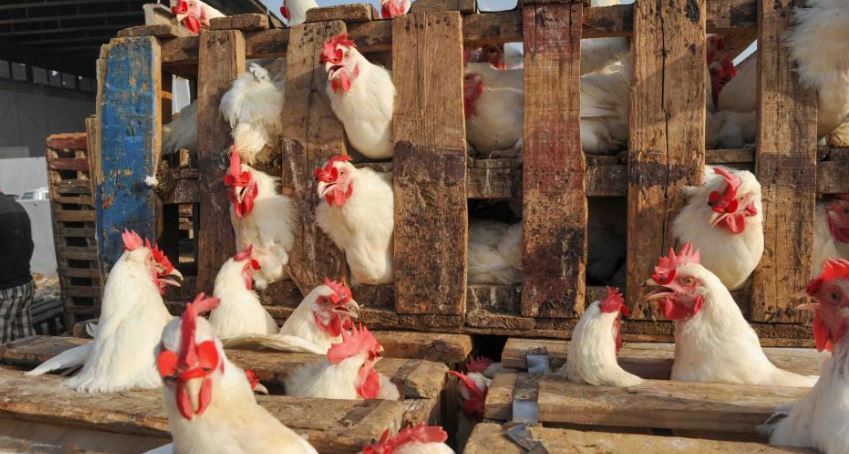
Furthermore, knowledge transfer and improvement of practices at local level are essential. While large export-oriented enterprises have a high level of expertise, the local market could benefit from training courses and the adoption of best practices. Access to sector-specific financial services for medium-sized operations is also fundamental to facilitating modernisation.
The Moroccan poultry market is at a moment of transition and consolidation, driven by growing demand, the need for modernisation and firm government support. While significant challenges exist — the first geopolitical, namely the pro-Morocco shift of the US Government in seeking a strong ally in North Africa, and the second operational, particularly in formalising meat processing and reducing dependency on imports of raw materials and DOCs — these same challenges translate into promising commercial opportunities for companies with the appropriate expertise, technology and strategic vision.
Source:
-. Poultry Sector in Morocco. Opportunity Identification study. NABC.
Further reading:
-. Backyard Poultry Flocks in Morocco: Demographic Characteristics, Husbandry Practices, and Disease and Biosecurity Management (2023)
-. Maroc: Données chiffrées du secteur avicole moderne 2012-2021
-. Economic analysis of the traditional Beldi Chicken value chain in Morocco. (2023). Mohamed SMAITI et cols. Moroccan Journal of Agricultural Sciences