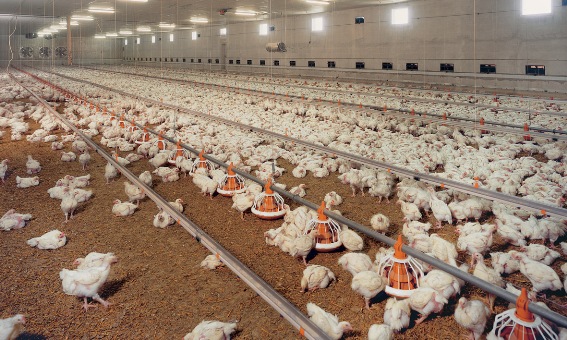


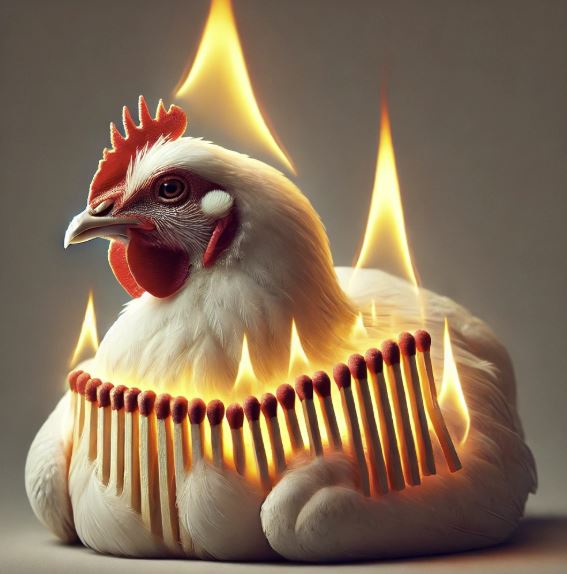
A fast-growing broiler produces a surprising amount of heat, approximately 22 to 35 Kcal/hour per kilogram of body weight. To put this in perspective, a single match produces 0.25 Kcal/hour of heat, which means that a 1.8 kg broiler produces the equivalent of 40 to 60 matches worth of heat inside its body, and a 3.6 kg bird between 80 and 120 matches — heat that must be continuously dissipated to maintain a normal body temperature.
As a bird’s body temperature rises, its feed intake decreases. This is essentially because it is the digestion of feed that generates heat inside the bird, which can lead to dangerously elevated body temperatures. It is therefore logical that a bird with a high body temperature will tend to reduce its intake of the very thing — feed — that is causing those elevated temperatures. After all, what do we humans do after a large meal on a hot summer afternoon?
In broilers, a reduction in feed intake leads to a slower growth rate. It is quite straightforward: if we want to maximise bird performance, we must create an environment where birds can easily shed the excess heat they are producing.
A recent study conducted on a commercial broiler farm has provided a clear illustration of the relationship between body temperature and weight gain during the final week of the grow-out. Eight birds from the same house within a flock, aged 34 days, ingested a small temperature logger that recorded their body temperatures every minute.
The birds were individually weighed and placed in a pen within the house until they were caught five days later, at which point they were weighed again (Table 1). Air temperatures inside the house were recorded every minute and ranged between 24 °C and 29 °C; air velocity was measured at 1.2 m above the pen and was approximately 150 m/min.
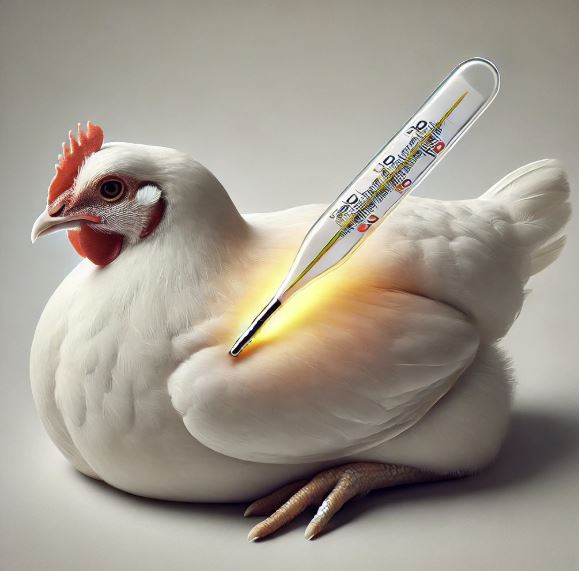
Table 1. Bird weights and weight gain (g)
Bird No. Day 35 Day 39 Difference
________________________________________________
1 1,925 1,825 – 100
2 1,852 2,184 332
3 1,903 2,220 317
4 1,875 1,875 000
5 1,998 2,324 326
6 1,916 2,542 626
7 1,893 2,228 335
8 1,925 2,470 545
Average 1,911 2,211 300
The weight gain of each bird over the five days of the study is shown in Figure 2, alongside its average body temperature. The normal deep body temperature of a broiler is 41.1 °C. The average temperature of the birds during the study ranged from 41.3 °C (normal) to 42.6 °C (very high). The two birds with average body temperatures above 42.2 °C did not gain weight during the study (one of them actually lost weight). The two birds with the lowest average temperatures (approximately 41.3 °C) showed the greatest weight gain, at around 590 g. There was no correlation between initial body weight and body temperature, which is likely attributable to the minimal difference in starting weights among the birds.

As documented in this and in previous field studies, there is significant variation in body temperatures among birds within a house.
This variation may be attributable to:
– differences in location within the house,
– stocking density in the vicinity of a given bird,
– bird size,
– genetics,
– growth rate,
– health status,
– etc.
For example, the bird with the highest body temperature was found to have a mild respiratory infection. Another bird with an average body temperature above 42.2 °C likely had some other underlying health issue, although its post-mortem examination revealed no apparent pathological findings.
The fact is that, whether an elevated body temperature in a bird is caused by disease or by the inability to dissipate heat due to high ambient temperature or relative humidity, the bird’s response will be the same: it will consume less feed, resulting in reduced weight gain.
The objective of environmental management during hot weather is quite straightforward: to ensure that sufficient heat is removed from the birds through the use of air velocity and evaporative cooling, so that birds do not need to reduce their feed intake in order to limit heat production.
If a bird has to attempt to lower its body temperature, its performance will be compromised and, consequently, so will its feed intake, which will reduce its growth. The greater the amount of heat we remove from the birds, the more likely they are to maintain a stable body temperature and continue eating enough to maximise weight gain and overall performance.

Should we therefore be concerned about over-cooling market-age broilers during summer?
In most cases, no.
A fully grown bird has far greater capacity to limit its heat loss than to increase it.
For example, a broiler can dramatically reduce its heat loss simply by fluffing its feathers. The air trapped between the feathers increases their insulation value, reducing heat loss from the bird even with high levels of air movement across its body.
Birds may sit closer together or tuck in their wings, further reducing their potential heat loss. Compared with a bird’s primary method of shedding excess heat — panting — these heat conservation behaviours require very little effort.
As a result, with market-age broilers it is far safer to maximise air movement over them throughout the 24-hour period, rather than, for example, switching off some fans at night for fear of “chilling” them.
Source:
Michael Czarik and Brian Fairchild. Poultry Housing Tips, vol. 35, no. 10.