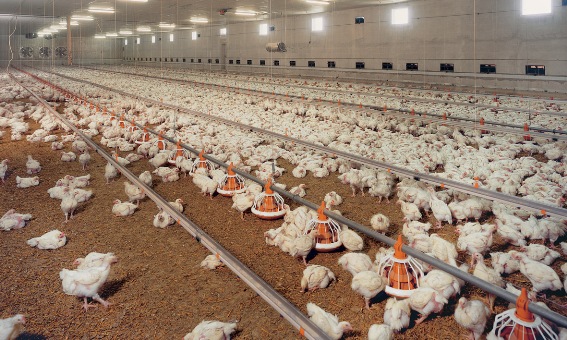


The state of Arizona is delaying the implementation of its cage-free production law in response to high egg prices; Nevada paused enforcement in February and a Michigan bill is seeking a repeal.
With high consumer demand for eggs and a reduction in egg supply due to the ongoing effects of highly pathogenic avian influenza (HPAI) outbreaks across the USA, some states are hitting the “PAUSE button” on their new laws that set an end date for caged egg production.
Cage-free production laws are already in effect in California, Massachusetts, Nevada, Washington and Oregon; the requirements for Arizona, Colorado, Michigan and Utah just came into force on 1 January 2025.

Nevada. Nevada took action earlier this year to address egg supply pressures and high prices with a bill authorising the state quarantine officer to order a temporary suspension of up to 120 days of state requirements relating to cage-free production and the sale of eggs “during an ongoing event that negatively impacts the national supply chain of egg products or shell eggs”, such as a national disaster or an animal disease outbreak.
Dr J.J. Goicoechea, Director and State Quarantine Officer of the Nevada Department of Agriculture, announced the temporary suspension of Nevada’s cage-free hen egg law effective 20 February 2025, declaring that “eggs for retail sale may come from any egg producer that meets food safety guidelines, regardless of whether the eggs originated from hens in a cage-free housing system”. Nevada regulations requiring that all eggs sold in the state come from cage-free hens took effect on 1 January 2024. As HPAI continues to impact the poultry industry, particularly cage-free egg producers, the supply of these eggs has been significantly reduced, the department stated.
“When families cannot find eggs on the shelf, and when they do the prices are not affordable, this can leave them without an essential food they depend on,” said Goicoechea.
“This egg shortage did not happen overnight, and we cannot solve it overnight,” Goicoechea added. “We anticipate approximately 30 days before we can secure new contracts and begin to see an increase in the supply of eggs on shelves, and hopefully lower prices as availability increases.”

Michigan. Republican state Senator Lana Theis introduced a bill at the end of January to repeal Michigan’s new cage-free hen egg mandates in a “measure aimed at reducing burdens on poultry farmers and providing relief to consumers facing sky-high prices”. The bill seeks to repeal the requirement that eggs sold in Michigan come from cage-free hens and to eliminate the mandate for egg producers to raise their hens in cage-free systems.
“Cage-free systems require birds to roam freely in open spaces, which increases their exposure to pathogens such as the highly contagious H5N1 virus,” said Theis. “When wild bird droppings contaminate these environments, it becomes much easier for the virus to spread, forcing farmers to depopulate entire flocks and prolonging the egg supply crisis.”
Furthermore, cage-free egg production is significantly more expensive, requiring higher labour, housing and operational costs, which are then passed on to consumers, the senator said in a press release.
“We cannot promise that this legislation will immediately reduce egg prices, but we can remove one of the contributing factors to the financial pressure on both farmers and families,” said Theis. The bill was referred to the regulatory affairs committee but has not yet been passed.
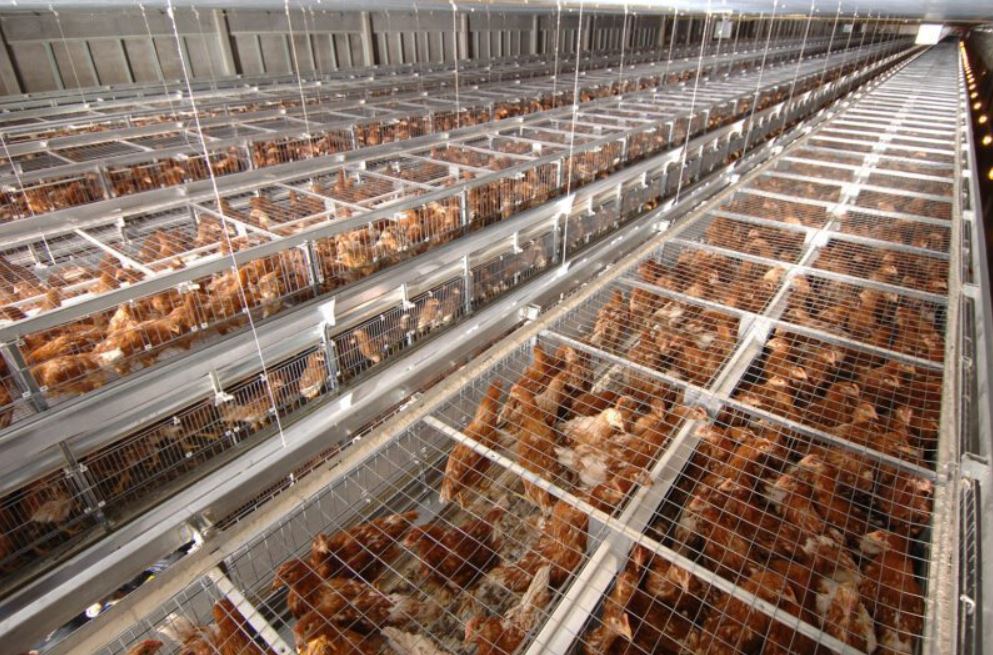
Arizona. Arizona is the most recent state to announce this postponement, with Governor Katie Hobbs directing the Arizona Department of Agriculture to initiate a rulemaking process that would delay the implementation of the state’s cage-free hen egg rule by seven years. Hobbs said the action is in response to rising egg prices.
“Like many Arizonans, I am concerned about the cost of groceries,” Hobbs said in a 21 March announcement. “Avian flu is devastating chicken populations and causing egg prices to skyrocket, and disappear from supermarket shelves entirely in many cases. That is why I am taking action to reduce costs and remove regulations that make working families pay more.”
Under current policy, the cage-free hen egg rule would take effect on 1 January 2027. By delaying implementation, Arizona egg producers will not be forced to halt production while converting facilities to cage-free systems amid an avian influenza outbreak that has only worsened in recent months. This action will allow Arizona egg producers to focus on increasing production and reducing the cost of eggs in Arizona grocery stores, the press release explained.
Arizona Department of Agriculture Director Paul Brierley said the department “will begin working immediately on this rulemaking process” and is “committed to working productively with poultry farmers”.
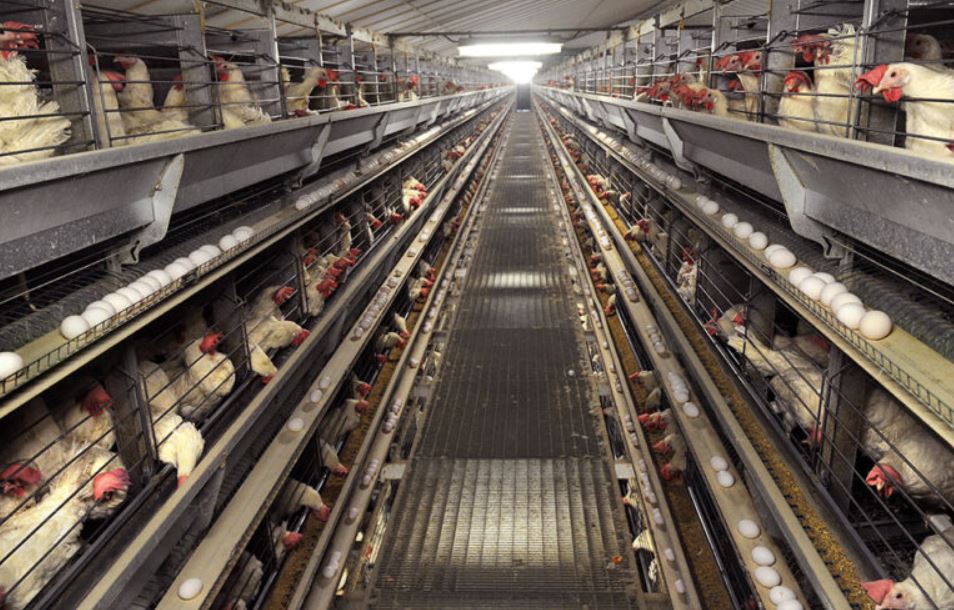
Higher production costs, farm downtime during conversion and the current egg shortage due to avian influenza: the 3 reasons that have led to activating this PAUSE
Converting conventional housing to cage-free systems is costly for both egg producers and consumers, with higher labour and construction material costs, as well as downtime during the transition, according to a study conducted by researchers from Michigan State University, Purdue University and Kansas State University, with support from United Egg Producers, The Food Industry Association–FMI and United Egg Association.
In addition, researchers surveyed egg producers on various factors, including disease risk, and found that diseases can be more common and widespread in cage-free systems because birds have greater contact with other birds and faecal matter, and may require more testing and a “more intensive vaccination programme”, representing additional costs.

Avian influenza in the USA has led to the culling of millions of laying hens across the country, causing egg prices to rise to historically high levels. U.S. Department of Agriculture (USDA) economist Rod Bain discussed egg prices in a radio interview with Agriculture Secretary Brooke Rollins and USDA Chief of Staff Kailee Buller. Although still high, Rollins noted that egg prices are “moving in the right direction, barring any significant unforeseen depopulation events”. The wholesale price has fallen approximately 50% from its peak in February, when the USDA announced details of its avian influenza strategy. Egg imports from Turkey and South Korea are also helping somewhat. However, Rollins noted that there is a time lag between wholesale prices falling and buyers beginning to see prices drop at the retail level.