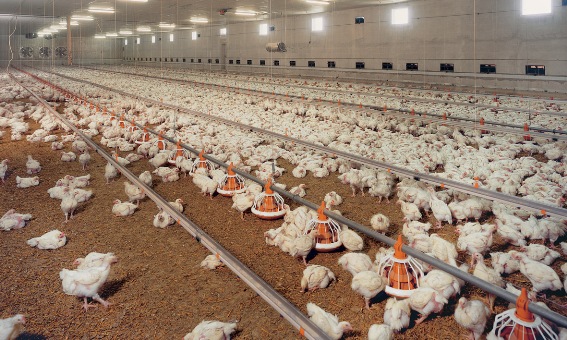

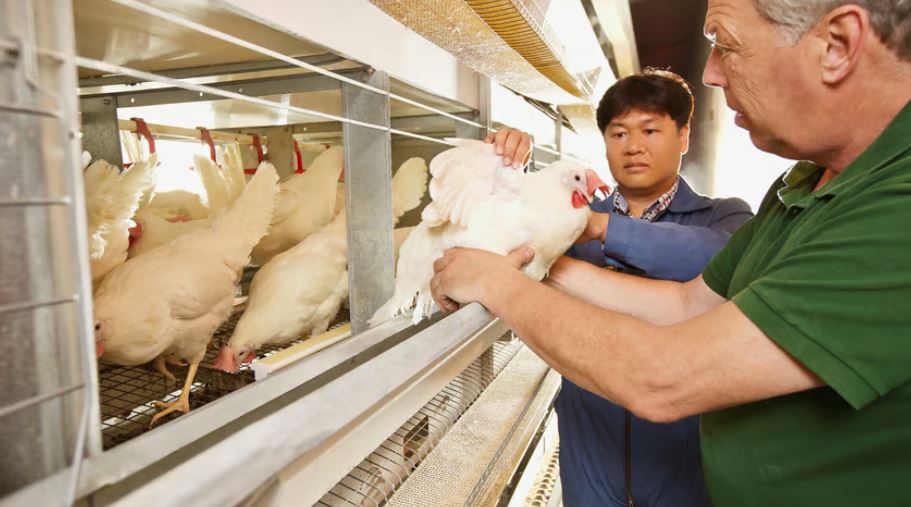
With egg prices in the United States soaring due to the spread of the H5N1 influenza virus among poultry, the “Center for Veterinary Biologics (CVB)” of the United States Department of Agriculture (USDA) conditionally approved, on 13 February, a vaccine to protect production birds. It is therefore possible that, faced with the pressures it is receiving, the Donald Trump administration may soon face the complex decision of whether to join the ranks of other nations — including China, France, Egypt and Mexico — that vaccinate poultry against H5N1.
Since February 2022, more than 150 million production birds (layers, broilers, turkeys, etc.) have been affected by avian influenza, distorting the market and causing egg prices never seen before.
A conditional licence is used to respond to an emergency condition, limited market, local situation or other special circumstance, and is issued for a finite period of time. Conditional licences may be renewed at the discretion of the CVB.
The ZOETIS vaccine approved for use by the USDA is indicated for use in long-lived birds, including heavy and light breeders, commercial laying hens, turkeys and ducks. It is an inactivated vaccine suspended in a water-in-oil emulsion that also contains an adjuvant. The vaccination protocol recommends two doses (0.5 mL each) administered subcutaneously or intramuscularly, inducing long-duration immunity that protects against the H5N1 virus and reduces its shedding. This vaccine contains an H5N2 virus created by reverse genetic engineering and has been adapted to the H5N1 clade 2.3.4.4b virus.
Although many avian influenza researchers argue that vaccination can help control the spread of the virus, the US government has long resisted allowing its use due to political and trade concerns that many contend are not scientifically grounded.
The USDA approval may signal a policy shift linked to the pressures the Trump administration is facing to curb the unprecedented egg prices in the USA.
In any event, the possible initiation of any mass vaccination programme would take time; even with the conditional approval already granted, the USDA must still authorise its use before the vaccine can be administered, as special regulations apply to H5N1 and other highly pathogenic avian influenza (HPAI) viruses.
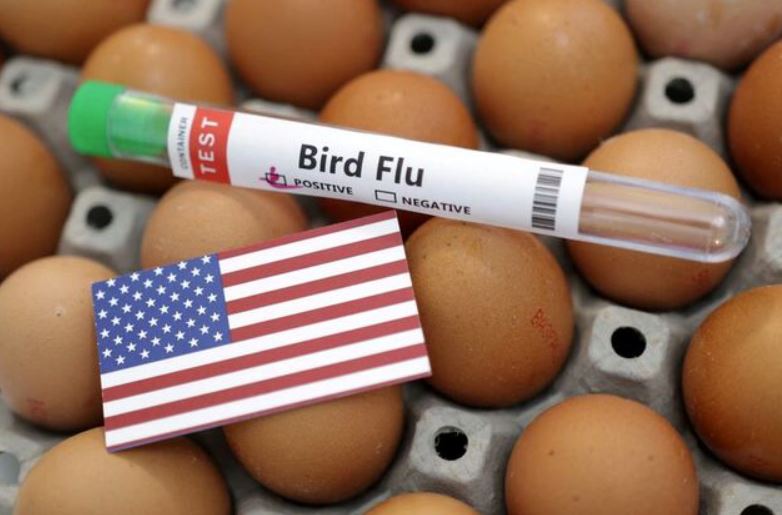
The vaccine, manufactured by Zoetis, contains a killed version of an H5N2 variant that the company has engineered to work against circulating strains of the H5N1 virus that have decimated poultry flocks and have even spilled over into cattle and some humans. Researchers at the US Centers for Disease Control and Prevention have reported that three cattle veterinarians harboured antibodies against the H5N1 dairy cattle virus, although none of them had symptomatic disease, suggesting that the virus may be more widespread in humans than previously thought.
Zoetis CEO Kristin Peck, upon announcing the vaccine approval, stated that the decision to vaccinate commercial poultry flocks rests solely with national regulatory authorities in consultation with their local poultry sector, adding that Zoetis holds approval for similar vaccines in other countries.
For decades, HPAI strains such as the current H5N1 have been largely eradicated through the depopulation of affected flocks and the implementation of strict biosecurity measures. However, that strategy has failed since the emergence in February 2022 in the USA of an H5N1 virus belonging to a lineage known as clade 2.3.4.4b. Many scientists now fear that the virus cannot be eradicated from US poultry flocks, meaning it has become endemic rather than epidemic.
“The future of H5 in the Americas is not entirely clear, but endemicity seems likely,” says Richard Webby, an avian influenza researcher at St. Jude Children’s Research Hospital. “Updated, high-quality H5 vaccines for poultry must be an important part of future responses, if this is indeed the case.”
For further information:
-. Vaccination in poultry against avian influenza
-. “Zoetis Receives Conditional License from USDA for Avian Influenza Vaccine, H5N2 Subtype, Killed Virus, for Chickens“