
AVIANZA warns of the risks posed by the Mercosur-EU agreement for the poultry sector
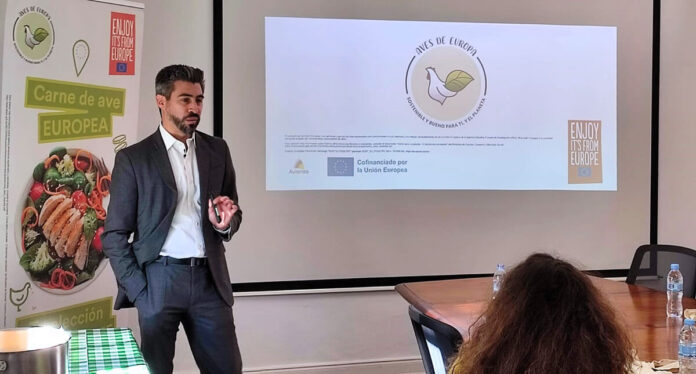
nnnnThe Secretary General of AVIANZA, Jordi Montfort, has analysed for Cárnica the impact of the agreement between the European Union and Mercosur. The Spanish and European poultry meat sector maintains a position of outright rejection. According to Montfort, this agreement represents “unfair competition from overseas markets” and puts at risk the animal welfare standards achieved in Europe.
nnnnAn attack on Spanish production
nnnnThe agreement will allow the entry of an additional 180,000 tonnes of poultry meat into the EU market. Montfort warns that this measure is an “attack on the sector’s productive capacity”.
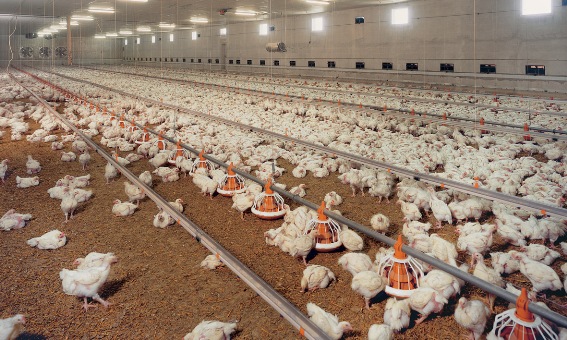
nnnnIn real terms, these figures are equivalent to approximately “ceasing to produce 300 million chickens per year in the European Union, meaning some 6 million chickens per week that will no longer be produced in the EU”.
nnnnSpain, as the EU’s second-largest producer, will be particularly hard hit by this loss of competitiveness if the European Commission’s support measures do not reach farmers directly, notes the Secretary General of AVIANZA.
nnnnHealth concerns and lack of reciprocity
nnnnThe disparity in production standards is one of the issues of greatest concern to AVIANZA. European producers comply with stringent requirements on sustainability and antibiotic use that are not guaranteed in imported meat.
nnnnMontfort points out to Cárnica that “significant concerns exist on sanitary matters”, particularly regarding avian influenza surveillance and the use of chemical decontamination methods that are prohibited in the EU.
nnnn“We do not sell water at the price of meat”
nnnnOne of the most critical issues highlighted by the Secretary General is the difference in carcass chilling methods. In Mercosur, water immersion is used, which increases the product’s weight by between 7% and 8%. By contrast, the EU uses air chilling exclusively, a more costly but transparent system. Montfort is unequivocal in his statements: “In the EU, we do not sell water at the price of chicken meat”.
nnnnDemand for transparency
nnnnIn response to this situation, the sector is calling for “clear communication” to citizens about the origin and standards of what they consume. Only in this way will it be possible to protect the commitment to healthy food and the values that Europe has upheld for decades.
Source:
-. Cárnica de Comunicación, 14 January 2026