
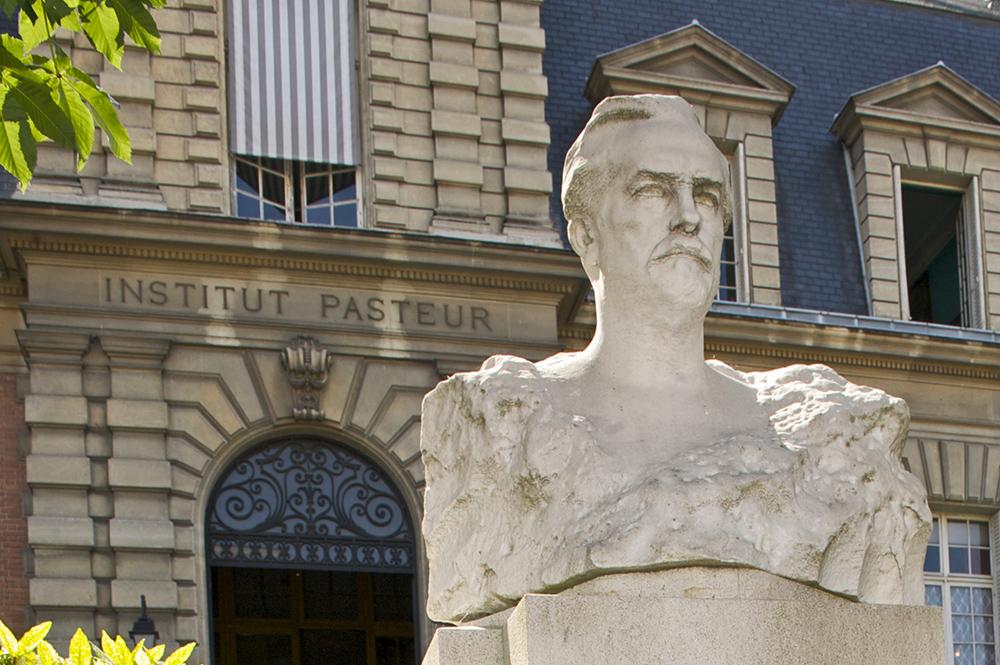
The Institut Pasteur of France has warned that H5 avian influenza, which is currently spreading among birds and some mammals, could mutate and trigger a pandemic potentially more severe than COVID-19 if it achieves human-to-human transmission. Although health authorities consider the immediate probability to be low, they point out that gaps in surveillance, vaccine access and worker protection make preparedness a matter of social equity and urgent political action.
Scientific concerns and risks
Marie-Anne Rameix-Welti, director of the respiratory infections centre at the Institut Pasteur, told Reuters that researchers fear the highly pathogenic H5 virus, circulating among wild birds, poultry and some mammals, could evolve to achieve sustained human-to-human transmission. Unlike the coronavirus, influenza viruses can cause severe illness in healthy individuals, and the population has little or no immunity against H5 strains.
The warning reflects a well-known paradox in public health: although the current risk of an H5 pandemic is low, the consequences could be devastating. Experts and the World Organisation for Animal Health (WOAH) stress that, while surveillance systems, candidate vaccines and antiviral stockpiles exist, planning must prepare for the worst-case scenario, not just the most likely one.

A concerning case in the USA
The alert follows the confirmation in November 2025 of the first human case of H5N5 in the USA (Washington State), which has rekindled attention on the virus’s capacity to jump between species. Although human infections with avian influenza are not new, sustained human-to-human transmission would represent a dangerous shift in its behaviour and its public health implications.
Clinical and operational challenges
An H5 pandemic would present different challenges from those posed by COVID-19:
- Lack of immunity: Unlike seasonal influenza, the general population has no prior exposure to H5, which could lead to severe illness across all age groups.
- Pressure on healthcare systems: In the wake of the COVID-19 crisis, many health systems remain under-resourced, with risks around intensive care, antiviral supply and oxygen provision.
- Inequity in vaccine access: Although candidate vaccines exist, production and distribution capacity tends to favour wealthier countries, leaving marginalised communities and low-income countries in a position of vulnerability.
Equity and the One Health approach
Public health specialists are urging the adoption of a “One Health” approach (integrating animal and human surveillance) and are calling for:
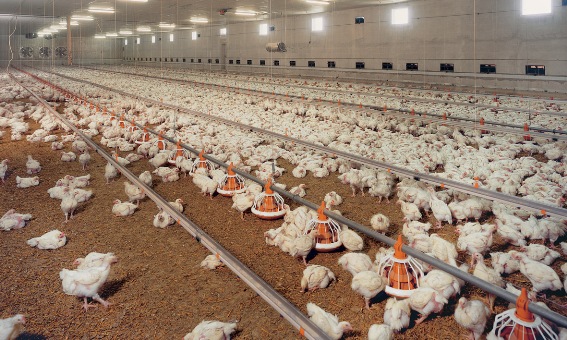
- Strengthening the protection of agricultural workers (exposed to the virus through contact with poultry).
- Investing in scalable vaccine production, prioritising equitable access.
- Improving genomic surveillance and rapid diagnostics to detect dangerous mutations in time.
- Funding community programmes to raise awareness and enable rapid response.
A call not for panic, but for vigilance
Current political decisions will determine whether the world treats H5 as a manageable animal health problem or as a missed opportunity that exposed systemic vulnerabilities.
The Institut Pasteur’s warning is a call to act with scientific caution and social responsibility, demanding that governments and institutions:
1) Strengthen surveillance.
2) Guarantee vaccines for all.
3) Protect frontline workers.
To learn more:
-. Avian Influenza on NeXusAvicultura