
Population growth, higher per capita consumption, legislative bans in some states (California) on cages for laying hens, pressure from some major retailers to source exclusively from cage-free systems, the persistence of avian influenza, its spread to other species, and the complexity of establishing a safe and scientifically proven vaccination strategy against HPAI are undoubtedly, among others, some of the causes of the “cocktail” that has shaken the egg industry in the USA.
Crisis in egg supply in the USA: the persistence of HPAI, the challenges of cage-free production systems, and rising consumption have compounded the problem
Despite the apparent opportunity for solid margins in the US poultry industry, laying hen producers find themselves in one of the most challenging periods in their history. From a European perspective, it is clear that the situation being experienced in the United States has implications that may resonate in the international market, and serves as a warning to the poultry sector in general — because what is happening in the USA could happen tomorrow in any other country.
“HPAI has affected more than 100 million laying hens over the past three years, reducing the flock in the USA by 8%.”
The Persistent Threat of HPAI
Highly pathogenic avian influenza (HPAI) has become a constant threat to egg production. Over the past three years, the US laying hen industry has experienced an 8% decline in the laying hen population, translating into more than 100 million birds affected as a result of mandatory culling on farms impacted by HPAI.
“Per capita egg consumption has increased by 20%, surpassing 300 eggs per year, driven by new market trends.”
It is worth recalling that, prior to 2022, the last large-scale outbreak had been recorded in 2015, when more than 40 million hens — representing 13% of the total commercial flock — were affected during a period of seasonal incidence.

Birds culled / lost to avian influenza (turkeys, broilers, and laying hens). Source: USDA and COBANK estimates.
However, the current epidemic has broken the seasonal pattern. Since February 2022, HPAI has been detected almost continuously across all 50 states, affecting not only poultry but also other species, such as dairy cattle.
In the last quarter (1 November 2024 to 31 January 2025), an estimated 45 million birds were affected, of which 70% (31.5 million) were laying hens destined for table egg production. Although commercial operators are working intensively to restock laying farms that have been completely depopulated, the reality is that the situation remains deeply concerning.
Would so many birds have been affected had the number of laying hens housed in cage-free systems not quadrupled?
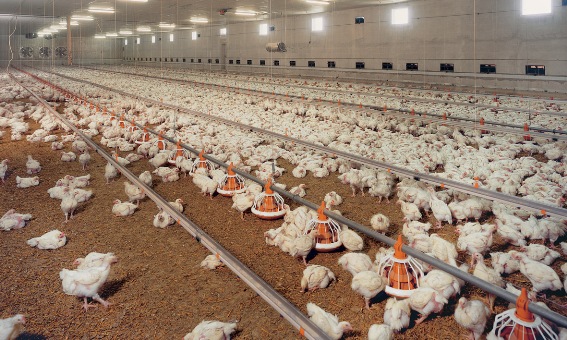
A factor that further complicates the picture is the growing commitment to cage-free production systems. Currently, more than 120 million laying hens are housed in cage-free systems in the United States, a figure that contrasts sharply with the 30 million recorded in 2015 during the last HPAI outbreak. While some analysts argue that birds in cage-free systems may be more susceptible to infection, others maintain that modern facilities with enhanced biosecurity measures can mitigate this risk.

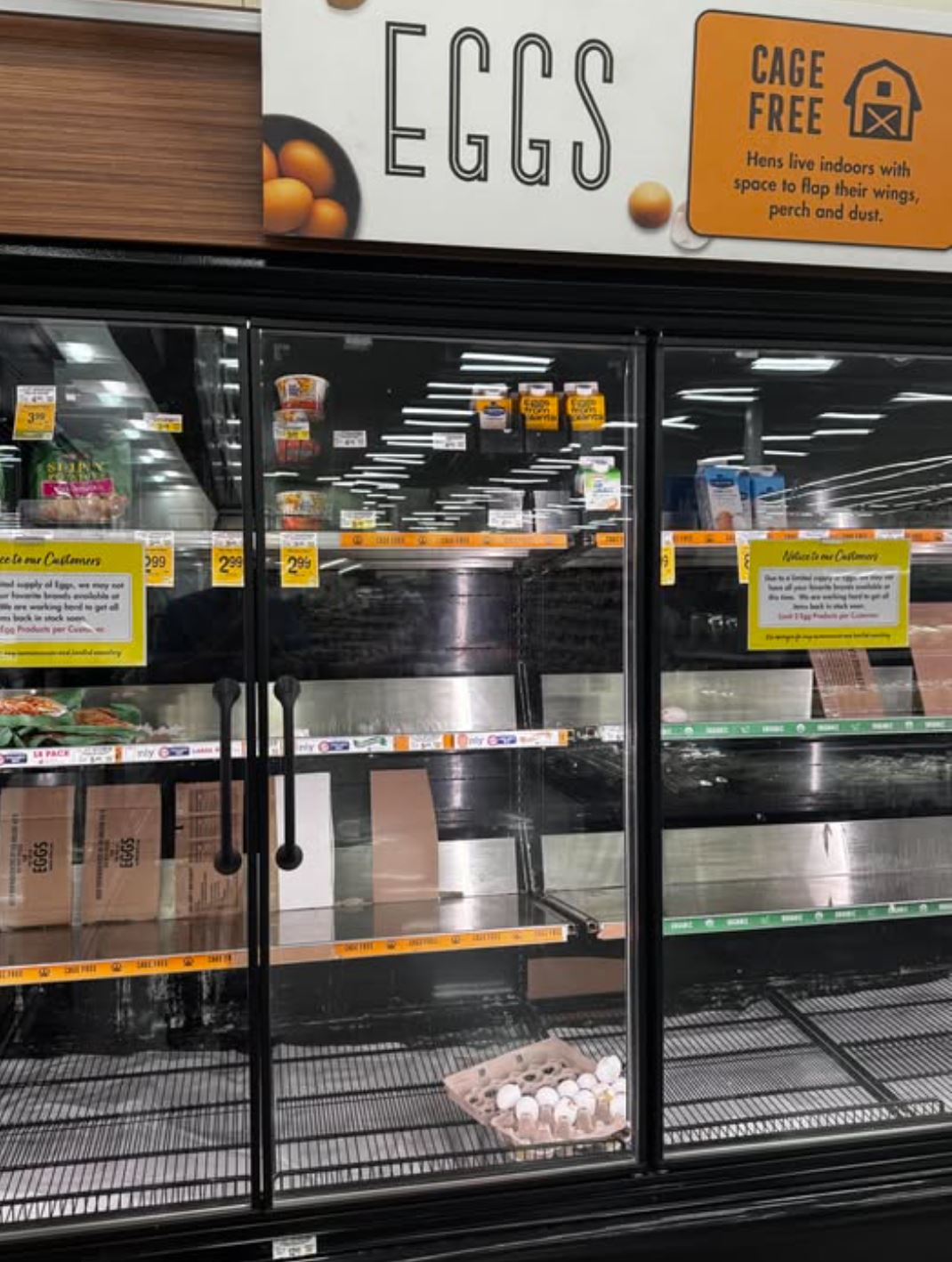
“Egg prices have risen by 250% since 2019, with projections pointing to continued increases in the first quarter of 2025.”
The drive towards cage-free production originated from corporate commitments and state legislation enacted between 2014 and 2017, with 2017 studies projecting the need for nearly 220 million cage-free hens by the 2025–2026 period. With supply already well below these targets, production losses caused by HPAI have exacerbated the market imbalance. A clear example is California, where between 12 November and 31 December 2024 more than 9 million commercial laying hens were affected, significantly impacting the state’s production. Moreover, in that state, as in eight others (Arizona, Colorado, Massachusetts, Michigan, Nevada, Oregon, Utah, and Washington), legislation requires that eggs be sourced exclusively from cage-free systems, implying a demand exceeding 70 million hens and representing more than 50% of the total cage-free sector.
Per capita egg consumption has continued to rise without interruption
Egg demand has seen a marked increase in recent years. Between 2016 and 2019, per capita consumption in the United States grew by 20%, rising to more than 300 eggs per year, partly due to the popularity of specialty products such as cage-free eggs.
Traditionally, from the early 2000s through to 2012, consumption held at around 255 eggs per person. However, the emergence of the “all-day breakfast” concept and product innovation have driven this increase, transforming the egg into a key ingredient in new culinary offerings.

At the same time, prices have experienced unprecedented volatility. During the first part of the 2000s through to 2019, egg prices ranged between $1.00 and $2.00 per dozen. By 2024, however, the average retail price reached $3.17 per dozen, peaking at $4.15 in December 2024 (a 65% year-on-year increase). In wholesale markets, particularly in the US Midwest, prices have exceeded $7.00 per dozen, suggesting that the upward trend could continue through the first quarter of 2025, if not beyond.
In this context, will the USA facilitate the import of eggs from Mexico, Brazil, or Europe?
Although the total laying hen flock has not declined drastically compared to pre-outbreak levels, population growth and rising per capita consumption have left supply well below demand. The expansion of the specialty egg segment — particularly cage-free eggs — has further intensified this imbalance. Combined with the persistence of HPAI, which continues to affect a significant portion of the sector, supply stability for consumers appears complicated, and a return to pre-2022 levels looks unlikely in the medium term.
For further reading:
-. Avian Influenza by USDA (APHIS)
-. Poultry farming in the USA