
The British Poultry Council (BPC), the voice of the poultry meat sector in the United Kingdom, has formally called on the British Parliament to recognise food production as a matter of national security and treat the poultry sector as a fundamental part of the UK’s Critical National Infrastructure (CNI). This call is the central pillar of the BPC’s 2025 Annual Report, which outlines the minimum operating conditions required to ensure a safe, productive and resilient poultry meat sector.
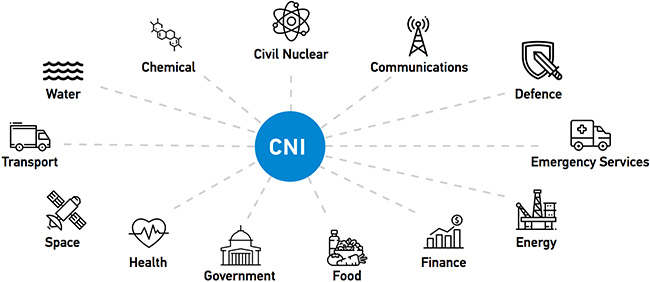
The 13 official sectors of the UK’s Critical National Infrastructure (CNI) include: energy, water, communications, healthcare, transport, financial services and emergency services, as well as government, food, civil nuclear, space, chemicals and defence.
A pillar of national food security
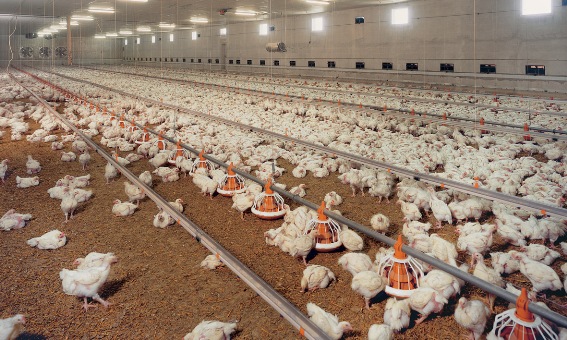
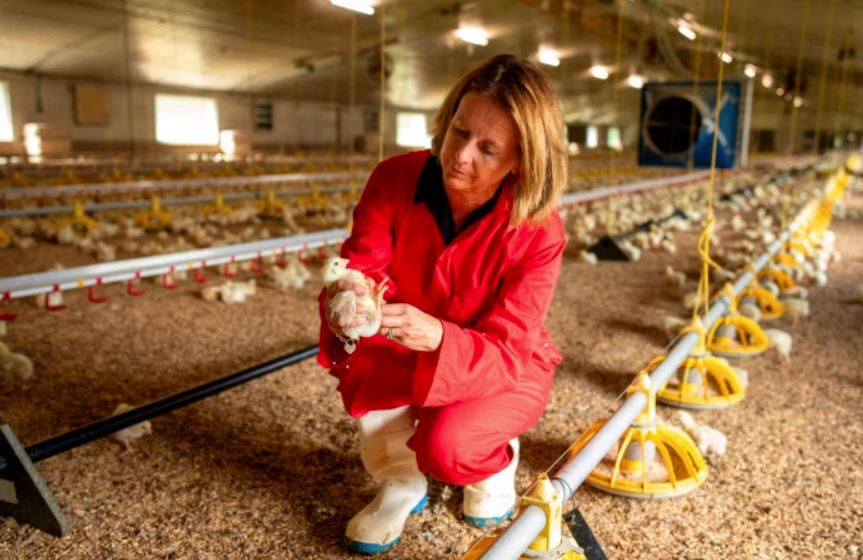
Poultry meat production is regarded as the cornerstone of national food security. One billion birds are reared annually, providing half of the meat consumed in the country. The sector delivers an affordable, high-volume, high-standard source of protein on which millions of households rely.
Food production is not merely a secondary function of the economy; it is fundamental to the stability, resilience and capacity of the United Kingdom to thrive, and all the more so in a concerning context of “hybrid warfare” in which countries must safeguard their food sovereignty as robustly as possible. The poultry sector directly supports 35,000 jobs and accounts for 0.3% of total GDP, while also contributing £8.5 billion in Gross Value Added (GVA). The United Kingdom cannot feed itself without a stable, high-volume, high-quality poultry sector.
The pressure points threatening stability
Despite the industry’s critical importance, the BPC argues that the current landscape does not reflect the nation’s dependence on this sector. The poultry sector has faced significant pressure as a result of managing the challenges of the COVID-19 pandemic, the sharp increase in Brexit-related bureaucracy, and the need to contend with avian influenza.
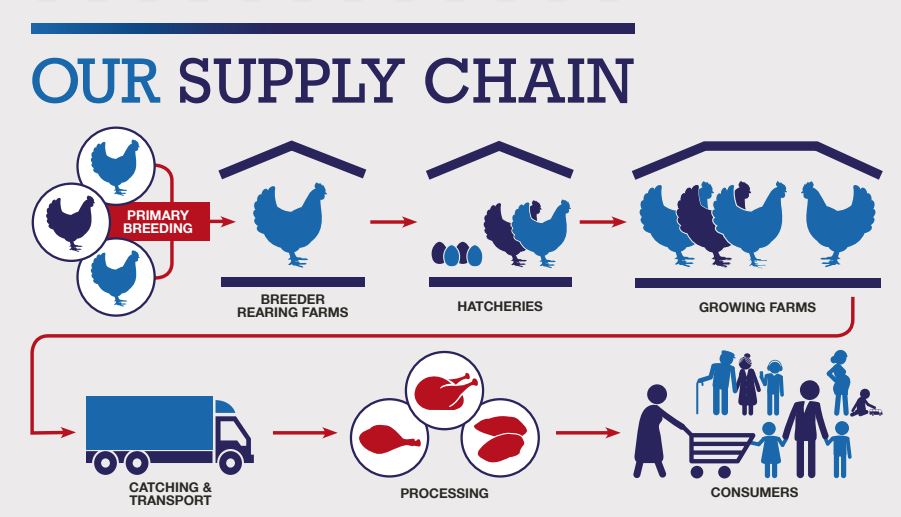
The BPC report identifies three main pressure points — Sites, People and Progress (trade) — that determine the stability of poultry meat production in the UK. If any one of these points weakens, productivity stagnates, capacity shrinks, costs rise and dependence on production from other countries grows.

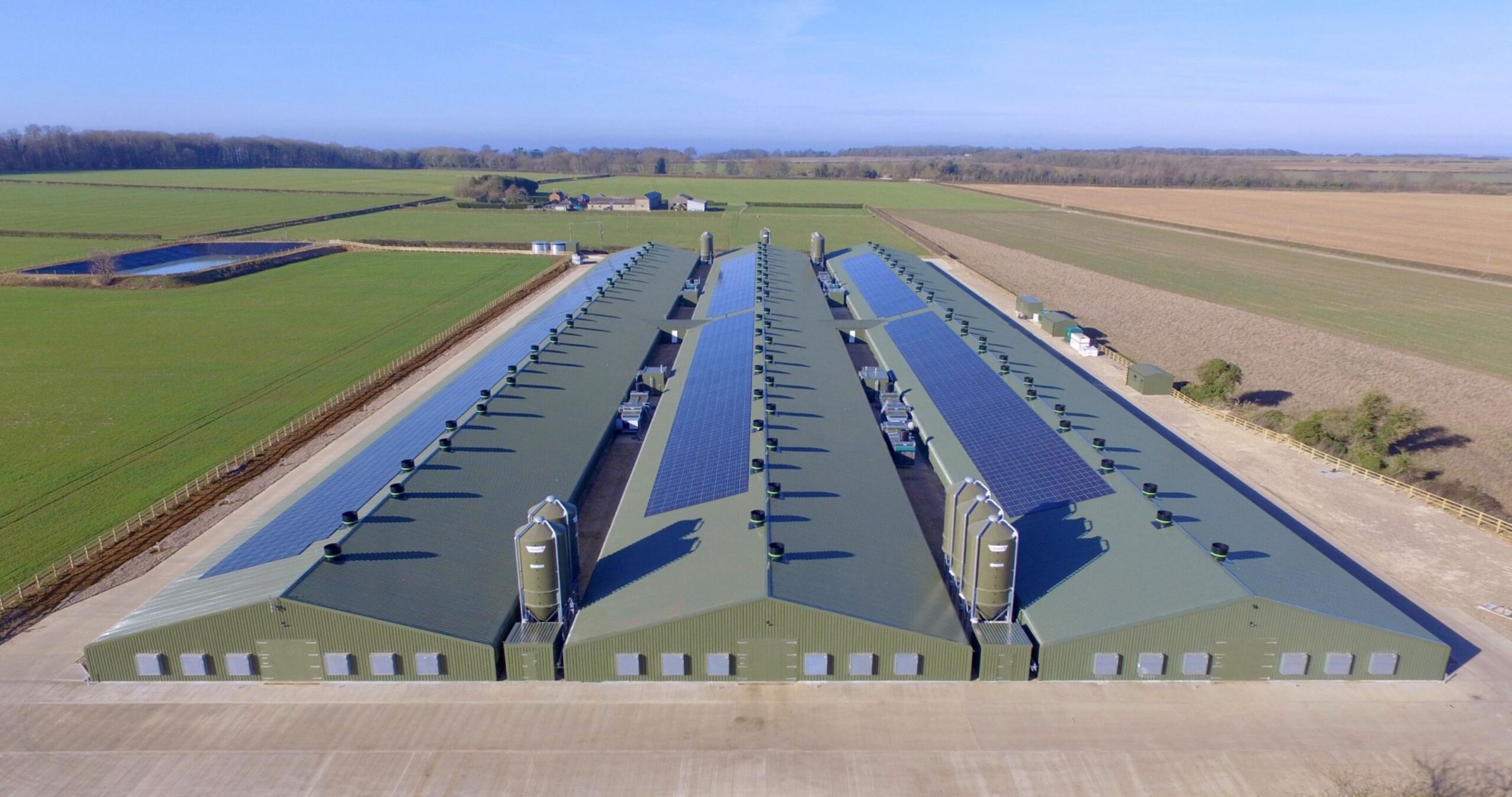
- Sites: Food production requires physical space, yet planning decisions are increasingly treating production facilities (farms, hatcheries, feed mills, processing plants, etc.) as a local nuisance rather than a national asset. This fragmentation weakens the infrastructure that is essential to food security.
- People: Poultry meat production is a highly skilled national operation that depends on a trained workforce. However, skills shortages, an inaccessible visa scheme and the lack of recognition of sector-specific expertise (much of which resides in EU nationals) are weakening the entire supply chain. The BPC stresses that the Government must ensure food producers have continued access to key workers, including non-UK labour.
- Progress (Trade): According to the BPC, the sector faces the absence of a level playing field in trade with the EU, which undermines competitiveness, slows exports and disrupts the movement of perishable goods. The UK bears the cost of compliance without the benefit of frictionless trade. The BPC proposes a Sanitary and Phytosanitary (SPS) agreement and digital, risk-based customs processes.
The future as essential infrastructure
Recognising food as Critical National Infrastructure is only the starting point. The true measure of national strength will lie in what is done with that recognition. This includes building conditions that allow essential economic infrastructure to thrive, which means creating planning systems that foster innovation and investing in the people who ensure that food remains affordable and available.
Poultry production cannot be switched on and off like other types of infrastructure, as it is time-sensitive and geographically embedded. For the BPC, operating with dwindling resources and facing enormous challenges such as Brexit and the additional costs introduced by the pandemic is not a sustainable long-term operating model. The industry seeks to establish the conditions under which essential infrastructure is not only protected, but also useful and productive.
For further information:
-. 2025 British Poultry Council Annual Report
-. Poultry farming in the United Kingdom