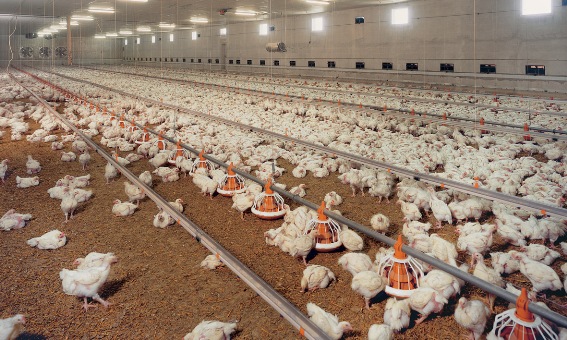

A group of researchers in Spain has developed an innovative system for applying bacteriophages on poultry farms with the aim of combating salmonella in poultry. This advance represents a significant alternative to the use of antibiotics, an urgent necessity amid growing antimicrobial resistance.
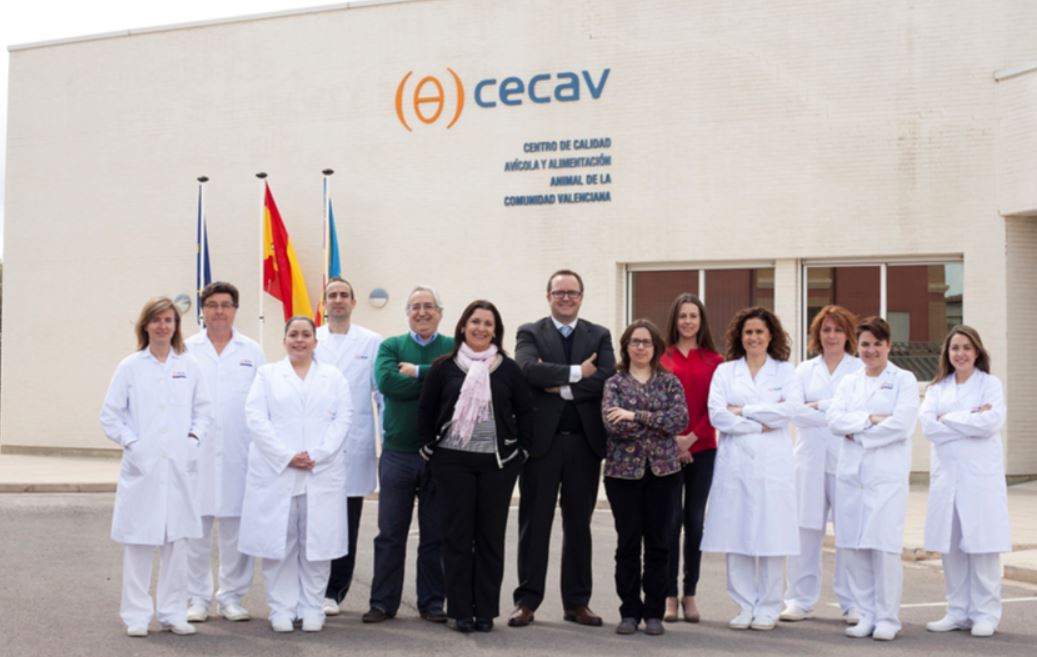
The research team, belonging to the Centro de Calidad Avícola y Alimentación Animal de la Comunidad Valenciana (CECAV), working in collaboration with the Generalitat Valenciana, has successfully isolated four specific bacteriophages against Salmonella Infantis. This achievement marks a significant milestone in the fight against this zoonotic pathogen on broiler farms, thanks to an innovative procedure that enables the direct application of bacteriophages.
The details of this important work were published in May 2024 in the prestigious journal Frontiers in Microbiology. Researchers Sandra Sevilla-Navarro and Pablo Catalá-Gregori, together with a team from CECAV and the University of Valencia, led the study. In it, they describe how the use of specific bacteriophages, in combination with strict cleaning and disinfection measures, succeeded in reducing the prevalence of Salmonella Infantis by 64% on the farms studied. Furthermore, the research demonstrated that this intervention achieved the complete elimination of the bacterium from poultry facilities.
The approach is based on the autophage concept, previously developed by this same research group in 2018. This method has proven effective not only in eliminating resistant bacteria, but also in providing a safe and sustainable alternative to antibiotics in livestock production.
The impact of this advance cannot be understated. Phage therapy, which uses bacteriophages as agents to target specific bacteria, offers a promising method for combating zoonotic pathogens that have proven resistant to traditional cleaning and disinfection methods. This opens the possibility of reducing antibiotic use in the poultry industry, a vital trend for decreasing antimicrobial resistance in animal production.
This discovery by CECAV represents a decisive step towards safer, more efficient and more sustainable poultry production, by providing new tools to combat disease without relying on the use of therapeutic antibiotics.
For further information: Fighting Salmonella Infantis: bacteriophage-driven cleaning and disinfection strategies for broiler farms