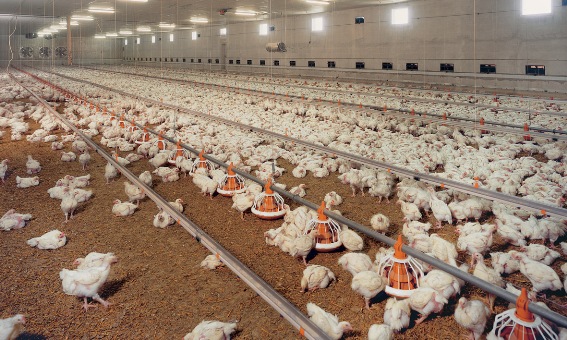


BroilerNet is a project funded by the European Union’s “Horizon Europe” Research and Innovation Programme, aimed at improving the resilience and sustainability of the European poultry sector. To achieve this, the project, which will run until 31 July 2026, has created a space where scientists and people working in poultry rearing collaborate and exchange ideas to develop and share innovative new practices that farmers can subsequently implement on their holdings.
One example of these improvements is the Spanish proposal submitted by IRTA and the Federació Avícola Catalana, which was one of the winning practices proposed in the project’s first challenge identification cycle.
Within the BroilerNet framework, innovative good practices are identified across the European poultry sector to address challenges related to animal welfare, animal health and sustainability.
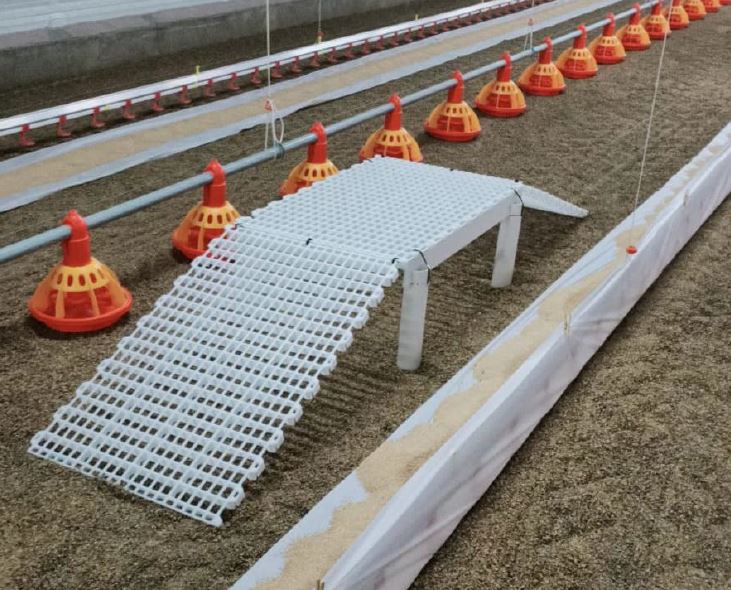
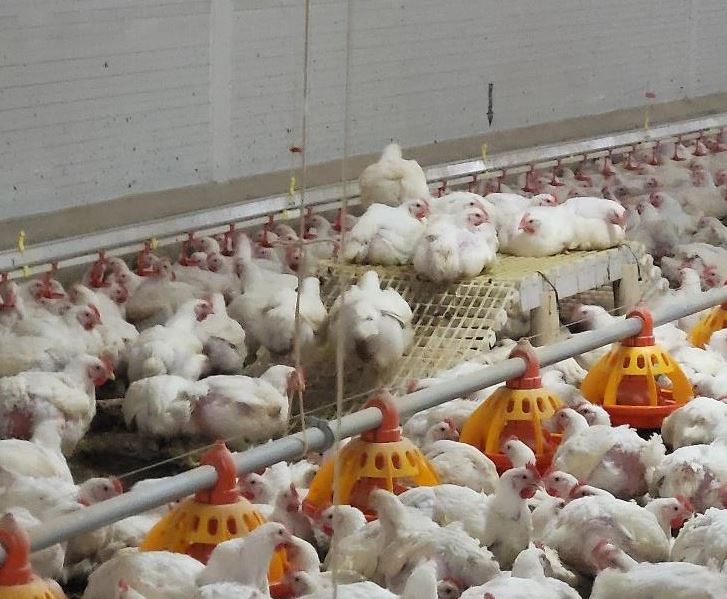
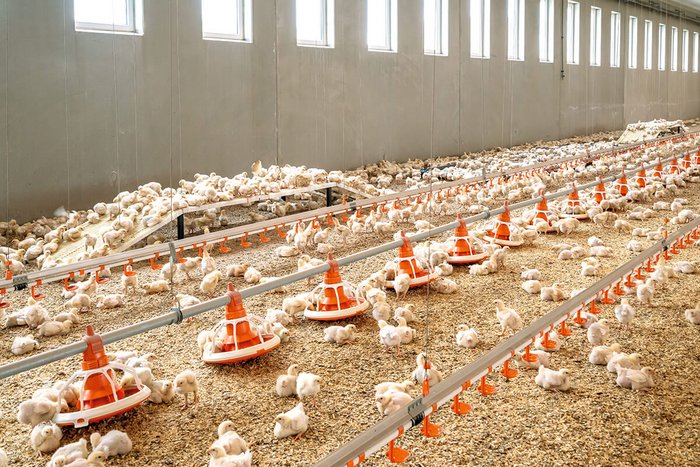
The Spanish proposal involves the installation of raised platforms in broiler houses to improve bird welfare, as they not only allow chickens to perform their natural resting behaviour in elevated areas, but also play a crucial role in the prevention of leg injuries.
These injuries, which are often attributable to the rapid growth of birds driven by genetic selection, are more prevalent in the legs of broilers due to the substantial development of their legs and breast, which increases their inactivity as they grow.
From the first week of life, chicks show a high motivation to use these platforms, making it essential that they are easily accessible and suitable for all stages of bird growth. Raised platforms not only facilitate locomotion, but also significantly reduce the prevalence and severity of conditions such as lameness, footpad dermatitis and hock burns.
According to experts, the BroilerNet cost-benefit analysis indicates that implementing raised platforms on a typical model farm increases production costs by 0.85%, while the average net gain is €0.01 per bird.
Furthermore, the literature indicates that this practice offers multiple welfare benefits for birds, including:
- enabling natural resting behaviour,
- providing additional locomotion options and reducing
- the prevalence and severity of lameness,
- dyschondroplasia,
- pododermatitis and
- hock burns.