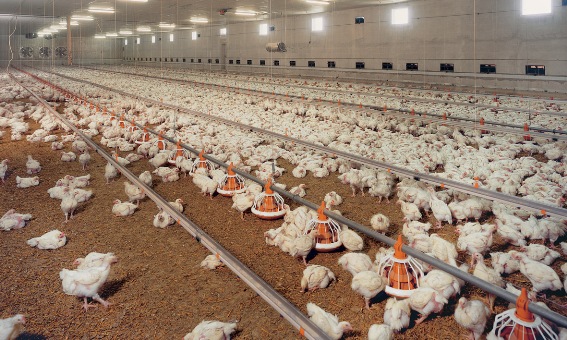


Early detection of health problems in poultry production is essential to prevent significant economic losses and improve animal welfare. A pioneering study conducted by the University of Georgia, the University of Wisconsin-Madison and Cobb-Vantress has explored how big data and artificial intelligence (AI) applied to poultry production can transform poultry farm management.
The research, which monitored more than 95,000 broilers and generated more than 99 million records of feeding behaviour, demonstrated the capacity of machine learning algorithms to predict mortality days before it occurs. This advance promises to optimise management strategies in real time, prevent disease outbreaks and raise welfare standards across the industry.
Introduction
Losses in broiler rearing and grow-out due to mortality or disease-related conditions represent a considerable challenge and generate substantial annual economic losses for the poultry industry. The adoption of optimised management strategies to prevent these losses requires constant monitoring of flock health status, a task that manual observation makes unviable due to it being slow, labour-intensive and stressful for the animals.
Continuous monitoring of individual health in poultry production is laborious, but combining digitalised feeders, automatic data collection and MACHINE LEARNING OPENS THE DOOR TO PREDICTIONS THAT WOULD OTHERWISE BE IMPOSSIBLE.
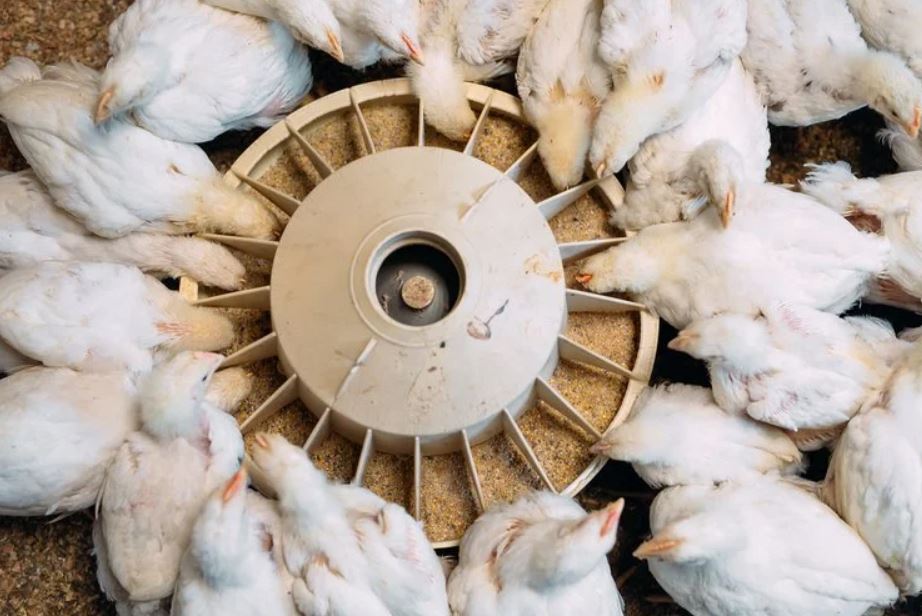
Advances in sensor technology, such as electronic feeders equipped with radio-frequency identification (RFID), have opened new opportunities for automated, non-invasive monitoring of animal performance, welfare and health. This study focused on the integration of machine learning techniques with feeding behaviour (FB) data to predict disease-related mortality events in floor-raised, litter-based broilers.
Study methodology
The research team collected data from 95,711 broilers of pure line from both sexes, across 146 feeding trials of 28 days each, between 2017 and 2022. These birds were housed in experimental pens equipped with a Cobb-Vantress electronic feeding system, which used RFID to continuously monitor FB. A total of 99,472,151 visit records were obtained, summarised into 2,667,617 daily observations of eight FB traits, including daily feed intake, number of visits, time at feeders and feeding rate. Mortality events were defined as birds found dead or culled on welfare grounds.
Electronic feeders enable real-time monitoring of feeding behaviour.
From the feeding behaviour (FB) time series, 22 features were extracted per trait, totalling 198 features per animal. The objective was to predict mortality one or three days in advance.
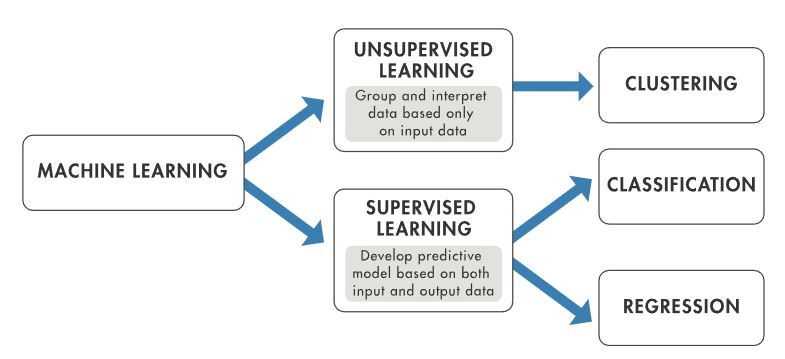
Five machine learning algorithms were compared:
Gradient Boosting Machine (GBM),
Multilayer Perceptron (MLP),
Logistic Regression (LR),
Random Forest (RF) and
Support Vector Machine (SVM).
Due to class imbalance in the data (93.7% healthy birds and 6.3% culled), sampling strategies such as random under-sampling (RUS) and a combination of RUS with the Synthetic Minority Over-sampling Technique (SMOTE) were employed for model training. Performance was evaluated by means of 20-fold cross-validation and an independent test set, using metrics such as specificity, sensitivity, precision, F1 score, and the area under the ROC curve (AUC) and precision-recall curve (AUPRC).

Key findings
The results demonstrated that changes in feeding behaviour appeared 7 to 17 days before mortality. Specifically, sick birds ate less, ate more slowly, visited feeders less frequently and had fewer meals. Statistical tests confirmed consistent differences in most FB traits between healthy and culled birds at least 7 days before the event.
Anomalous feeding behaviour could indicate the onset of disease in broilers.
In terms of prediction performance, the Gradient Boosting Machine (GBM) and Support Vector Machine (SVM) algorithms achieved the best predictions (AUC ≈ 0.87). The combination of under-sampling and over-sampling strategies (RUS + SMOTE) generally offered slightly superior performance compared with random under-sampling (RUS) alone.
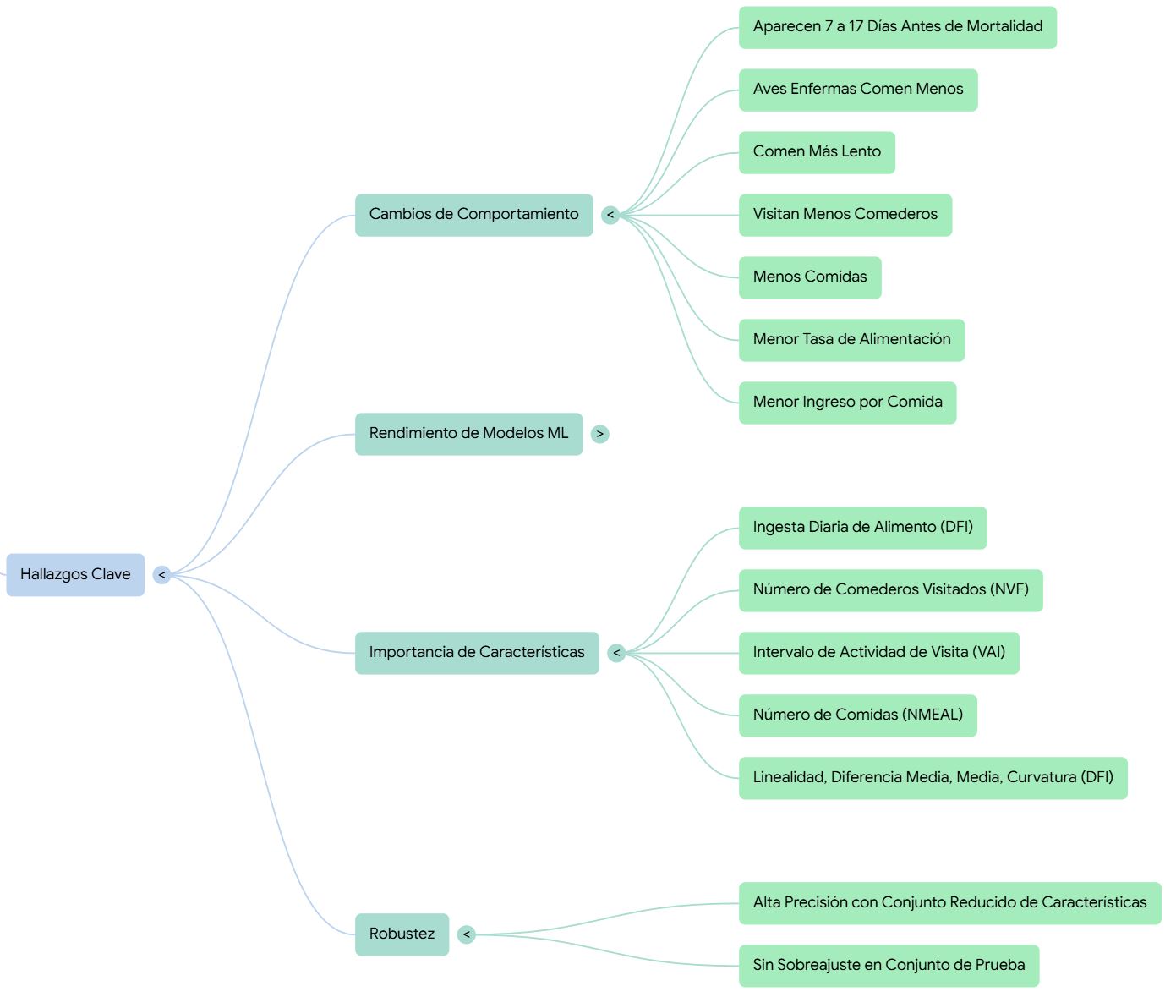
Although predictions one day in advance were more accurate than those three days ahead, the latter consistently outperformed random classification. It was observed that even with a reduced feature set, accuracy remained high, suggesting that traits derived from daily feed intake, the number of feeders visited, visit activity interval and number of meals carry high predictive importance for mortality monitoring in broilers.

Implications and future challenges
This study provides solid evidence that combining big data and Artificial Intelligence in poultry production can become a powerful tool for improving animal welfare, preventing disease outbreaks and optimising farm management in real time. The capacity of these systems to monitor the individual health status of broilers in near real time would enable producers and veterinarians to implement targeted intervention strategies, reducing unnecessary stress in the animals and preventing the spread of disease.
DISEASE-RELATED CULLING OR MORTALITY EVENTS WERE SUCCESSFULLY ANTICIPATED FROM FEEDING BEHAVIOUR.
However, the study also highlighted certain challenges. A trade-off was found between the precision and sensitivity of predictions, meaning that the threshold for classifying animals as positive cases must be adjusted according to the specific objectives of the farm monitoring system. Furthermore, classification performance decreased notably when the prediction window was extended from one to three days, indicating the need for future research to improve the effectiveness of predictions over longer time intervals. It would also be beneficial to develop models with more detailed labels to enable prevention of specific diseases.

Conclusion
In summary, the findings of this study indicate that large-scale data on feeding behaviour, collected from electronic feeders, offer valuable information for predicting disease-related mortality events in floor-raised broilers using machine learning methods. The GBM and SVM algorithms achieved the best overall performance for this task. Despite the promising results, further research is needed to investigate the generalisability of the findings to other populations (such as other genetic lines) and to test the feasibility and cost-effectiveness of implementing these monitoring systems at scale on commercial broiler farms. This approach demonstrates that the combination of big data and AI can become a powerful tool for improving animal welfare, preventing disease outbreaks and optimising farm management in real time.
Machine learning methods achieved the highest predictive accuracy when working 1 day in advance. WHEN ATTEMPTING TO PREDICT MORTALITIES 3 TO 7 DAYS AHEAD, THE QUALITY OF PREDICTIONS IS LOWER.
Key highlights of this study:
- “In poultry production, early detection of health problems can mean the difference between a successful flock and losses of millions of dollars.”
- “More than 95,000 broilers were monitored across 146 trials using RFID-equipped electronic feeders, generating more than 99 million records of feeding behaviour.”
- “Changes in feeding behaviour appeared 7 to 17 days before mortality.”
- “Sick birds ate less, ate more slowly, visited feeders less frequently and had fewer meals.”
- “Gradient Boosting Machine (GBM) and Support Vector Machine (SVM) achieved the best predictions (AUC ≈ 0.87).”
- “This approach demonstrates that the combination of big data + AI can become a powerful tool for: improving animal welfare, preventing disease outbreaks and optimising farm management in real time.”
- “Our findings indicate that large-scale data on feeding behaviour collected from electronic feeders offer valuable information for predicting disease-related mortality events in floor-raised broilers using machine learning methods.”
- “Statistical tests indicated consistent differences in most FB traits between healthy and culled birds at least 7 days before the event.”
- “The results presented in this study provide important information on the feasibility of implementing automated data-driven systems for near real-time monitoring of individual health status in floor-raised broilers.”
- “Further research is needed to investigate the generalisability of the findings to other populations (e.g. other genetic lines) and to test the feasibility and cost-effectiveness of implementing such monitoring systems in commercial settings.”
Source:
-. Monitoring mortality events in floor-raised broilers using machine learning algorithms trained with feeding behavior time-series data. Anderson A.C. Alves, Arthur F.A. Fernandes, Vivian Breen, Rachel Hawken, Guilherme J.M. Rosa.
Computers and Electronics in Agriculture, Volume 224, 2024, 109124, ISSN 0168-1699,
https://doi.org/10.1016/j.compag.2024.109124
Further reading:
-. Artificial intelligence applied to poultry production