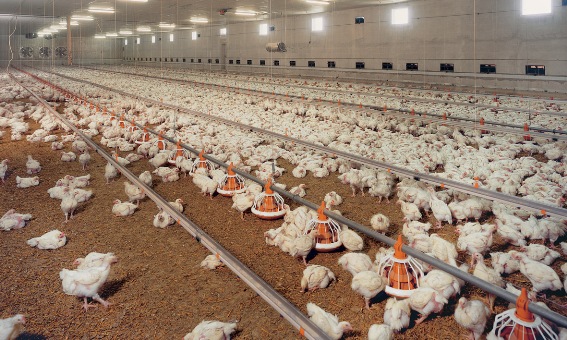

The need to produce profitably continues to compel us to implement changes that help reduce the impact of production costs, balance the additional cost of higher animal welfare standards, and improve the value of end products for consumers and customers. These changes must have a technical basis, be economically viable and operationally applicable.
Feed conversion remains a critical issue for all egg producers, as between 50 and 70% of production costs are linked to feed costs. Poor feed conversion requires more birds to achieve the same egg volume, and more feed to be purchased, stored, processed and delivered.
Since the 1960s, the damage caused by the gram-positive bacterium Clostridium perfringens has been recognised as necrotic enteritis. This bacterium is recognised as one of the most prevalent in commercial poultry environments. The toxins produced by Clostridium are the primary cause associated with problems in domestic poultry. Spores of C. perfringens can even withstand temperatures of 100°C for 60 minutes in the environment, making eradication of the bacterium difficult.
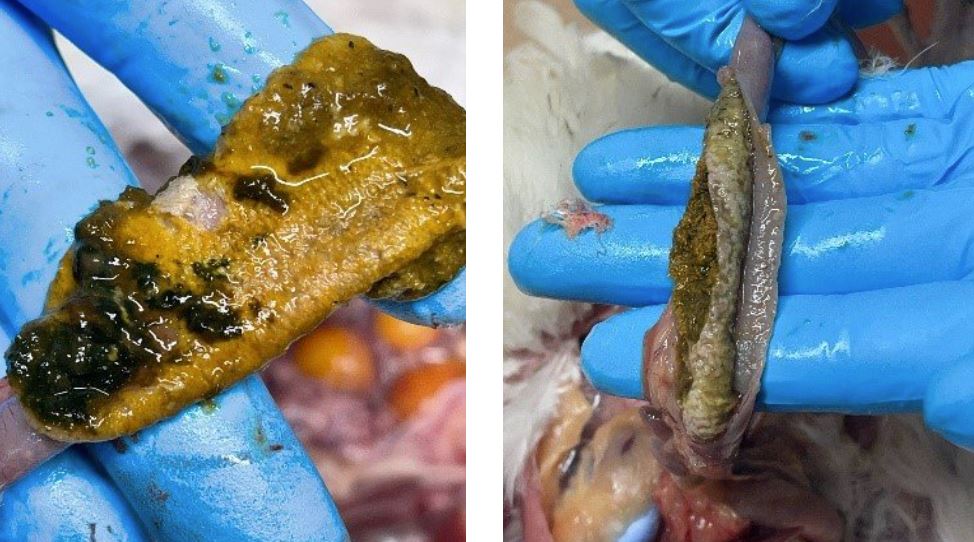
These characteristics (spores and toxins) are also found in Clostridium botulinum, the causative agent of botulism. In young chickens, for example during the rearing phase, this acute prevalence of necrotic enteritis causes flock mortality (up to 30%). Prior to mortality, it can cause reduced weight gain as early as the first weeks of age and may be associated with performance losses during the production phase. The lesions caused in the gastrointestinal tract generate these direct consequences as well as indirect ones, such as reduced feed conversion, fluctuations in egg production and egg quality.
Clinical signs include: ruffled feathers and unkempt appearance of birds, gizzard erosion, haemorrhagic/necrotic patches along the small intestine (mainly jejunum and ileum) and loss of intestinal motility (with accumulation of gas and fluid, causing a “sausage-like” appearance and fetid odour of the intestinal contents). A clear post-mortem finding indicative of necrotic enteritis is a pseudomembrane present focally or diffusely in the intestine, formed by dead cells, bacteria and inflammatory proteins secreted by the intestine itself — and this is the origin of the name Necrotic Enteritis. It should be noted that hepatomegaly with haemorrhagic or whitish spots is also associated with the presence of C. perfringens, but this is not directly related to necrotic enteritis.

When visiting a flock, look for mustard-coloured, foamy, mucus-laden droppings on the house litter, as well as uneven pigmentation of the birds’ legs and beak. During post-mortem examinations, observe gas accumulation in the intestines and the presence of unabsorbed xanthophylls (“tomato spots”). In the egg room, assess the uniformity of yolk colour. All these signs serve as warnings of potential problems that may already be affecting the intestinal health of the flock.
From a management perspective, prolonged contact with faeces — whether in floor-housed birds through contact with litter, or in caged birds through residual droppings in the cages — also promotes contamination with Clostridium. Monitor feed and water consumption and verify that feeders and drinkers are functioning correctly. Restricting water and feed for extended periods (more than 24 hours) can destabilise the intestinal flora and stimulate the multiplication of Clostridium (and other undesirable microorganisms). Thorough cleaning and disinfection between rearing and production cycles will help reduce the challenge pressure.

From a health perspective, coccidiosis has proven to be a “major predisposing factor” for Clostridium. The cellular lesions caused by Eimeria, which lead to increased mucus production and reduced digestibility and absorption of nutrients present in the intestinal lumen, create a favourable intestinal environment that exacerbates conditions. Coccidiosis control through vaccination has proven effective, but care must be taken to monitor and manage potential vaccine reactions. Always consult your veterinarian and seek their guidance and advice.

From a nutritional standpoint, factors such as mycotoxins, excess dietary protein and the use of low-digestibility feed ingredients have been shown to be potentiating factors for this problem. Diets based on wheat, barley and rye and/or with high concentrations of animal by-product ingredients (such as meat and bone meal and fish meal) or ingredients with lower digestibility (such as rapeseed/canola) have also been associated with the incidence of necrotic enteritis. Sudden changes in formulation (for example, the need to modify a formula due to the introduction or removal of an ingredient) also act as “triggers” due to the dysbacteriosis resulting from these changes.
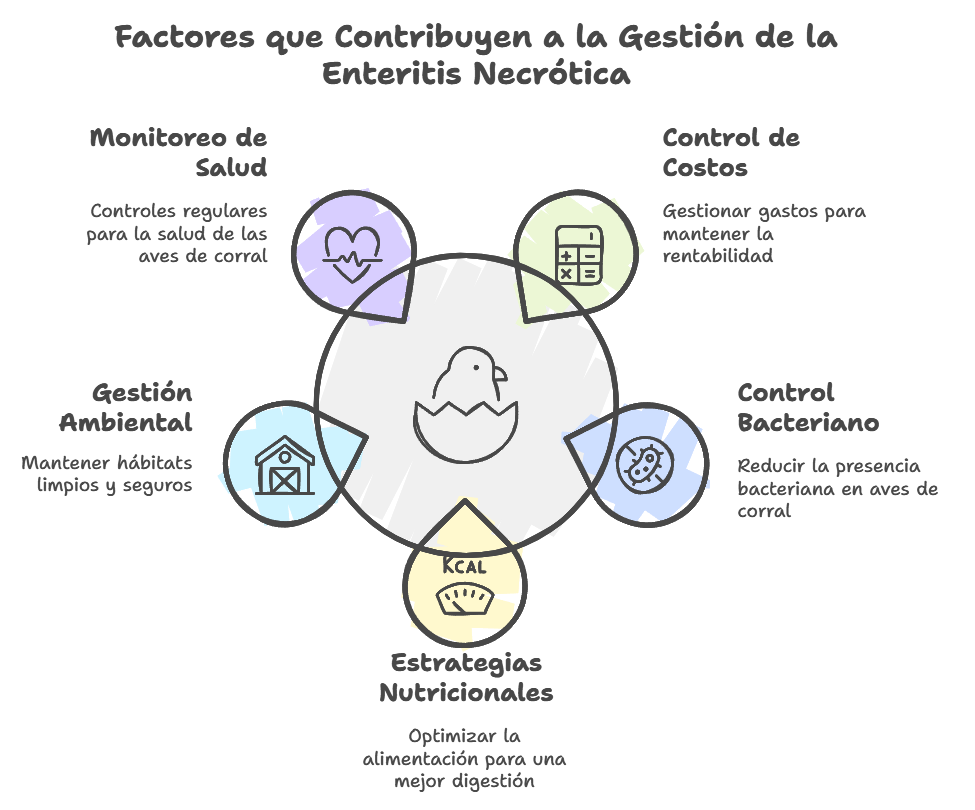
From a medication standpoint: the medicinal options available on the market are increasingly limited. It is therefore essential to focus on controlling this disease through a combined approach on several fronts:
With regard to bird health:
- Keep coccidiosis under control and manage vaccination in accordance with vaccine supplier recommendations.
- Use additives to help control any exacerbated vaccine reactions.
- Pay close attention to early clinical signs and changes in droppings.
- Medicate only during clinical cases (drinking water is most appropriate due to the drop in feed consumption), under the guidance of the responsible veterinarian and in compliance with local legislation.
- Respond quickly to these problems to minimise the consequences.
With regard to layer management:
- Promote the empty feeder technique to prevent the accumulation of stale feed in feeders and any other factors causing excessive contamination in the rearing environment.
And with regard to nutrition, combine different available products to help protect the intestinal integrity of birds, such as:
- Probiotics (strains specifically intended to control clostridial disease are available on the market, such as Bacillus licheniformis and Bacillus amyloliquefaciens).
- Organic acids: such as butyric acid and its combinations with glycerides.
- Essential oils, with new products available on the market; solutions to specific/regional problems can be achieved through combining some of them. Correct dosing procedures in feed and monitoring of bird performance are important factors in finding the best solution.
Additionally:
- The use of insoluble fibres and enzymes helps reduce the viscosity of intestinal contents.
- Neutralise mycotoxins with products that reduce their absorption (adsorbents and enzymes), thereby reducing the risk of ingredient digestibility problems.

- Monitor body weight gain and flock uniformity weekly up to 30 weeks of age and then monthly, and reduce the environmental and health factors that impede weight gain to avoid prolonged use of highly concentrated feed during the rearing phase.
- Stimulate the development of feed intake capacity and gizzard musculature through appropriate feed particle size so that the gizzard can grind the ingested feed and reduce the availability of unprocessed nutrients in the gastrointestinal tract.
- Avoid excessive use of medication in flocks instead of addressing the underlying problems that lead to medication use.
As egg production conditions continue to change, along with the nutritional value and availability of ingredients, the microorganisms present in the commercial poultry environment change as well. Therefore, it is important to adopt a broad, systemic view so that the most appropriate solutions can be implemented to keep pathogens — and consequently necrotic enteritis — under control on farms.
Source:
-. Hendrix Genetics