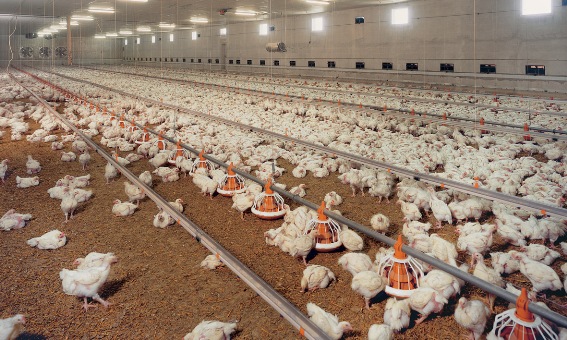

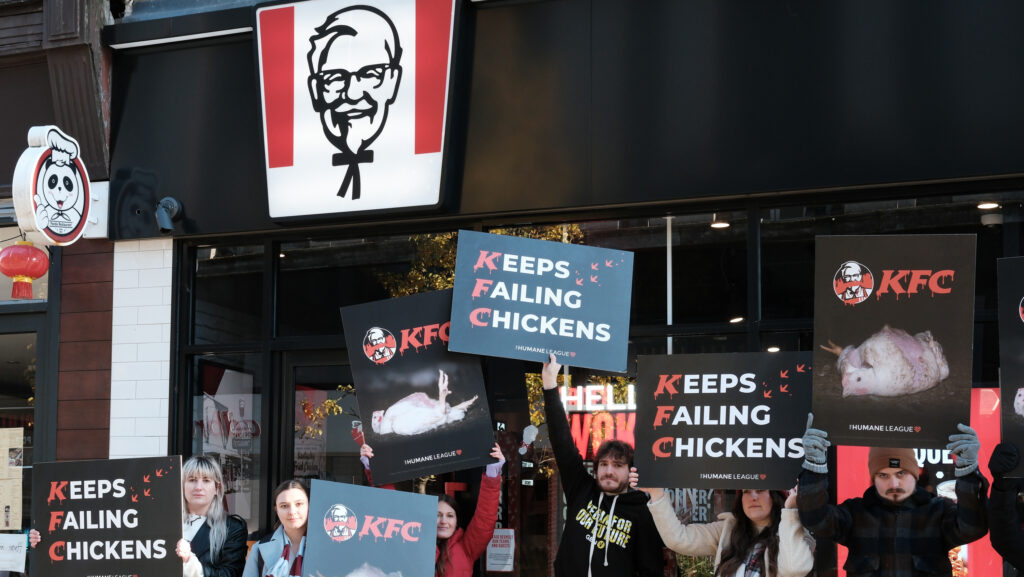
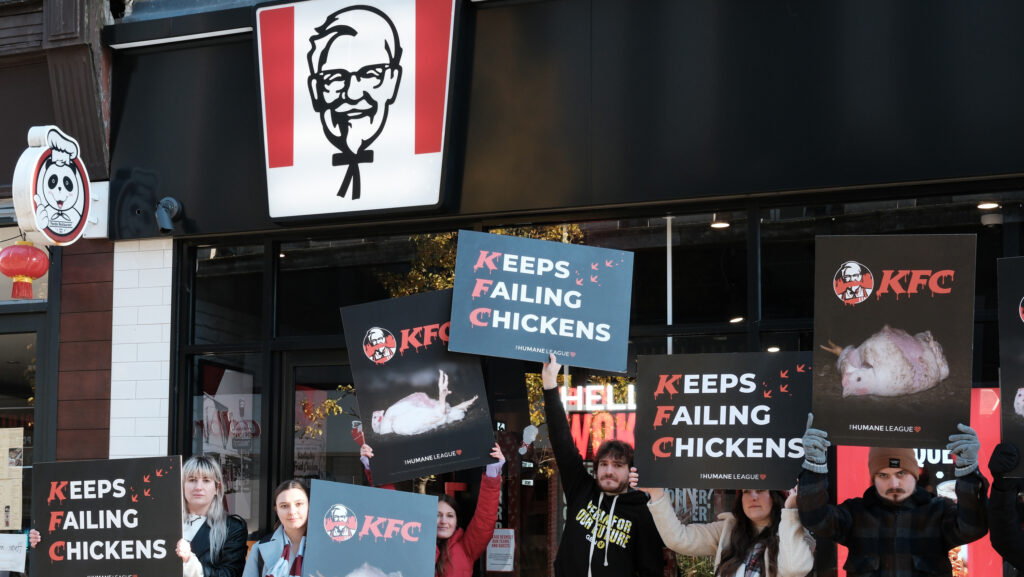
In 2019, Kentucky Fried Chicken (KFC) made a bold move when it signed up to the Better Chicken Commitment (BCC). However, with one year to go before the deadline, the fast food chain announced in autumn 2024 that it will be unable to meet the six requirements stipulated, as although it will move to a stocking density of 30 kg/m² for the chicken it purchases in the United Kingdom, it will not transition to a slower-growing breed, arguing that this is not currently viable.
“But we still have the ambition to progress towards the BCC,” said Head of Sustainability Ruth Edge at the Egg & Poultry Conference. “It just won’t be within the timelines set out in the current commitment.”
One of the main reasons for this is that KFC purchases chicken cuts rather than whole carcasses, and therefore depends on decisions made by others in the supply chain. Not enough companies have signed up to the BCC, meaning there are insufficient slow-growing birds on farms.
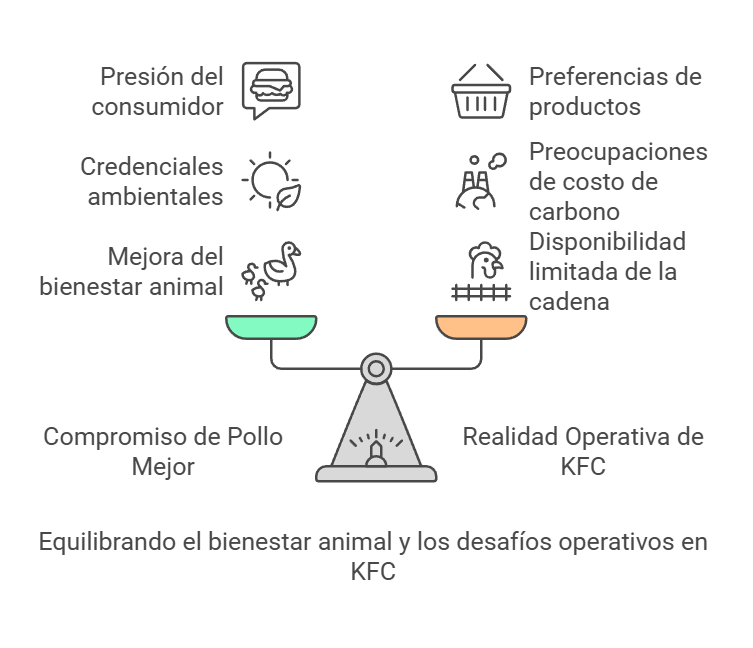
“Availability is a huge issue for us. Because mass retailers have not moved towards slow-growing chickens, we essentially cannot access them.” According to her, “we will deliver a lower stocking density by 2026 for UK and Ireland chicken, but for the rest of our supply, we do not have a timeline at this moment.”

Another factor is the carbon cost of slow-growing birds. Consumers are increasingly aware that these birds consume more feed over a longer period and are therefore worse for the planet. “If you look at what has the greatest impact on the carbon footprint, it is the slower-growing breed, so it is very difficult to balance the competing demands of better environmental credentials, higher welfare and low cost with the commitment to reach net zero carbon by 2040,” says Edge.
According to KFC, there are not enough suitable cuts to source entirely from British chickens, particularly breast meat, so to meet demand they must source chicken from abroad. To further complicate matters, young consumers want breast meat above all else. Generation Z (people born between 1997 and 2012) does not want bone-in chicken — they want breast products, they add.
Further reading:
-. KFC Annual Progress Report On Chicken Welfare 2024 (25 pages)
-. «Costs and implications of the European Chicken Commitment in the EU» AVEC report, 2024 (56 pages)
-. EFSA scientific opinion on «Welfare of broilers on farm» © 2023 European Food Safety Authority. EFSA Journal published by Wiley-VCH GmbH on behalf of European Food Safety Authority. (236 pages)
-. Production costs at NeXusAvicultura.Com