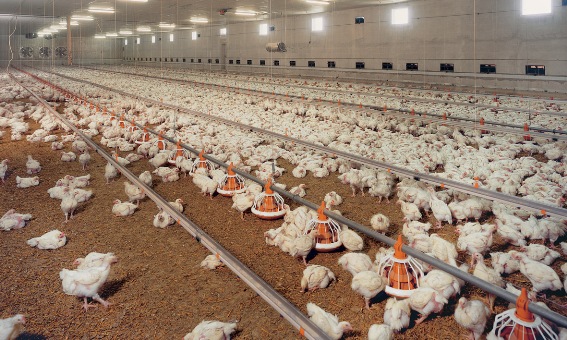

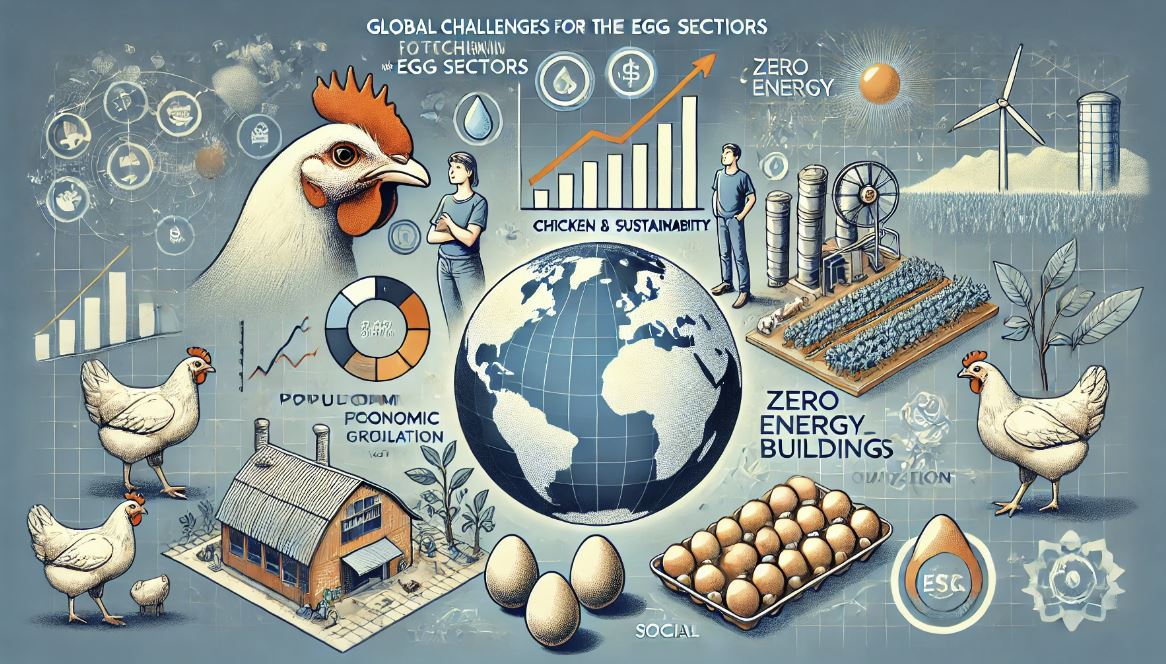
The poultry meat and egg sectors are key players in global nutrition and food security. From 2012 to 2022, the availability of chicken meat increased by 3.7 kg and that of eggs by 41 kg per person worldwide. Both sectors recorded the fastest growth of all animal production systems: chicken meat increased by 31.1% and eggs by 29.8%.
By 2050, the world will need to feed one billion more people, mainly in Africa and Asia, and consumption of meat, especially poultry meat, is expected to increase by 73%. However, this must be achieved with only a 5% increase in available arable land.
Consumers and sustainability
According to the definition of the United Nations, sustainability means “meeting current needs without compromising future generations”. For the poultry meat and egg sectors, sustainability encompasses social, economic and environmental pillars. Younger consumers, especially Generation Z and millennials (*), who will represent 52% of the global population in 2027, place great importance on sustainability when choosing their food. A 2020 survey revealed that 44% of consumers are purpose-driven, 57% are willing to change their purchasing habits to obtain environmental benefits, and 70% are willing to pay a premium for sustainable brands. (*) Generation Z encompasses those born between 1997 and 2012, and millennials are those born between 1983 and 1996
Economic sustainability
Economic sustainability in the poultry meat and egg sectors means achieving a balance between price and profit, while providing affordable food. Poultry feed, which accounts for between 65 and 75% of production costs, is an important consideration. Strategies include optimising gut health through feed formulations containing probiotics, prebiotics and enzymes to improve feed conversion. Enzymes not only improve nutritional value but also reduce oxidative stress and intestinal inflammation.
Artificial intelligence (AI) offers significant potential through the use of data to better manage flocks, optimise production and connect farms with processing plants. AI can predict broiler performance and optimise processing schedules to increase efficiency and reduce costs. Intelligent automation in meat processing that combines robotics and AI can further reduce production costs by improving operational efficiency.
Environmental sustainability
Environmental sustainability addresses the sector’s impact on the planet and focuses on reducing emissions and improving resource utilisation. Poultry feed is a significant source of emissions, to which the production and transport of grains contribute substantially. Strategies to reduce these emissions include selecting feed ingredients sourced from regions with minimal deforestation and improving feed efficiency through better health management and genetics. Manure management also plays an important role, and various techniques allow greenhouse gas emissions to be reduced during storage and application.
Housing systems have an impact on environmental sustainability. Cage-free systems increase CO2 emissions by 15 to 18% per kilogram of eggs produced. Net zero energy (NZE) buildings, which produce as much energy as they consume, can significantly reduce energy consumption and emissions. Innovations in waste management — for example, producing valuable products from waste materials — also contribute to sustainability.
Social sustainability
Social sustainability encompasses worker health and safety, animal welfare, food safety and food security. Worker health can be affected by housing systems. Cage-free systems, for example, increase airborne particulates, affecting both workers and birds. Enzymes in feed can reduce CO2 emissions and improve air quality. New technologies help to monitor and safeguard poultry welfare, including robots that improve litter quality, video cameras that detect abnormal behaviour and RFID devices that track bird movement. The adoption of Poultry 4.0 with AI technologies improves profitability and demonstrates a commitment to animal welfare.
Avian influenza remains a major challenge, and mass culling of birds is not sustainable. In some regions, vaccination is being considered as a more ethical and effective control method. Ensuring food safety is crucial; bacteriophages show promise as a means of combating bacterial infections without contributing to antibiotic resistance.
The role of continuing education
Acquiring the latest knowledge on management practices, feed formulations, housing design and disease prevention is crucial for sustainability. Training offered by organisations such as the World Veterinary Education in Animal Production Health (WVEPAH) provides professionals with up-to-date skills and knowledge. AI can further enhance their capacity to optimise animal health and welfare, improving the sector’s ability to meet sustainability goals, ensure food security and improve economic and environmental outcomes.
Conclusion
The poultry meat and egg sectors face numerous challenges, but also significant opportunities arising from consumer demand for sustainable products. Economic and environmental sustainability can be achieved through innovative practices and technologies, such as AI and intelligent automation. Social sustainability requires the protection of workers and animals, as well as food safety. Education and training are essential to equip professionals with the skills needed to drive sustainable practices within the sector.
Source: Vincent Guyonnet