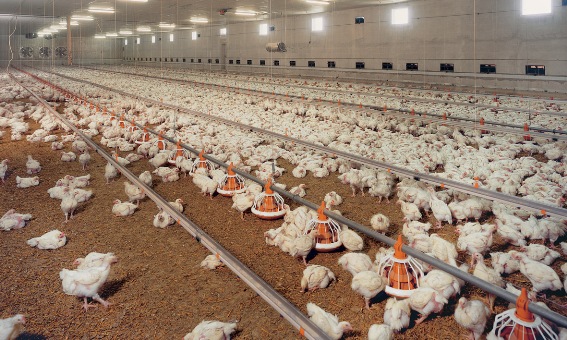


Argentina’s broiler sector is on the verge of recovery following the avian influenza (AI) outbreaks it suffered in February of last year, 2023, when it faced one of its worst scenarios. At that time, the disease first affected wild birds, then backyard hens, and finally commercial production. This led to a complete suspension of poultry product exports — a critical development for a country that is a major exporter of such products, as Argentina is. Over the past decade, the southern nation has seen significant growth both in its domestic per capita poultry consumption and in its exports, which had reached up to 75 countries.
Nevertheless, the Argentine poultry sector has been working with determination to overcome this situation. First, on the commercial front, the widespread adoption of stricter biosecurity measures enabled farms to be declared free of AI in August of the same year, a recognition granted by the World Organisation for Animal Health (WOAH); second, emphasis was placed on recovering export markets.

According to an interview with Roberto Domenech, president of the Centro de Empresas Procesadoras Avícolas (CEPA), 2024 has proven to be a very positive year. In the first nine months, a 9% increase in exports was recorded, exports are already reaching 63 countries, and new markets have been opened, although the reconquest of the Chinese market — once one of the most significant — remains pending.
At CEPA, they are aware that AI may re-emerge, but they also know that new commercial destinations must be secured and that work must be done with those countries which, upon suspending their purchases, turned to other suppliers. In addition, they are exploring more specialised markets to offer differentiated products, expanding their range beyond chicken paws, which currently account for the majority of sales among the 27 Argentine exporting companies.
Another important matter, Domenech noted, is that Argentina must forge a united front for poultry meat alongside pork and beef, all working together, as Brazil does. These meats complement and reinforce one another without competing against each other.
Finally, Argentina acknowledges that, while exports are indispensable, the country is also a major domestic consumer of poultry, with nearly 50 kilograms per capita per year — one of the highest figures in the world. This means that the domestic market is already well established, and should the country’s complex economic situation improve, the poultry production sector would also stand to benefit.