
Abstract
Continuous genetic selection in meat-producing poultry has driven rapid growth, increasing production and reducing rearing time. This selection has not only impacted nutrient metabolism during incubation, but also gene expression, growth and meat quality.
The challenges in broiler breeder feeding and management are discussed, highlighting the importance of balanced nutrition for optimal reproductive performance and the transgenerational effects that influence the production of high-quality eggs, as well as ensuring that chicks meet performance targets.
A detailed examination is made of the nutritional factors affecting broiler breeders, analysing the importance of adequate protein and energy intake, highlighting the role of amino acids, vitamins and trace minerals in progeny performance, and emphasising the importance of maintaining a balance to optimise reproductive performance.
The novel concept of in ovo feeding, a technology that supplements soluble nutrients into the amnion of late-stage embryos, is having a positive impact on several aspects of metabolism and perinatal development. This method has been shown to increase glycogen reserves, improve early growth and stimulate the immune response, providing a comprehensive strategy for production.
Transgenerational epigenetic responses influenced by maternal nutrition are discussed extensively in this article. Recent research focuses on how nutrients, including methyl donors, selenium and vitamins A and D, can modify DNA methylation and affect gene expression.
Epigenetic mechanisms, such as microRNA activity, DNA methylation and histone modification, have a major impact on the development and health of the progeny.
In conclusion, the intricate relationship between genetic selection, nutrition and performance in current broiler breeders is underscored. Strategies such as in ovo feeding are explored and the emerging field of transgenerational epigenetic responses is examined in depth, providing valuable insights for optimising production and ensuring the health and performance of future generations.
Did you know that broiler body weight improves by 1% every year?
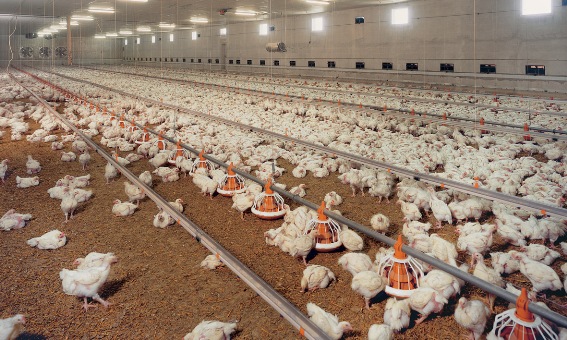
Continuous genetic selection in broilers for rapid growth results in greater meat production and reduces the time required to reach commercial weight. According to Havenstein et al. (2003), the body weight of 42-day-old broilers has improved by approximately 1% per year, and this trend has continued to the present day. In 1957, a 42-day-old broiler weighed 540 g with a feed conversion ratio of 2.35; in 2003 it weighed 2,800 g with a conversion of 1.70, and currently a study from North Carolina State University indicates it can weigh more than 3,500 g with a conversion of approximately 1.40.
Therefore, the incubation and neonatal period of current commercial broilers may represent less than 50% of their productive life, depending on the age at which they are marketed. Furthermore, the embryo depends on the limited nutrients stored in the egg, and genetic selection has not only altered feed intake and meat production efficiency after hatching, but has also influenced gene expression and nutrient metabolism during incubation. The gap between the growth potential of today’s broilers and the target body weight of their breeders for optimising reproductive performance has increased substantially over the past 60 years.
The genetics of breeder males positively affect in ovo growth and the nutrient demand that the genetics and diet of the females must supply. Therefore, a diet providing insufficient essential nutrients to breeder hens can negatively affect embryonic development and, consequently, post-hatch performance. As a result, the intensity of feed restriction in breeders has increased as the genetic potential for growth and meat production has risen, in order to maintain reproductive performance. However, restricting breeder feed intake can also give rise to both favourable and unfavourable transgenerational effects. A lower degree of growth restriction in breeders during their early pre-pubertal and early pubertal rearing period increases the growth rate of male progeny, as indicated by Afrouziyeh et al. (2021) when analysing the challenges in broiler breeder feeding and management, emphasising the transgenerational effects that influence the production of high-quality eggs to maximise hatchability and ensure that chicks can meet performance targets. Furthermore, it explores the key nutritional factors in broiler breeders that influence chick quality and performance.
If genetics improve, breeder nutrition must also improve
The nutritional strategy for breeders is critical, as both excess protein and insufficient energy intake can have adverse effects. Excess protein can lead to lower fat reserves and poor eggshell quality, while inadequate energy intake affects the immune system, feathering and overall reproductive performance. Research has traditionally focused on studying nutrient requirements to maximise egg production and hatchability. However, a slight increase in protein intake can have a positive impact on egg size and chick weight, thereby influencing broiler growth. Maintaining optimal egg size, hatchability and body weight control in breeders presents challenges, particularly with the use of high-protein diets after 40 weeks of age. Formulating breeder diets with minimum protein levels is common practice, but digestible amino acids must be carefully considered.
In addition, it is recommended to implement a two-phase feeding programme after 35 weeks, with lower protein and amino acid levels in the second phase, in order to maintain lay rate and address issues such as reduced feed allocation after peak production. Good management is crucial for understanding the relationship between diet specification and restriction, ensuring the health and overall performance of the flock.
Nutrition affects chick quality and performance.
Chick quality is influenced by a myriad of factors and complex interactions: the physiological status of the hens, their nutrition, diet formulation, farm and hatchery management, transport and incubation efficiency. The interaction of these elements is crucial in determining the overall health and performance of breeder flocks, chick quality and subsequent chick performance. Poor flock uniformity, early photo-stimulation, inadequate feed distribution and various stressors can significantly affect outcomes.
The embryo relies on nutrients stored in the egg for normal growth and development, but its true nutritional requirements remain largely unknown. Egg composition, influenced by nutrient quantities, the fatty acid profile of the diet, hen age, health status, storage conditions, vitamin D metabolism, calcium quantities and sources, as well as mineral and vitamin supplementation, plays a crucial role. Flocks that begin production without meeting minimum development conditions may produce lower-quality eggs, with reduced weight, lower yolk and fat proportions and a thicker shell. Although reviews exist on the nutritional factors of breeders that affect chick quality and performance, their applicability may be considered less relevant with the introduction of modern genotypes and commercial conditions. In general, a holistic approach that takes into account various incubation conditions is essential for optimising chick quality and ensuring successful poultry production and meat quality.
Breeder protein and energy intake affects progeny performance.
Aitken et al. (1969) first demonstrated the effects of protein and energy in broiler breeders on egg size and offspring performance. It was observed that offspring from parents fed a high-density diet produced heavier eggs and their body weights were significantly greater at 42 and 63 days of age. The protein-to-energy ratio in the breeder diet was found to influence chick weight, with a reduction observed when the energy-to-protein ratio was low.
Subsequently, Spratt and Leeson (1987) further investigated the impact of the protein-to-energy ratio in breeders and found that male chicks from hens fed high-energy diets showed better early growth, while females did not exhibit the same result. The effects of the maternal diet on progeny were found to be sex-dependent, with high energy increasing carcass protein in males and decreasing carcass fat, and low-density diets potentially improving growth and mortality, particularly in older breeders. Enting et al. (2007) found that low-density breeder diets can improve offspring growth, reduce mortality and affect immune responses depending on breeder age and egg weight. Similarly, Hocking (2006) reported that progeny from parents fed low-density diets diluted with oat hulls showed less interest in drinking, maintained better litter quality and displayed differences in egg and chick size. Conversely, Moraes et al. (2014) found that increasing the energy-to-protein ratio in the diets of young breeders also increased the growth and breast meat yield of female progeny. Similarly, van Emous et al. (2015), investigating the influence of dietary protein during rearing on embryonic and offspring performance, confirmed earlier findings that the effects of the maternal diet on progeny performance are sex-dependent and that higher growth patterns during the rearing period had positive effects on fertility and offspring performance.
Energy and protein intake by breeder males can also have transgenerational effects on offspring performance. Attia et al. (1993, 1995), providing breeder males with different energy levels, demonstrated a significant increase in offspring body weight at 6 weeks when energy levels were raised. The authors proposed that this result may be related to the presence of supernumerary spermatozoa in eggs laid by hens inseminated with semen from males receiving high-energy diets. Another study reported a reduction in male fertility due to inadequate feed allocation, resulting in a loss of sexual activity and a subsequent reduction in offspring body weight (Romero-Sánchez, 2005). As a recommendation, it is advised to ensure that breeder males receive sufficient energy up to photo-stimulation for optimal offspring growth.
Amino acid supply to breeders: a key factor in progeny performance.
Adequate levels and the correct balance of amino acids in the diet of broiler breeders are critical for optimal egg production, fertility, hatchability and offspring health. The dietary lysine of the breeder hen can affect progeny outcomes. Mejía et al. (2013) used maize-based distillers’ grains to reduce dietary lysine in young breeders and found that their progeny had lower body weight and reduced breast meat yield, but a higher proportion of dark meat with a lower intake of the same (600 mg/d). Ciacciariello and Tyler (2013) also observed a significant correlation between digestible lysine in breeders and live performance of offspring at day 21, concluding that changes in feed allocation to hens to increase egg production over time could negatively affect the live performance of the progeny. In addition, another study (Kidd et al. (2005)) suggests that L-carnitine in breeder feed influences progeny carcass traits, with hens fed 25 mg/kg from 21 weeks of age showing reduced abdominal fat and increased breast meat yield.
Transgenerational effects of vitamins
The impact of vitamins in breeder feed and their effects on hatchability and progeny health has been widely discussed in comprehensive reviews, as dietary deficiencies have been shown to have substantial consequences. Vitamin A deficiency compromises the development of the normal vascular system and causes embryo malposition, while vitamin D3 deficiency causes incorrect eggshell calcification, possible hypocalcaemic tetany symptoms in young breeders, rickets and chicks with poor absorption and soft bones. Vitamin E deficiency reduces fertility, causes inadequate embryonic vascularisation, early embryonic mortality and exudative diathesis in chicks. Vitamin K deficiency prolongs blood clotting time and causes haemorrhaging in extra-embryonic blood vessels. Riboflavin deficiency increases embryonic mortality between days 9 and 14 of incubation and causes muscular atrophy of the legs and curling of the toes. Vitamin B12 deficiency increases embryo malposition with the head between the legs, short beaks, poor muscular development and high embryonic mortality between days 8 and 14 of incubation. Pyridoxine deficiency reduces hatchability, and biotin deficiency causes perosis, shortened or twisted bones and increased embryonic mortality. Folic acid deficiency causes perosis and twisted toes and high mortality at hatching. Pantothenic acid deficiency causes abnormal feathering in chicks, subcutaneous haemorrhages in the embryo and weak offspring.
Although vitamin deficiencies in the diet rarely occur at a commercial level, supplementation errors sometimes occur, giving rise to marginal deficiencies, imbalances and excesses due to poor quality of sources and inadequate storage and feed manufacturing conditions. On occasion, less dominant breeders have lower feed intake, which can lead to marginal vitamin deficiency, particularly during peak lay. The progeny will most likely not exhibit classic vitamin deficiency symptoms, but will not develop their full genetic potential, especially during the first 10 days after hatching.
Among all vitamins, vitamin D has the most significant transgenerational effect on optimal progeny development. Higher maternal dietary concentrations of 2,000 to 4,000 IU of vitamin D3 result in improved body weight gain in progeny and a lower incidence of tibial dyschondroplasia in hens during peak lay, but not after 45 weeks of age. The most bioavailable form, 25-OH-D3, has gained popularity for its positive effects in reducing embryonic mortality and increasing bone ash in the progeny.
The antioxidant status of broiler breeders and its consequent effect on disease prevention in the offspring is of growing commercial interest. Vitamin E has been associated with improved adaptive antibody transfer from parents to offspring.
Trace minerals: a small percentage of the diet, yet critically important for offspring performance.
Although mineral requirements are well established for poultry egg production, the trace minerals with the greatest effect on progeny are selenium, zinc, manganese and possibly iodine. The importance of Se, particularly in its organic form, as an antioxidant cofactor has been extensively studied: Jlali et al. (2013) demonstrated that organic Se in the diet improves its concentration in eggs and increases tissue levels in progeny. Chicks from hens receiving 0.5 mg/kg of organic Se showed higher tissue concentrations than those from hens receiving lower amounts (Pappas et al., 2006). Furthermore, progeny from parents fed seleno-hydroxy-methionine showed a 1.25% improvement in feed conversion ratio compared with offspring from other Se sources (Couloigner et al., 2015). Higher muscular Se content at hatching resulted in improved Se reserves, influencing the transition of the antioxidant system during the first days of life of chicks (Surai, 2002).
The role of Zn in progeny quality, feathering, growth and chick viability has also been explored. Higher Zn concentrations have been found to improve cellular immune function and early survival. When combined with organic Mn, maternal diets containing these trace minerals improve progeny survival, immunological parameters and cardiac function. Progeny from hens fed organic Mn and Zn also tended to have better breast meat yield compared with those fed inorganic forms. It is suggested that maternal dietary concentrations of Se, Zn and Mn higher than those normally recommended may have a positive impact on immune function and survival when provided in combination, highlighting the importance of Se and Zn, particularly in organic forms, for influencing the health and development of progeny.
Nutrient supplementation through in ovo feeding
As previously mentioned, the diet and nutritional status of broiler breeders can have a significant effect on nutrient deposition in the egg, particularly during peak lay, due to nutrient mobilisation from a restricted diet and limited body reserves. Relief of these nutrient limitations is possible through in ovo feeding, a technology whereby the embryo’s amnion is supplemented with soluble nutrients that play a crucial role in improving various aspects of perinatal metabolism and development. Glycogen reserves, used as the primary energy source by the embryo, tend to become depleted towards the end of the hatching process, and in ovo feeding addresses this by improving glycogen reserves in the liver and muscles, serving as an energy source for the hatching process.
Studies conducted over approximately 20 years have explored the efficacy of in ovo feeding with various nutritional supplements (NaCl, sucrose, maltose, dextrin and disaccharide, β-hydroxy-β-methylbutyrate, egg white protein and carbohydrates, glycerol and insulin-like growth factor, creatine monohydrate, linoleic acid, γ-aminobutyric acid, threonine, cysteine, arginine, methionine, L-leucine, vitamins E and B12, folic acid, Bacillus subtilis or raffinose, zinc and copper, manganese and zinc-methionine), and this has become an excellent method for evaluating epigenetic effects.
The positive effects extend across several factors influencing early poultry growth and development. The greatest improvements are found in increased hatch weight, advanced morphometric development of the intestinal tract, greater expression of digestive enzymes (sucrase-isomaltase and leucine aminopeptidase) and increased biological activity of these enzymes. In addition, there is greater expression of nutrient transporters, SGLT-1, PEPT-1 and NaK ATPase, contributing to improved nutrient absorption. The positive outcomes of this extend to several aspects, including increased breast size at hatch, improved bone development and an enhanced immune response. Furthermore, the technique has been associated with a reduction in cellular stress, improved oxidative status and increased hepatic glycogen status.
This multifaceted supplementation approach not only influences immediate post-hatch performance, but also affects the development of critical tissues and neonatal bone within approximately 2 days post-hatch. In summary, this feeding approach emerges as a comprehensive strategy with far-reaching benefits for production, encompassing aspects of growth, development, immune response and overall physiological well-being.
Nutrition affects epigenetic responses across generations
The most recent research related to the transgenerational impact of nutrition in poultry focuses on epigenetic mechanisms, which are genomic and metabolomic adaptations to maternal nutritional status and environmental stressors. Dunislawska et al. (2022) have presented a review of pre- and post-hatch environmental factors related to epigenetic mechanisms in poultry, demonstrating that maternal nutrition and environmental factors can have transgenerational epigenetic effects. Using the quail as a model, Phillips (2020) demonstrated that maternal diets containing higher levels of methyl donors (choline, betaine, vitamin B12, folic acid, pyridoxine and zinc) significantly modified specific DNA methylations at cytosine residues within cytosine-phosphate-guanine (CpG) dinucleotides under the action of DNA methyltransferases. Other maternal dietary nutrients that can be transferred to the ovum and that affect methyl metabolism and gene expression include selenium, vitamin D and vitamin A. Indeed, epigenetic programming is an emerging area of research.
Critical epigenetic reprogramming events occur during germ cell development in adolescent breeders, and chromatin remodelling due to events such as demethylation and re-methylation of the embryonic genome during early embryogenesis. Increased CpG methylation and histone acetylation can also occur during the period immediately following hatching. Key epigenetic mechanisms include microRNA (miRNA) activity, DNA methylation and histone modification. Small RNA molecules encoded in the genome, miRNAs, play a crucial role in gene expression and epigenetic response (Chuang and Jones, 2007). They bind to the 3′-UTRs of target gene mRNA, destabilising it and preventing translation, thereby silencing target genes. DNA methylation involves the addition of methyl residues to cytosines within CpG islands, inhibiting the transcription of DNA genes into mRNA. The methylation process is influenced by nutritional components and supplementation, as DNA requires methyl donors and cofactors from the external environment. Histone modification, regulated by enzymes sensitive to endogenous metabolites of small molecules, affects transcription and responds to environmental changes. For example, changes in the gut microbiota regulate histone methylation and acetylation in host tissues in a diet-dependent manner.
In ovo feeding provides a valuable approach for initial embryo support and allows evaluation of the effects of nutrients on epigenetic changes in adult birds. A study in which folic acid was administered to the yolk sac of broiler embryos on day 11 of incubation revealed induced histone methylation at the IL2 and IL4 promoters, with post-hatch effects including enrichment of histone H3 lysine 4 (H3K4me2) and loss of histone H3 lysine 9 (H3K9me2) in the chicks. In contrast, the IL6 promoter showed a decrease in H3K4me2 and an increase in H3K9me2, the former participating in euchromatin formation and ongoing gene expression, while the latter is a repressive histone mark that negatively regulates transcription by promoting a compact chromatin structure. Therefore, folic acid administered in ovo affects immune functions through epigenetic regulation of immune genes. Another study found that in ovo administration of Zn to Zn-deficient eggs reduced embryonic mortality and increased hatchability, with the organic source showing greater efficiency in improving methylation and acetylation compared with the inorganic source. Furthermore, in ovo injection of betaine was shown to regulate cholesterol metabolism in the avian liver through epigenetic mechanisms, alleviating diet- and corticosterone exposure-related effects, and influencing gene expression and methylation modifications associated with CpG methylation in key genes.
The perinatal period is vital for programming the microbiota and facilitating the colonisation of the embryo’s intestine with beneficial bacteria before hatching. In particular, the administration of a single dose of prebiotic or synbiotic suspension into the air cell of the egg on day 12 of incubation has lasting effects throughout the hen’s productive life, with significant molecular changes observed in the liver and spleen. Administration of synbiotics based on Lactobacillus strains at 12 days of incubation resulted in hypermethylation of the ANGPTL4 gene in the liver, associated with a substantial decrease in gene expression, highlighting the role of this gene in lipid metabolism, insulin sensitivity and glucose homeostasis.
Epigenetic regulation of gene expression through early microbiota stimulation also depends on hepatic miRNA activity, suggesting that this is a crucial element in the molecular mechanism of host-microbiota interaction. Maternal nutrition plays a crucial role in shaping the offspring’s epigenome through a process known as the maternal effect, which involves the non-genetic interference of the mother in the offspring’s phenotype. In poultry production, maternal substances such as antibodies, hormones and antioxidants transferred through the yolk sac affect the immune response and microbiome of young birds.
Conclusion: if we want top-performing broilers or layers, we must provide top-quality nutrition to the breeders
Continuous genetic selection in meat-producing poultry for rapid growth has significantly transformed the poultry sector in recent decades. The evolution in broiler body weight and feed conversion reflects the success of breeding programmes. However, this progress has introduced challenges in the feeding and management of current breeders, as the interaction between genetics, nutrition and environmental factors determines chick quality and performance.
The study delves into the field of broiler breeder nutrition, emphasising the transgenerational effects that influence egg quality, hatchability and offspring performance, and explores in ovo feeding and its impact on early development, underscoring, alongside the emerging field of epigenetics, the complexity of optimising poultry production for current and future generations.
Source: “Transgenerational impact of broiler breeder nutrition“. P.R. FERK
North Carolina State University, Raleigh, NC, United States