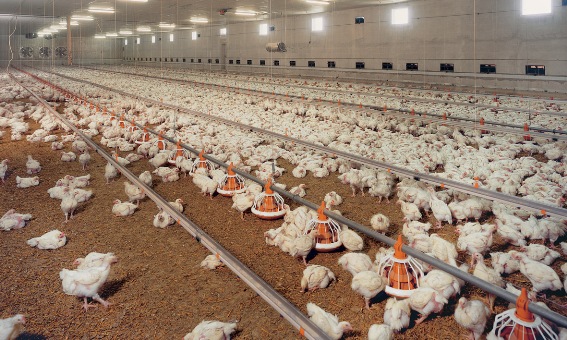


The egg is one of the most consumed and valued foods in the Mexican diet. Due to its culinary versatility, nutritional value and relatively affordable price, this poultry product enjoys constant and growing popularity throughout the country. The following is a general overview of egg consumption in Mexico, highlighting relevant data and the economic and cultural factors that contribute to its high level of acceptance, based on the latest report on the egg sector in Mexico published by the SIAP of the Mexican Ministry of Agriculture.
1. Production and per capita consumption
- Consumption leadership: Mexico has long held one of the top positions worldwide in per capita egg consumption. It is estimated that each Mexican consumes an average of between 370 and 380 eggs per year, a figure that reflects the significant importance of this product in the national diet.
- Main production zones: The states with the highest egg production in Mexico are Jalisco, Puebla, Sonora and Nuevo León, among others. Jalisco in particular stands out for its substantial share of national output.
- Self-sufficiency: The country maintains a robust production base that covers the majority of domestic demand. However, in response to specific circumstances — such as avian disease outbreaks or fluctuations in input costs — slight variations in supply and egg prices may occur.
2. Factors driving high demand
a) Nutritional value
The egg is considered a complete food owing to its content of high-quality protein, vitamins (A, D, B12, among others) and minerals such as iron and selenium. It also contains healthy fats, making it a fundamental component of a balanced diet.
b) Affordable price
Despite seasonal price variations, eggs tend to remain one of the most economical sources of animal protein on the Mexican market. This cost-to-benefit ratio makes them the protein of choice for a large number of households.
c) Culinary tradition
Iconic dishes of Mexican gastronomy — such as huevos rancheros, huevos a la mexicana, chilaquiles with egg, or scrambled eggs prepared with various accompaniments — form a culinary heritage that has been passed down from generation to generation, reinforcing the perception of the egg as an essential food on the dinner table.
3. Challenges and opportunities for the sector
- Poultry health: Production faces challenges related to the control of poultry diseases, such as avian influenza. The prevention and containment of outbreaks are critical to maintaining stability in supply and pricing.
- Sustainability and animal welfare: There is growing interest among consumers and organisations in production methods that are more environmentally friendly and that safeguard the welfare of birds. This has led an increasing number of companies to explore more sustainable or cage-free production systems.
- Innovation and added value: In addition to conventional eggs, the market is beginning to demand alternatives such as Omega-3-enriched, organic, free-range or cage-free eggs. This diversification enables the sector to serve specific consumer segments and enhance competitiveness.
- Price and input cost fluctuations: The cost of essential inputs — such as maize and soybean for poultry feed — can vary on international markets, impacting the final consumer price. The challenge lies in effective risk management and the adoption of efficient production practices.
4. Impact on the economy and food security
The egg industry is an important pillar of the Mexican economy, both in terms of direct employment generated at poultry farms and hatcheries, and the indirect jobs created in transport, distribution and retail. Furthermore, access to a quality source of protein at a reasonable price contributes to the food security of millions of families in Mexico, where purchasing power can be limited.
5. Future prospects
- Sustained growth in the domestic market: Egg consumption is expected to remain stable or grow moderately, supported by strong cultural preference and its status as a staple food.
- Investment in technology: The adoption of modern production techniques and the digitalisation of processes will enable the poultry industry to increase efficiency and competitiveness.
- Consumer education: Growing awareness of health and sustainability presents opportunities to promote the consumption of fresh, organic or enriched eggs, in line with healthier and more responsible lifestyles.
The egg: a deeply rooted food with consumption that continues to grow in Mexico.
The high level of egg consumption in Mexico is the result of its deep culinary roots, its nutritional value, its competitive price and the strength of the national poultry industry. While it faces challenges such as poultry health management, input price volatility and the need to adapt to new trends in responsible production and consumption, the sector continues to play a key role in the country’s economy and food security.
The versatility of the egg and its cultural acceptance suggest that consumption, far from plateauing, will continue to grow. Through innovation and the adoption of sustainable practices, the Mexican poultry industry is likely to maintain and even strengthen its global leadership in the production and consumption of this highly valuable food.