
The poultry industry is in regulators’ crosshairs, despite being one of the livestock sectors with the lowest greenhouse gas emissions.
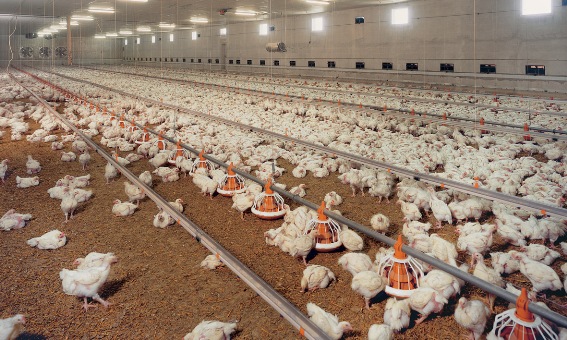
Poultry farms generate several harmful gases that, at elevated concentrations, affect both bird health and the production environment. In particular, the presence of ammonia and other greenhouse gases inside poultry houses is a growing concern for the industry, as it is directly linked to bird performance, disease proliferation, and increased rearing costs.
This article investigates the relationship between gases emitted by poultry farms and their effects on productive performance and bird health. The main gases involved and their sources are analysed, and technological solutions — such as advanced ventilation systems — are proposed to mitigate the impact of these emissions.
Main Gases Emitted in Poultry Farms
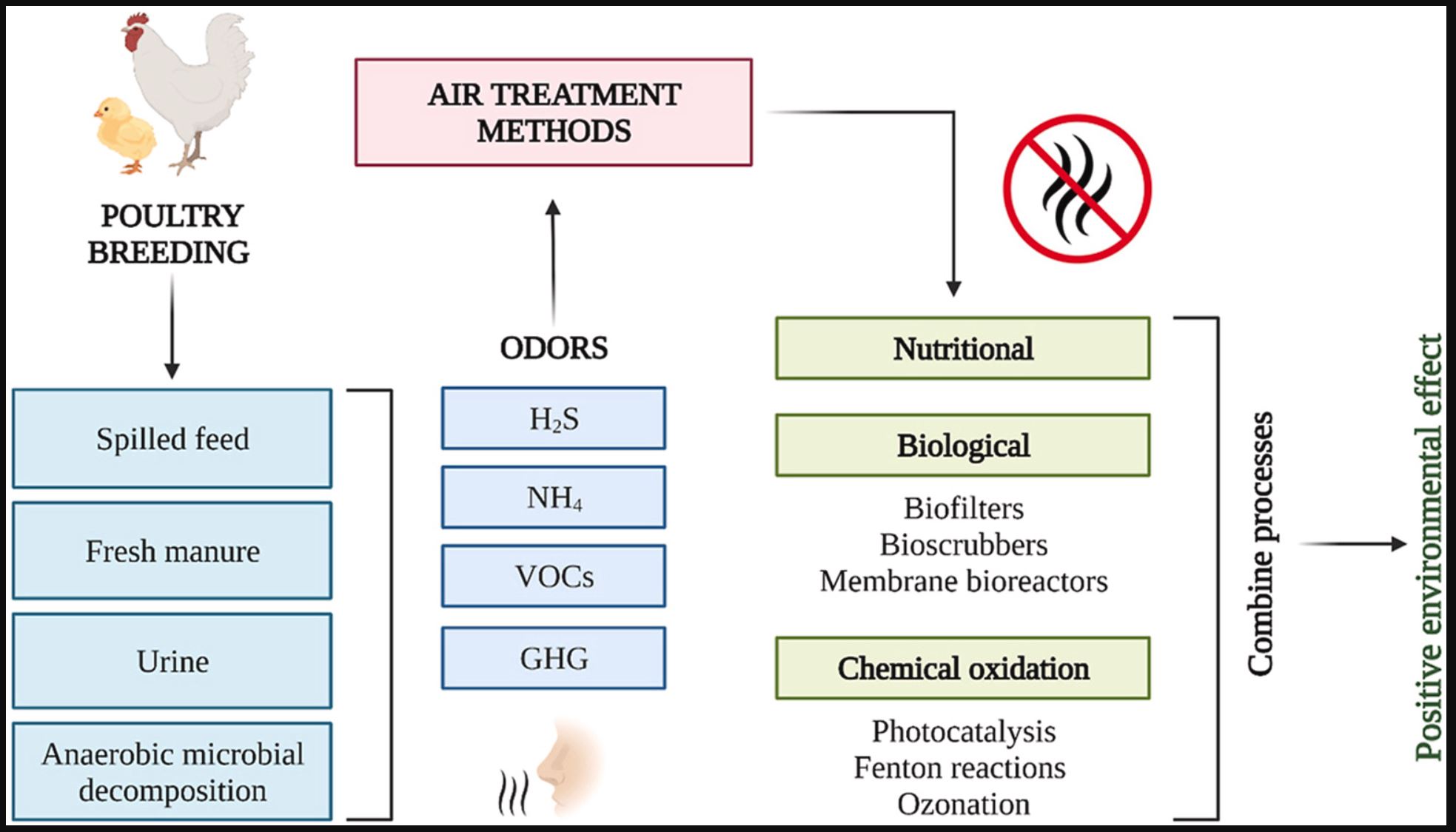
The study identifies four greenhouse gases that, when emitted in excess from poultry farms, can have polluting effects: ammonia (NH₃), carbon dioxide (CO₂), methane (CH₄), and hydrogen sulphide (H₂S).
- Ammonia (NH₃): Ammonia is the most concerning gas in terms of its direct impact on bird health. It is produced primarily through the decomposition of uric acid present in bird excreta. Ammonia becomes a critical problem when it exceeds permissible limits (15 ppm), as it can cause ammonia blindness, respiratory disease, and increased susceptibility of birds to infections such as Newcastle disease and infectious bronchitis. The combination of high humidity, poor ventilation, and high stocking density amplifies ammonia concentrations inside poultry houses.
- Carbon dioxide (CO₂): CO₂ is a by-product of animal respiration and the decomposition of poultry waste. Its concentration in poultry houses increases when inefficient heating systems are used or when ventilation is insufficient. At very high concentrations, CO₂ can cause respiratory stress in birds, reducing growth rates and egg production.
- Methane (CH₄): Although methane is less prevalent than ammonia or CO₂, its impact on climate change is significant. It is generated through anaerobic fermentation of organic matter, primarily in wet poultry litter. While methane levels emitted by poultry are relatively low, their contribution to global warming is a matter of concern.
- Hydrogen sulphide (H₂S): H₂S is an extremely toxic gas produced during the decomposition of sulphur-containing compounds in litter and poultry excreta. At high concentrations, it can cause severe damage to the birds’ respiratory system and even death in extreme cases. Furthermore, this gas compromises air quality on farms, which also poses a hazard to farm workers.
“EXCESS ammonia directly affects the health and welfare of birds, undermining production and increasing rearing costs.”
Sources of Gas Emissions
Harmful gases in poultry farms originate from several sources. One of the main sources is the decomposition of wet litter, which acts as a breeding ground for bacteria that break down organic matter and release ammonia and other gases. The type of litter used (wood shavings, straw, etc.), its moisture content, and the quality of ventilation are determining factors in the quantity of gases emitted.
The design and geographical location of poultry facilities also play a crucial role. Poorly designed facilities with inefficient ventilation systems do not allow adequate air circulation, which increases gas concentrations. In addition, the seasons of the year influence the amount of gases emitted. In summer, elevated temperatures and increased metabolic activity of birds raise ammonia emissions, while in winter, inadequate ventilation — resulting from closing doors and windows to retain heat — causes dangerous gas build-ups.
Effects on Bird Health
The impact of excess gases on bird health is devastating, particularly with regard to ammonia. Prolonged exposure to elevated concentrations of this gas causes irritation of the eyes, skin, and respiratory system. In severe cases, birds develop air sacculitis, decreased feed intake, and a general deterioration of their immune system, making them more susceptible to viral and bacterial infections.
Furthermore, a decline in egg production has been observed, along with reduced egg quality, characterised by lower albumen density and thinner eggshells. In broilers, ammonia impairs weight gain capacity, which increases the feed conversion ratio (FCR), resulting in higher production costs.
Another gas that affects bird performance is CO₂, which at elevated levels causes breathing difficulties and physiological stress. This gas also interferes with the birds’ ability to regulate their body temperature, which can lead to abnormal behaviour and reduced feed intake, adversely affecting growth and production.
Well-ventilated poultry houses: the best solution.
Adequate ventilation is one of the most effective solutions for reducing the concentration of harmful gases in poultry farms. Advanced ventilation technologies, particularly negative pressure systems, have proven highly effective in expelling hazardous gases and maintaining a healthy environment for birds. These systems allow better control of temperature, humidity, and air quality inside poultry houses.
The development of precision agriculture has also contributed significantly to improving environmental management on farms. Smart sensors can monitor air quality in real time and automatically adjust ventilation systems as needed. These advances not only improve bird health and welfare, but also reduce operating costs by optimising energy use and minimising waste.
Ventilation, management, and technology: the keys to minimising emissions in poultry production
Controlling harmful gas emissions in poultry farms is essential to ensuring sustainable and profitable poultry production. The combination of good management practices — such as the use of appropriate litter, efficient ventilation systems, and environmental monitoring technologies — is key to mitigating the negative effects of these gases on bird health and productive performance.
The poultry industry must continue to invest in technological solutions that improve the farm environment, not only to protect bird health, but also to reduce its environmental footprint, in line with global sustainability objectives.
For further reading: “Effects of Harmful Gases Emitted from Poultry Houses on Productive and Health Performance” Mahdi Saleh Mohammad Al-Kerwi et al 2022 IOP Conf. Ser.: Earth Environ. Sci. 1060 012082 DOI 10.1088/1755-1315/1060/1/012082