
Although genetics has improved reproductive traits more in laying strains than in broiler breeder strains, the ageing of males remains a critical factor in fertile egg production and hatchability.
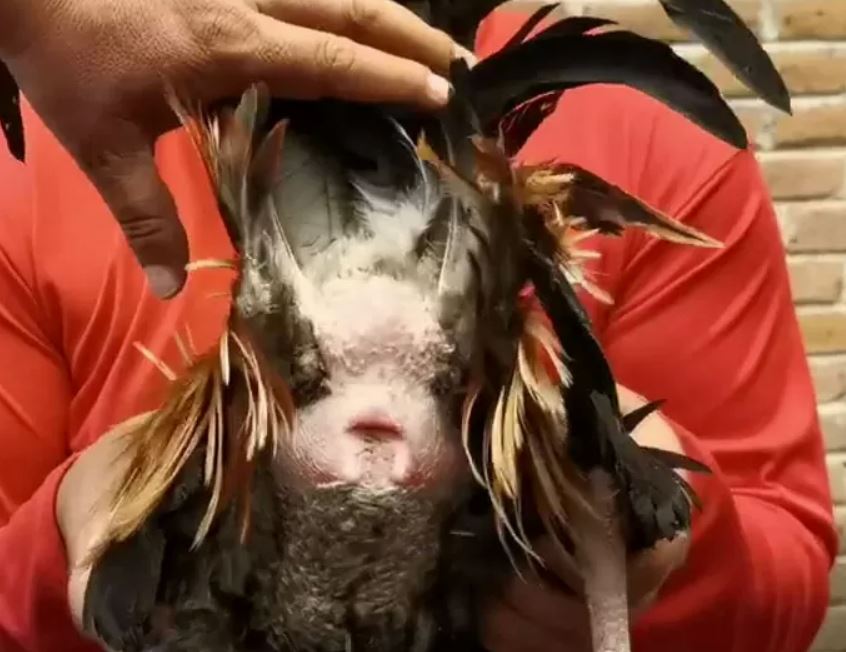
Eder O. Barbosa, from Brazilian company Mercoaves, and his colleagues from Aviagen Latin America and the University of São Paulo, have evaluated the effects of cloacal feather trimming in males on the reproductive parameters of a commercial flock with natural mating. The study results were presented at the International Poultry Scientific Forum held at the recent IPPE 2025.
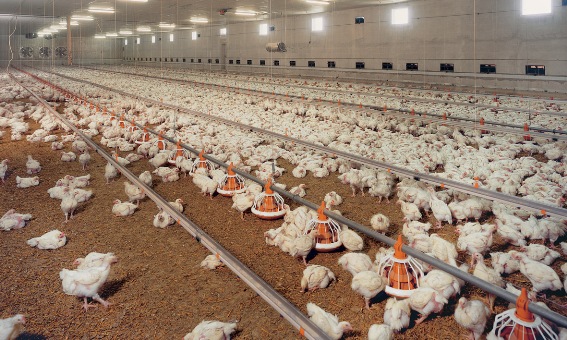
The trial was conducted in a breeder house housing 11,238 females and 1,230 Bovans White males, divided into 6 sections, in 3 of which the roosters underwent monthly cloacal feather trimming and 3 of which did not. From 35 to 77 weeks of age, 2,880 eggs from each group were collected every 40 days, marked, and returned with the remaining eggs to undergo the company’s standard management procedures for handling, storage, transport and incubation: both at farm level and in the hatchery. Subsequently, unhatched eggs from both groups were subjected to embryonic diagnosis.

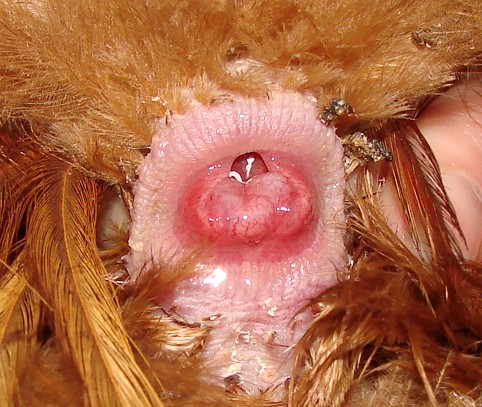
The age of the breeders had an impact on all parameters evaluated. Cloacal feather trimming reduced infertility and early embryonic mortality (0–4 days), improving hatchability. Interactions between cloacal feather trimming and age were observed for infertility and embryonic mortality.
From 41 to 77 weeks of age, infertility in the group with intact cloacal feathers was reduced by between 1.14% and 3.26% compared with the control group, and hatchability increased by between 2.63% and 4.27%.

These findings indicate that a simple management practice such as cloacal feather trimming in males can significantly benefit breeder flock production and can be incorporated into routine farm management practices, whether at parent, grandparent or great-grandparent level.
Source:
-. Cloacal feather trimming improves reproductive performance of layer breeder roosters
2025 International Poultry Scientific Forum, Georgia World Congress Center, Atlanta, Georgia
Eder O. Barbosa2, Regina C. Porto2, Felipe L. roetz Neto3, Ricardo J. Pereira*1
1College of Veterinary Medicine and Animal Sciences – São Paulo University, Animal Reproduction, Pirassununga, São Paulo, Brazil; 2Mercoaves Comercio de Aves Ltda, Piracicaba, São Paulo, Brazil; 3Aviagen America Latina Ltda, Campinas, São Paulo, Brazil