

The anti-nutritional factors (ANF) of plant origin are highly abundant in nature, having negative effects on feed intake and on the physiological and metabolic processes that reduce nutrient availability in poultry.
Traditionally, broiler growth has been based on the use of in-feed antibiotics until 2016. Following their ban, the absence of growth promoters gave rise to a series of problems for the European poultry sector, including a higher incidence of wet litter, breast blisters and footpad dermatitis on farms, as well as an increase in the use of antibiotics for therapeutic purposes.
The situation improved with changes in management feeding programmes, feed form and nutrient specifications. In addition, the sector became interested in the use of plant-based feed supplements to maintain or restore flock health and productivity.
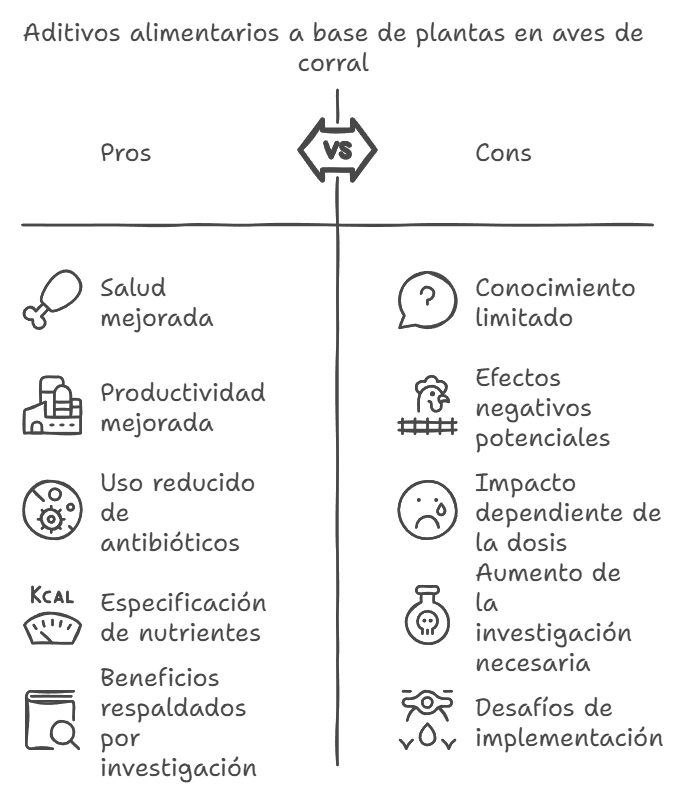
Until this point, knowledge of the mode of action of these new additives and how they interfered with feed utilisation and animal health had been very limited. Numerous studies on the potential benefits of plant secondary metabolites on voluntary feed intake as enhancers of health status and bird growth have been conducted at universities and research institutions worldwide.
It has become evident that many plant components, such as tannins, flavonoids, saponins, α-galactosides, haemagglutinins and trypsin inhibitors, present in numerous ingredients, could have either positive or negative effects in both humans and animals, depending on the dose.
Indeed, when used at high doses, most ANF present in plants result in reduced growth and poor health status in poultry. However, the same ANF, at low inclusion levels, prevented or reduced numerous oxidative and inflammatory processes in poultry.
Furthermore, subsequent studies in humans have shown that the inclusion of some of these additives in the diet has reduced the incidence of common health conditions such as diabetes mellitus, coronary insufficiency and cancer.
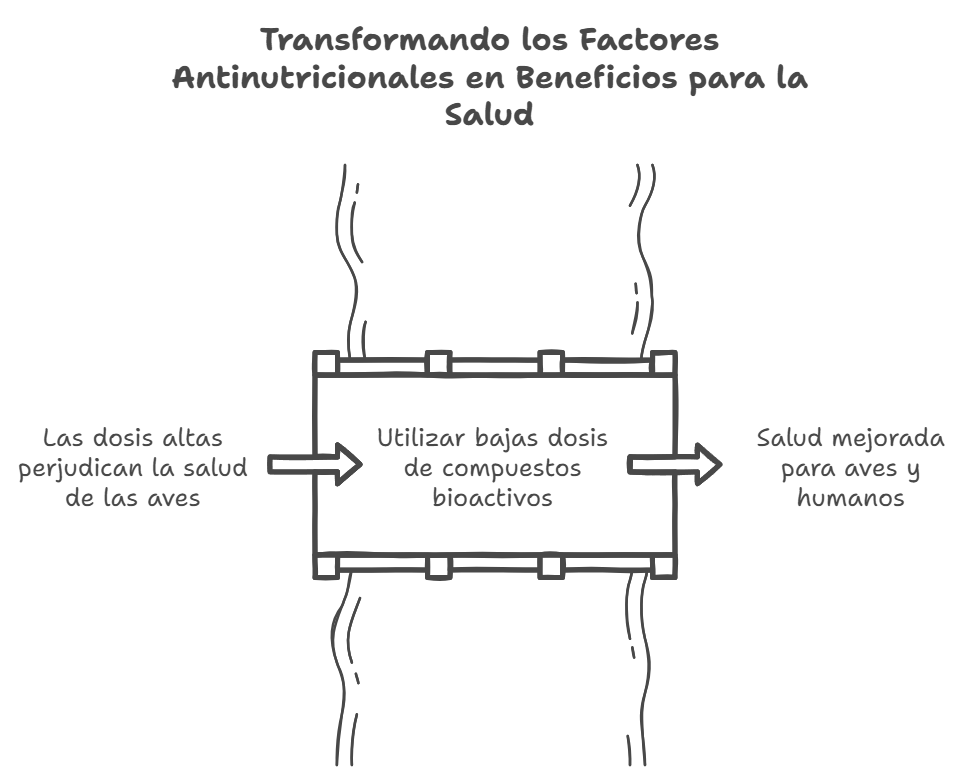
Due to their high biological activity when consumed in adequate amounts, the term “anti-nutritional factor”, commonly used in animal nutrition for most of the components or secondary metabolites present in certain ingredients, is now referred to as “bioactive compounds” or “pharmacologically active agents”. Consequently, many plant-derived metabolites are currently being used not only to improve poultry production, but also to enhance the health status of many species, including the human population.
Source: Gonzalo G. Mateos. Proceedings XVI European Poultry Conference, June 2024, Valencia