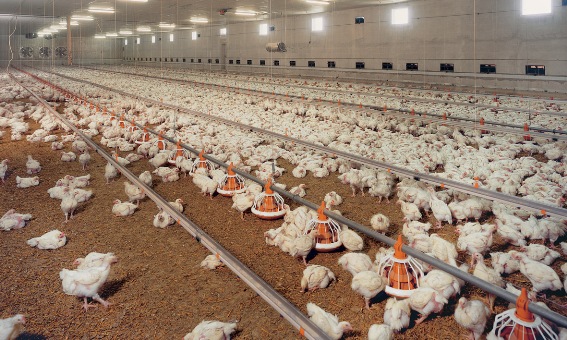

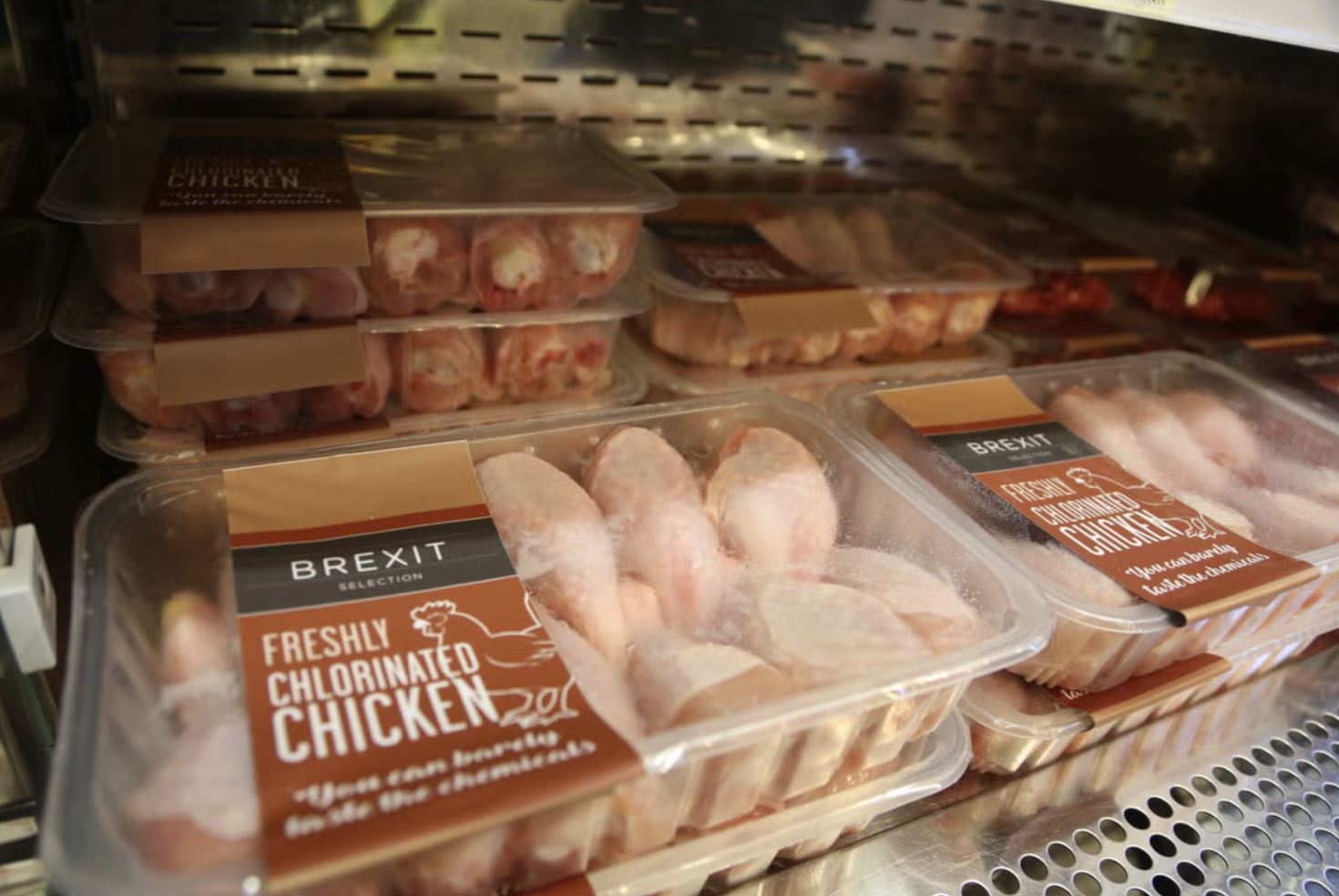
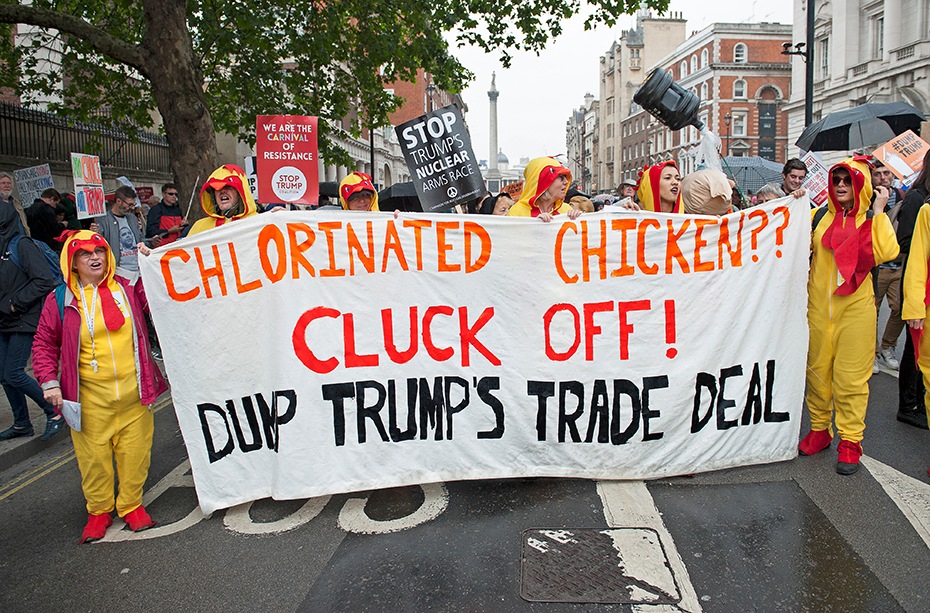
The EU has spent nearly 30 years prohibiting “chlorinated” chicken from its shops, but the tariff war and pressure from the Trump Administration could change this.
Chicken is processed differently in the USA than in the EU and the United Kingdom, which makes Europeans sceptical about American “chlorinated chicken”, and we hope this remains the case, as reinstating this post-slaughter treatment would undoubtedly represent a step backwards in food safety and on-farm biosecurity in exchange for a pyrrhic victory for Europe on certain tariffs.

When President Trump recently complained about Europe’s refusal to buy American chicken, his remarks referred to a longstanding trade dispute that has flared up from time to time. The term refers to the use of chlorine in poultry processing plants after slaughter in order to reduce bacteria that are common sources of foodborne illness, such as Salmonella and Campylobacter.
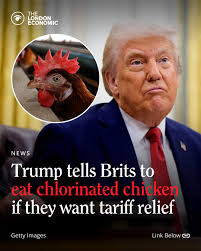
This was standard practice in the USA when the European Union first enacted a ban in 1997 prohibiting chlorine and other so-called “pathogen reduction treatments”.
However, while it is hardly surprising that chlorine-soaked chicken has few advocates among European consumers, the issue has evolved considerably over the years.
“The vast majority of chicken in the United States is not treated with chlorine and has not been for quite a few years,” says Dianna Bourassa, microbiologist at Auburn University, “so that is not the issue.” And according to the National Chicken Council of the USA, fewer than 5% of processing facilities use chlorine only, in rinses and sprays, at safe concentrations.
Today, processing plants in the USA primarily use organic acids to reduce cross-contamination, principally peracetic or peroxyacetic acid, which is essentially a mixture of vinegar and hydrogen peroxide. This extends shelf life and significantly reduces bacterial loads.
The EU focuses on pre-slaughter biosecurity across the board. The USA concentrates on products to treat the meat once the bird has already been slaughtered.
Moving away from chlorine has enabled the USA to export its poultry to other countries that ban chlorine, but the United Kingdom and the European Union still do not permit any chemical treatment of their poultry, even though such treatments have been shown not to pose a risk to human health at the concentrations used in processing. The European ban is rooted in the belief that disinfecting poultry carcasses with chemicals is essentially a way of masking poor food safety standards in the USA.
The US poultry industry rejects this argument and has lobbied for the EU to reverse its rules on imports.
The European Union relies on “pre-harvest interventions” to reduce pathogens while the animal is still alive, including vaccination and various types of feed additives, whereas the USA tends to focus on chemicals and other strategies to kill pathogens once the animal has already been slaughtered.
However, while the EU argues that US producers should look to their European counterparts and seek to emulate their “farm to fork” approach, there should be no pressure to change its own standards to accommodate the USA.
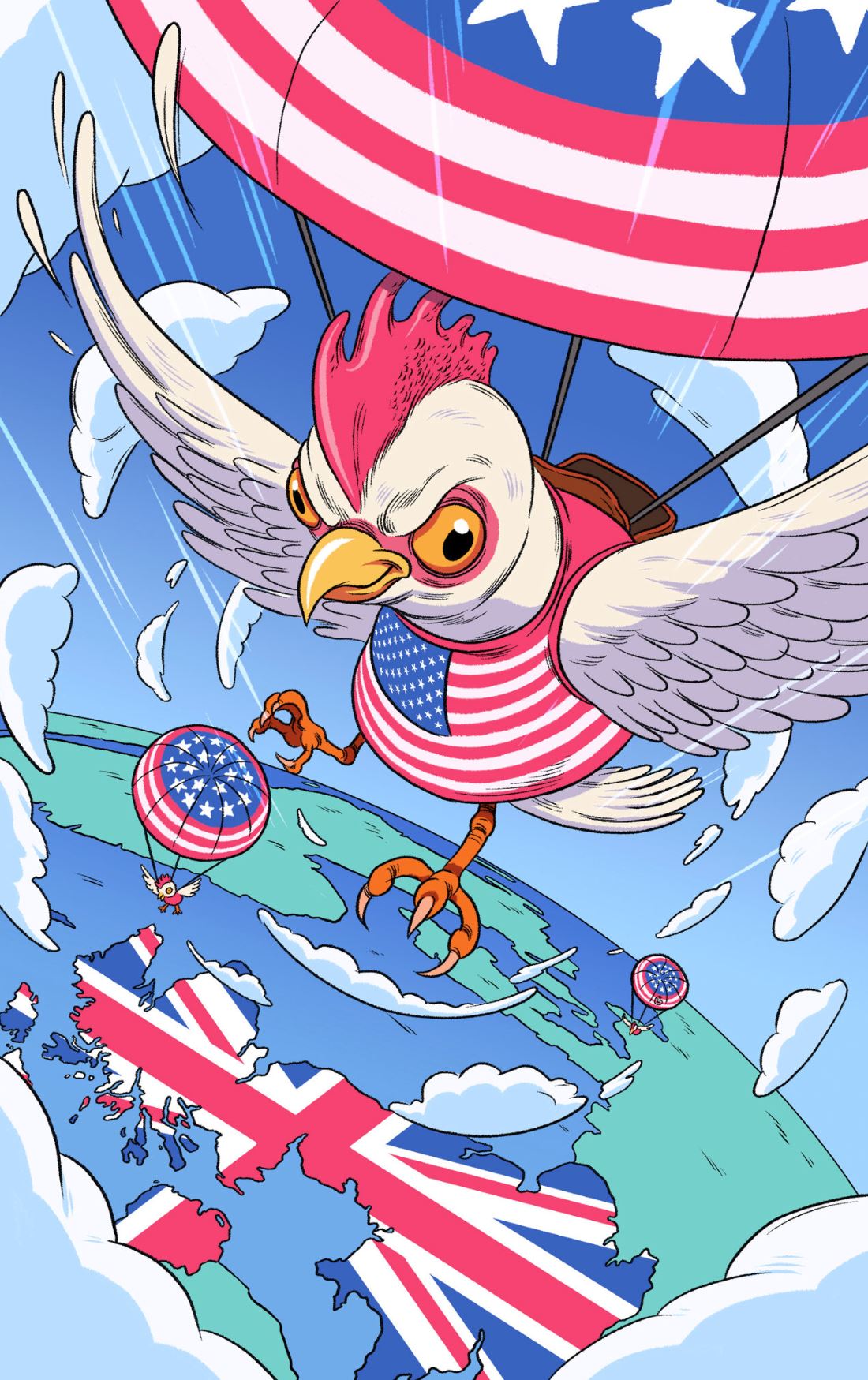
European consumers are likely to be more risk-averse than American consumers and to hold different values, which is also reflected in their regulations, operating according to the “precautionary principle” with regard to food safety.
In practice, however, since neither region’s approach is entirely effective at eliminating risk, what matters most is keeping up to date with kitchen hygiene and heeding one simple piece of advice: do not wash raw chicken at home, as this will only spread any bacteria present on it, and always ensure it is cooked thoroughly to an internal temperature of 74 °C.