
Poultry producers in the developed world face different regulations, specific to each country or trade region. This was highlighted, for example, at the recent Symposium of the South African branch of the WPSA by a Dutch researcher who stressed that animal welfare still has a long way to go.
It comes as no surprise that operating in a wealthy First World country, such as those that make up the European Union (EU), entails special requirements that are not achievable in South Africa or other developing countries, where food security is an urgent priority due to widespread poverty.
Annemarie Mens, researcher in poultry nutrition and physiology, and chair of the animal welfare body at Wageningen University in the Netherlands, shared information on the welfare challenges facing producers in the EU in a presentation at the 41st symposium of the South African branch of the World’s Poultry Science Association (WPSA), held in March in Pretoria. The symposium, attended by 400 delegates from more than 50 countries, was themed “Advances in Poultry Science: A Holistic Approach”.
Mens emphasised that animal welfare depends on what is feasible in each country. “In the EU we have wealthy countries, a wide range of possibilities and a great deal of research, so there are more options.”
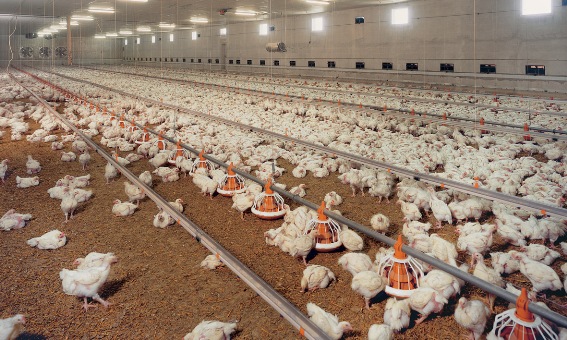
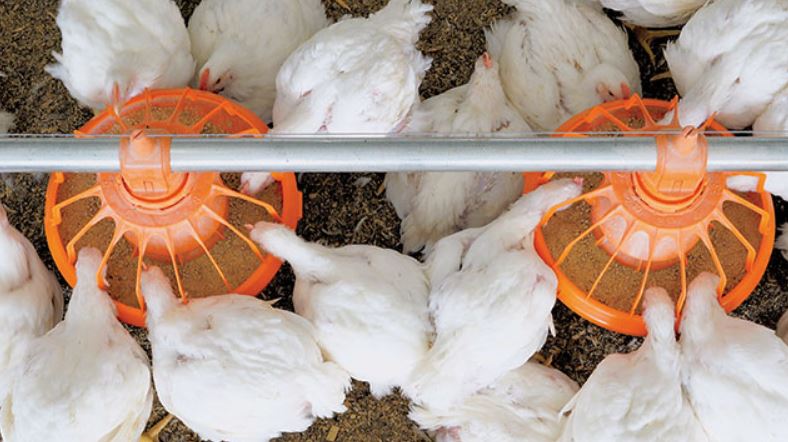
Poultry producers in the EU must comply with very strict animal welfare regulations, but these standards also create new challenges. The regulations include limitations on how many birds can be housed in a given space and prescribe the type of enrichment items that must be provided, the feeding frequency, the amount of lighting and the ventilation that must be in place.
“In trying to meet the natural needs of the animals within a production system, we are actually creating our own problems,” said Mens. “Nutrition can be a valuable and relatively simple method to influence, mitigate or prevent welfare problems.”
At a global level, feed restriction is standard practice with broiler breeders to strike a balance between growth potential and reproduction. If a bird is too heavy, it has a negative impact on reproduction.
“EU legislation stipulates that birds must be fed every day, which we address by providing smaller amounts,” said Mens. “However, it is under debate whether this causes the birds to be hungry or frustrated.”
Possible nutritional solutions for this are:
- Scatter feed onto the litter, which increases foraging behaviour and keeps birds occupied to prevent negative behaviours.
- Dilute the feed with non-starch polysaccharide (NSP) sources, such as oat hulls.
With laying hens, the transition to a cage-free environment has led to an increase in certain problems, with feather pecking, toe pecking and cannibalism becoming more prevalent.
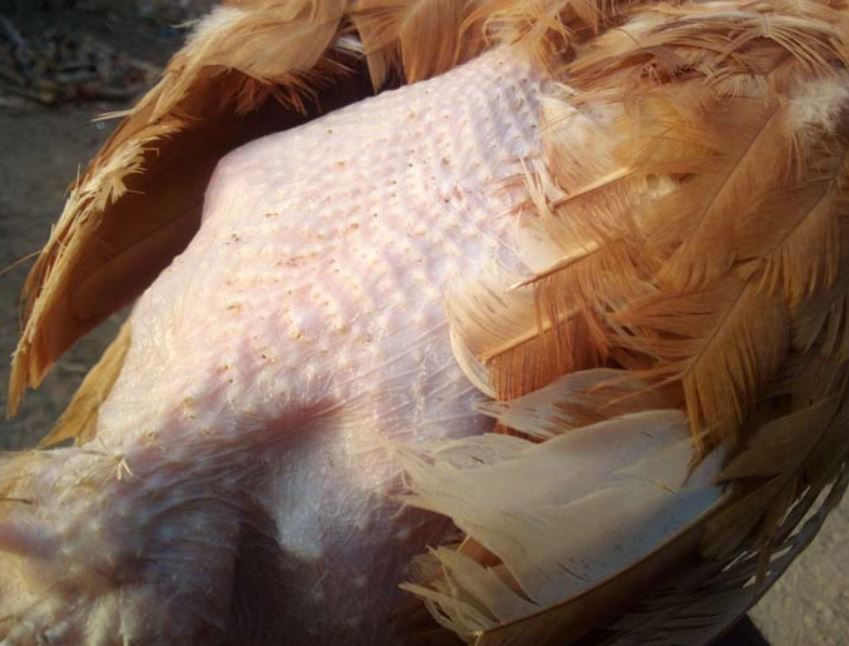
Nutritional strategies are also believed to offer solutions, such as:
- Addressing protein and amino acid deficiencies.
- Including additional tryptophan, as it is a precursor of serotonin which, when low, is associated with a high incidence of pecking.
- Including coarse dietary fibre (NSP), which, among other effects, increases satiety and improves gizzard development.
Birds with more space and freedom can injure themselves or one another more easily. Due to higher activity levels, these birds also have 10% to 15% higher energy consumption.
41st SYMPOSIUM South African Branch of the WPSA
3 additional highlights from the symposium
How floor layout when designing a broiler breeder house affects mating frequency
Dr Rick van Emous, researcher in animal production at Wageningen University, believes that the design of a broiler breeder house is an important factor in hatchability. He believes that the improvement in hatchability in the Netherlands is due to the fact that the houses have a raised central area with a slatted floor and litter on both sides.

The advantage is that there are two separate litter sections for males, occupying 50% of the space, which is more than doing it the other way around, with litter in the centre, in which case it occupies 33% of the space.
This layout is important because the majority of matings take place in the litter area. Rick believes that a larger litter area leads to lower male density and fewer aggressive interactions. He also noted that with this type of layout it is less likely for females to hide in the slatted area to avoid males. In addition, there is an increase in mixing between females and males at the end of the day, which is when more matings occur.
Biosecurity lessons from the avian influenza outbreak
Devin Stuart, Associate Director of Quality Assurance and Veterinary Services at Cobb, in the United Kingdom and the Netherlands, shared the knowledge gained by the company when it experienced four highly pathogenic avian influenza (H5N1) outbreaks in less than a year, in 2022. Three were on grandparent farms and one on a great-grandparent farm. Prior to that, Cobb had experienced no AI outbreaks, no Salmonella outbreaks for more than ten years, and no Mycoplasma outbreaks for more than eight years. Following the AI outbreaks, Cobb conducted a thorough investigation to identify any possible routes of virus entry.
New measures implemented at their operations in the Netherlands included:
- Fumigating all egg packaging materials.
- Not cleaning ventilation grilles during rearing cycles.
- Implementing a new house maintenance programme to reduce equipment breakdowns during a cycle (which would require machinery to enter for repairs).
- Installing a shade mesh barrier on the sides of the houses to effectively protect the ventilation grilles against large debris without interfering with airflow.

Perspectives on antimicrobial resistance
Dr Shabbir Simjee, Medical Director at Elanco and Global Regulatory and Technical Adviser for Elanco’s antimicrobial portfolio, addressed research into extended-spectrum beta-lactamases (ESBLs), a type of enzyme that renders certain antibiotics ineffective in treating bacterial infections.
“The differences found between ESBLs in humans and in livestock suggest that farm animals, including poultry, make a relatively small contribution to the ESBLs occurring in humans, compared to the human contribution itself.” Bacterial species are unique to each host group. Research has shown that the infections in humans that raise the greatest concern do not originate from animals.

Even so, the poultry industry must use antimicrobials responsibly. In the words of Jackie Atkinson, Director of Authorisations at the UK Veterinary Medicines Directorate, spoken in 2012: “Use the right medicine, in the right amount, by the correct route and for the stipulated period of time”.
For further information:
-. Advances in poultry science: a holistic approach
Source: Carien Kruger, WAGENINGEN