
The Geographic Anomaly of Dutch Agricultural Dominance
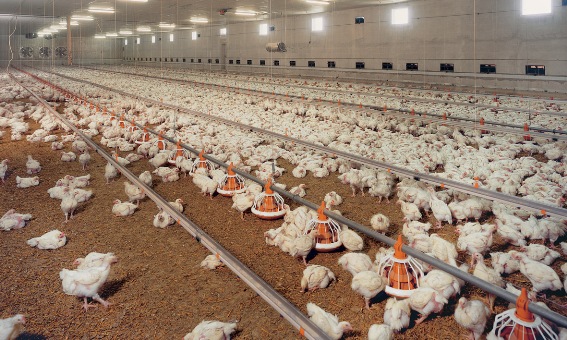
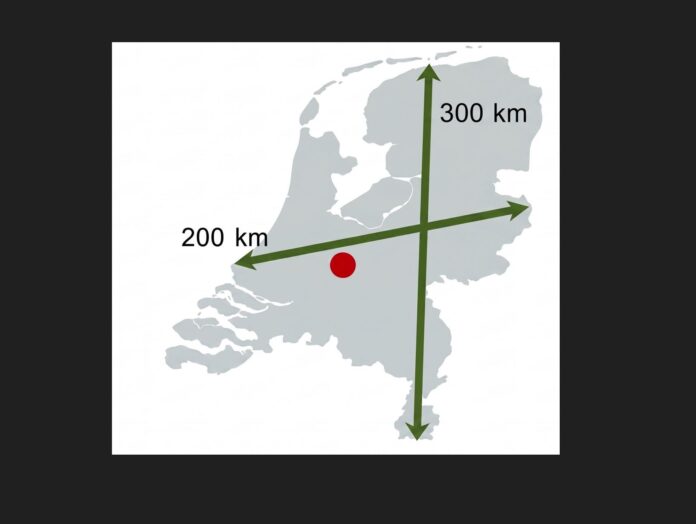
The Netherlands presents a profound geographic paradox. It is a densely populated nation that can be traversed by car from north to south in under four hours, yet it consistently ranks among the world’s top agricultural exporting nations in terms of gross value, trailing only the United States. This outsized global footprint is particularly dominant in the animal protein sector, where the Dutch export more eggs and poultry technology than any other nation on Earth. For international poultry integrators, farm owners, C-level executives, and poultry technology scouts, this geographic anomaly is not a mere trivia point; it is the central organizing principle of the modern poultry industry.
Severe spatial constraints, stringent environmental regulations, and high labor costs have forced the Dutch corporate ecosystem into a culture of hyper-efficiency, relentless automation, and unparalleled animal welfare engineering.
The culmination of this industrial prowess is physically manifested every two years at VIV Europe. The upcoming 25th milestone edition is scheduled to take place from June 2 to June 4, 2026, at the Jaarbeurs exhibition center in Utrecht. Operating under the holistic “Feed to Food” concept, VIV Europe 2026 will gather approximately 600 suppliers across 52,000 square meters of exhibition space, attracting a projected 20,000 international professionals from over 136 countries. Because the organizers, Royal Dutch Jaarbeurs and VNU Europe, have confirmed a strategic transition to a biannual cycle starting in 2028, the 2026 edition represents a critical juncture. It is the premier European platform for capital expenditure planning, offering the global market direct access to the latest Dutch and international innovations in poultry technology: equipments, robotics, artificial intelligence, processing, etc.
The Industrial Pillars of the Dutch Ecosystem
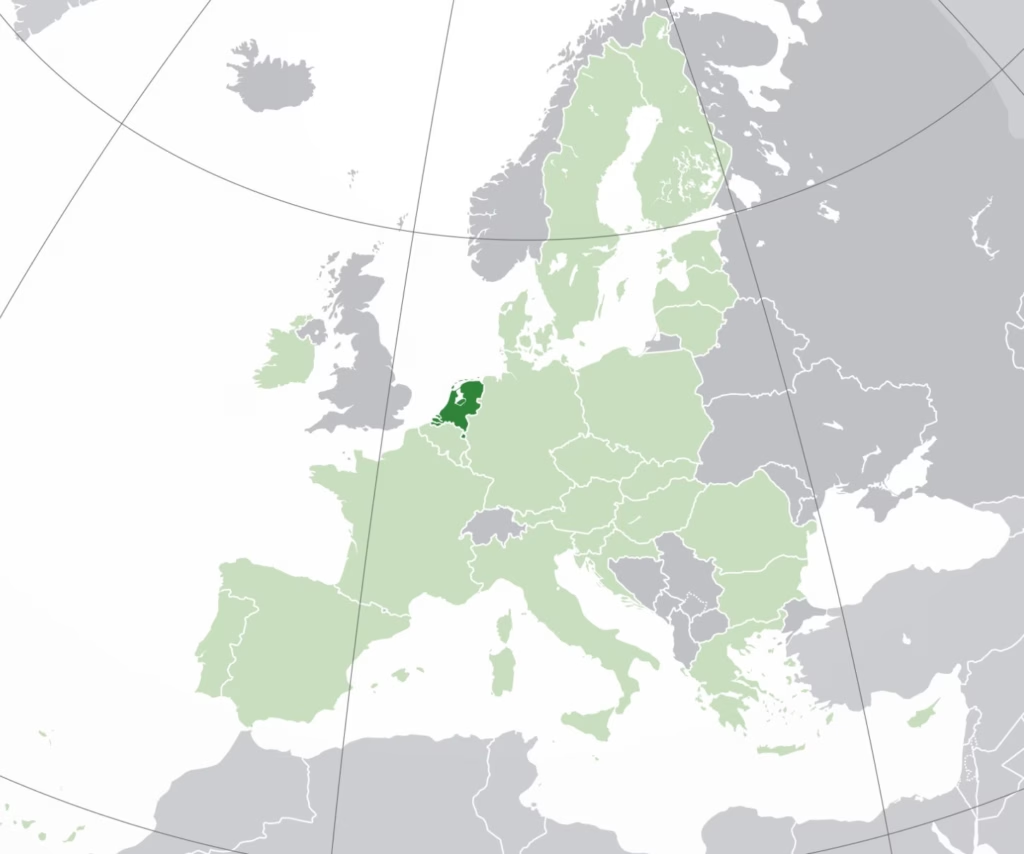
The global dominance of the Netherlands in poultry technology is anchored by a select group of manufacturing pioneers. Companies such as Meyn, Royal Pas Reform, Moba, Vencomatic, VDL Jansen, among others, have dictated the pace of global poultry automation for decades. Their solution architectures define the modern standard for processing, incubation, grading, and housing. At VIV Europe in Utrecht, these corporate entities do not merely display equipment; they deploy new industrial standards that reshape global supply chains.
Poultry Processing at the Limit of Physics
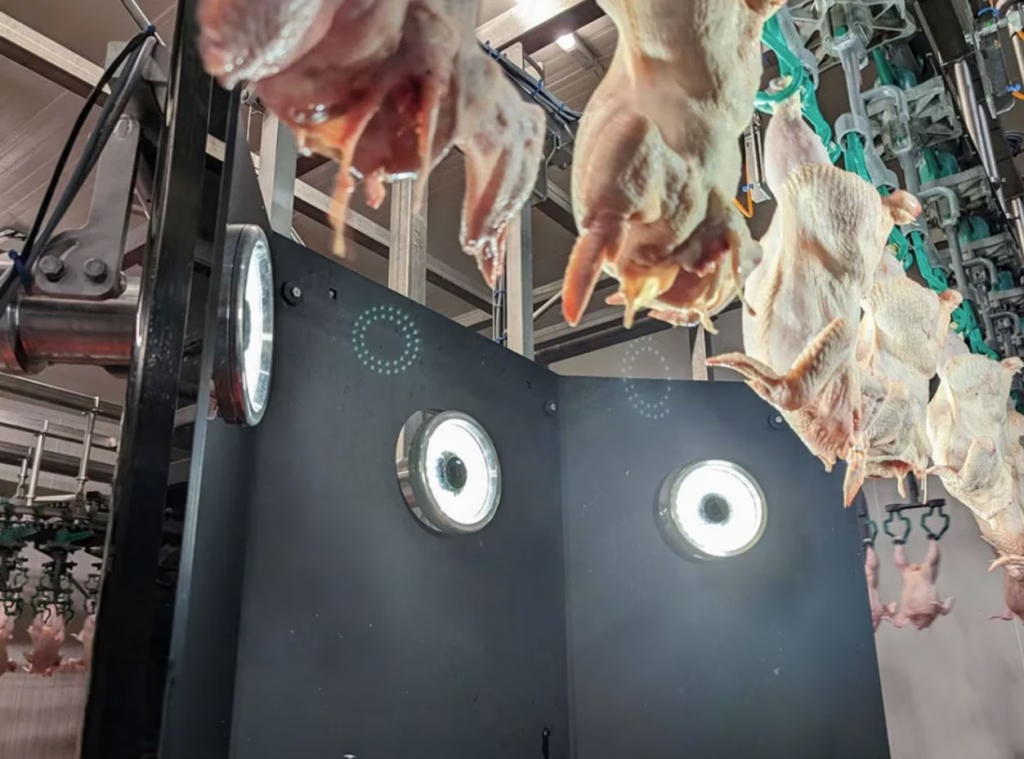
At the forefront of high-speed poultry processing is Meyn, a company whose equipment architecture addresses the intersecting crises of varying biological bird sizes, regulatory compliance, and severe global labor shortages. Modern processing plants operate under immense pressure to maximize yield per carcass while maintaining line speeds that exceed human physical capacity.
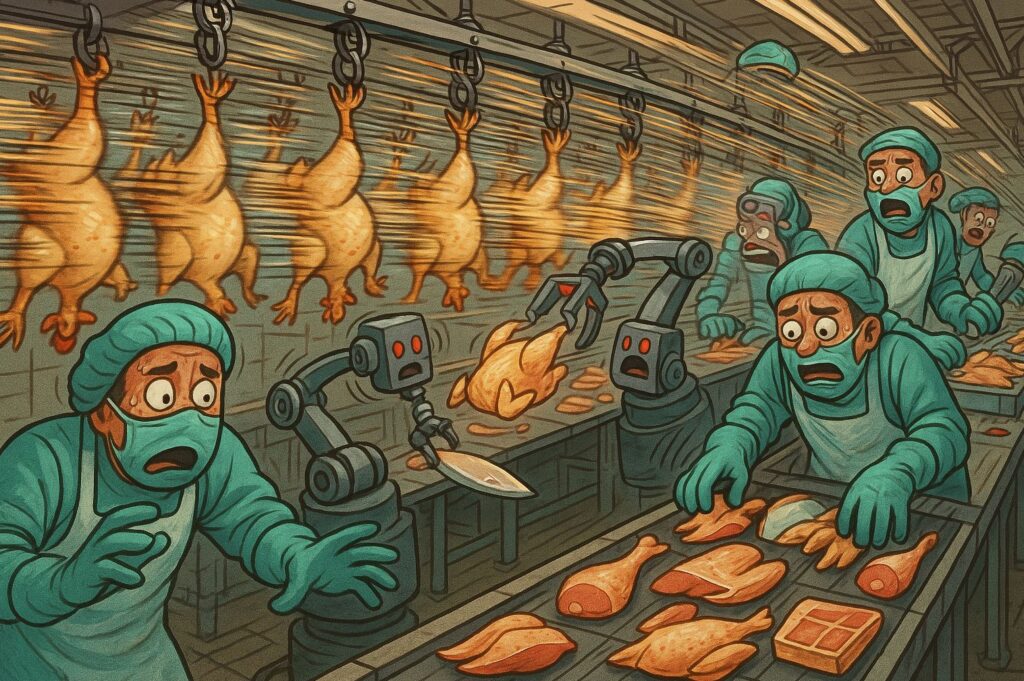
Meyn’s response is the Rapid Plus M5.0 breast deboner, a fully automated system capable of processing up to 7,000 breasts per hour. By integrating intelligent cutting, automatic wishbone removal, and adaptive scraping technologies, the M5.0 eliminates the need for manual adjustment, delivering consistent results across breast caps and front halves alike.

The economic implications of such precision are transformative. During a rigorous two-year pilot program with Norsk Kylling, the implementation of Meyn’s Rapid technology enabled the facility to produce an additional 800,000 meals annually without slaughtering a single extra chicken. This capability to extract absolute maximum value from every carcass represents a critical convergence of profitability and sustainability. Furthermore, Meyn’s portfolio encompasses the entire processing line. Their Multi Vision Quality Grading system utilizes AI-trained optical arrays to direct each bird to its ideal cutting process at maximum speeds. Combined with the new Maestro Eviscerator Prime, which introduces automated giblet harvesting to improve product consistency, and the Physic In-line Thigh Deboner, which can process 15,000 whole legs per hour, Meyn’s architecture ensures that high-volume processors can scale operations infinitely without compromising yield.
The drive toward intelligent processing is further echoed by other key exhibitors participating in VIV Europe 2026. AG Automation, founded by a collaboration of engineers and mathematicians, utilizes artificial intelligence to transform meat and poultry handling. They build complete AI-powered machines and retrofit upgrades that replace outdated rule-based software with adaptive, real-time decision-making systems for intelligent batching and scheduling.
Similarly, the British firm Anglia Autoflow, operating since 1969, will demonstrate its turn-key solutions for live bird logistics and factory handling. Anglia Autoflow is responsible for introducing the Easyload harvester in the 1980s and the world’s first nitrogen-based Controlled Atmosphere Stunning (CAS) system in 2002. Their modern 5-stage CAS system using CO2 allows birds to pass smoothly into unconsciousness while still in their transport drawers, eliminating adrenaline release and significantly improving ultimate meat quality.
Incubation Intelligence and Embryonic Sensing
The Dutch legacy in incubation engineering traces its origins to 1919, when Gerrit Pas invented his first commercial incubation system. Today, Royal Pas Reform operates as a world single-source supplier of fully integrated hatchery technologies. As global hatcheries consolidate into massive, centralized operations, the biological demands of the growing embryo require micro-environmental control that traditional HVAC systems simply cannot provide.
To address this exact vulnerability, Royal Pas Reform will showcase its SmartSense technology suite at VIV Europe 2026. SmartSense represents a paradigm shift toward adaptive embryonic incubation. Utilizing a fully sealed cabinet and next-generation high-accuracy sensors, the system relies on Adaptive Metabolic Feedback (AMF) to monitor and adjust the microclimate in real-time. Because achieving the correct weight loss profile in single-stage incubation is critical for proper air cell development, the AMF system continuously alters ventilation and temperature based on the metabolic heat generated by the embryos. The integration of an Energy Saving Module (ESM) ensures that frequency-controlled motors optimize fan RPMs, drastically reducing energy expenditure without compromising hatchability.
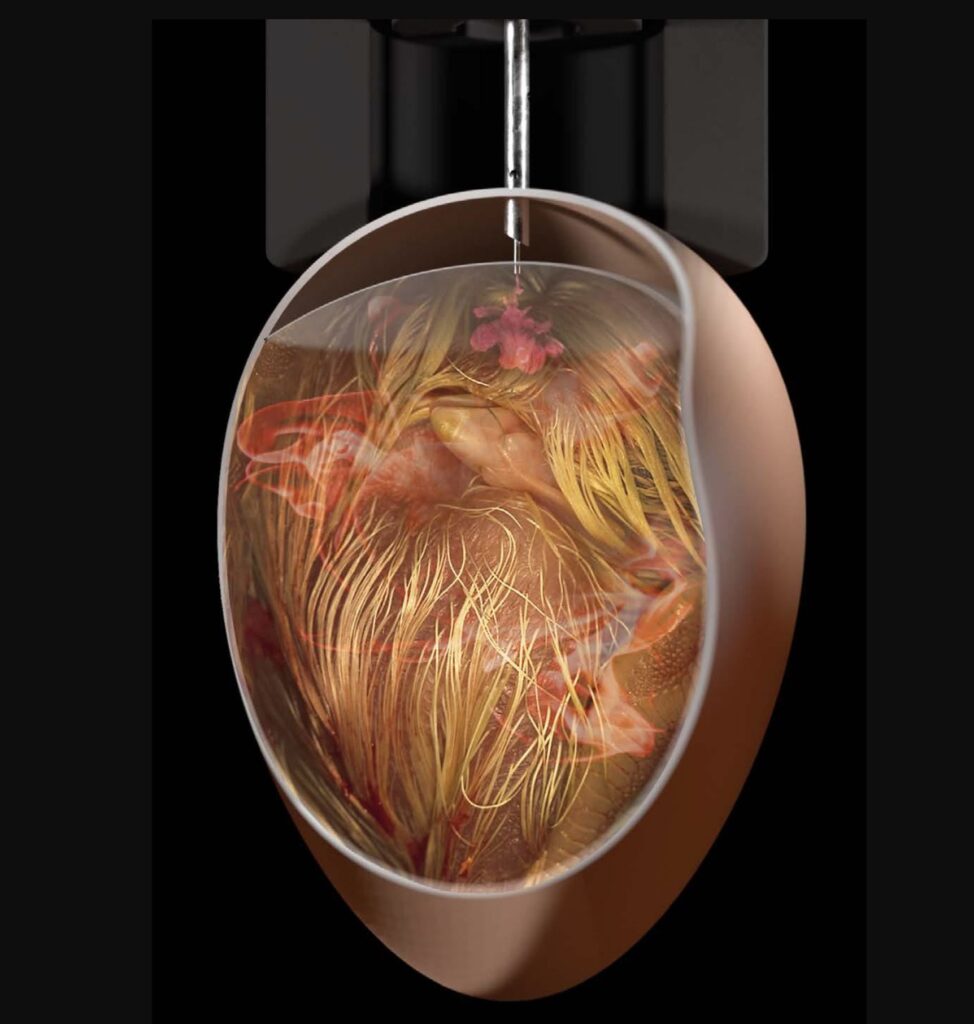
Equally revolutionary is the SmartVac system, an advanced technological solution for in-ovo vaccination and nutrition. As post-hatch labor costs rise and early immunity becomes a critical metric in antibiotic-free production models, moving vaccination into the egg is a strategic necessity. SmartVac utilizes a patented dual-needle system: an outer needle penetrates the eggshell, while a blunt inner needle delivers vaccines (such as Gumboro, Marek, and ND) or nutritional components directly into the amniotic fluid. The blunt design of the inner needle prevents embryonic lesions, guaranteeing 100% safe inoculation.
Furthermore, the system applies selective inoculation by identifying and skipping infertile eggs or early deads, which drastically reduces vaccine waste. Combined with the SmartStart system, which facilitates precision post-hatch feeding and intelligent lighting, Royal Pas Reform offers integrators a comprehensive suite to maximize day-old chick vitality.
Innovations in the hatchery sector at VIV Europe are not limited to incubation hardware. Agri Advanced Technologies (AAT), a subsidiary of the EW GROUP, will present specialized application technologies, including groundbreaking machines for the in-ovo sex determination of layers, as well as grading and vaccination devices for broiler breeders. Concurrently, Innovatec will highlight its partnership with Ghekiere Hatchery, demonstrating how its unique high-vacuum systems achieve healthier chicks, higher hatch rates, and maximum biosecurity protocols.

Egg Grading and Handling: The Artificial Intelligence Revolution
Founded in 1947, Moba has consistently led the global egg handling market, introducing individual egg handling in 1966 and the first computer-controlled grader in 1984. The modern egg packing station faces immense operational hurdles regarding food safety, shell integrity, and high-capacity throughput. Moba’s Omnia PX series and Forta GT systems address these hurdles through unparalleled hygienic design and mechanical automation.
However, the most significant leap forward for the egg industry is Moba’s integration of artificial intelligence into crack detection and weighing. The revolutionary Vision Shell Inspector utilizes AI-powered cameras to detect even the most microscopic hairline cracks without ever making physical contact with the egg. Traditional acoustic scanning systems require physical tapping mechanisms , which introduce mechanical wear, require constant calibration, and create potential cross-contamination vectors. By eliminating all egg-touching parts, the Vision Shell Inspector drastically reduces cleaning time and maintenance costs, thereby increasing food safety.
This visual architecture has recently been upgraded to include Vision Based Weighing. By training their artificial intelligence models on over a billion eggs processed worldwide, Moba has achieved contactless, high-capacity weight classification with extreme precision. For egg producers grappling with severe labor scarcity, these AI-driven systems provide operational independence while maximizing the added value per single egg. This shift toward contactless evaluation is a broader industry trend, mirrored by other exhibitors such as SANOVO, which will also present its Vision Weighing technology utilizing a contactless VisionAI Detector for stable and reliable weight classification at high capacities.
Housing, Welfare Engineering, and Climate Control
The Dutch approach to poultry housing is heavily influenced by domestic regulatory pressures to improve animal welfare and reduce environmental emissions. Ab Jansen’s development of the automated laying nest in 1986 established Jansen Poultry Equipment (now VDL Jansen) as a global pioneer in welfare-centric design. At VIV Europe, the evolution of these systems is evident in the NivoVaria aviary system, which allows layers full freedom of movement across multiple tiers while ensuring easy, intuitive access to resting, eating, and drinking zones. VDL Jansen has also engineered the Apollo Generation 2 chicken loader, which utilizes wider, low-speed conveyor belts to load broilers into transport modules naturally and without stress, significantly improving ultimate meat quality upon arrival at the slaughterhouse.
Similarly, the Vencomatic Group has redefined precision farming with its Meggsius solutions and the Bolegg Terrace aviary, which mimics a natural tree structure to satisfy the hen’s biological instinct to roost safely above ground. Vencomatic’s Rondeel system stands as one of the most ambitious welfare-centric housing designs globally. It merges expansive day quarters outfitted with artificial grass and peat dust-bathing boxes, while nighttime aviary systems provide secure roosting and feeding zones. These structural innovations are perfectly complemented by automated egg transport systems like the Pegasus and Vencobelt, which utilize unique plastic carriers and flexible designs to ensure careful handling and high-capacity transport from the nest directly to the packing room.
Supporting these housing structures are specialized climate and environmental control technologies. Exhibitors such as HATO Lighting will showcase the HLM Pro and CORAX systems, which offer dynamic, total light control across every barn on a single centralized screen. New Agriculture Technologies will present the Blue Line, an innovative, natural-variable-spectrum lumino therapy solution designed to optimize livestock circadian rhythms. To protect these complex environments, companies like Adésys will exhibit their Octalarm system, a robust mechanism that monitors critical technical processes—such as temperature drops, ventilation failures, or power outages—24/7. The Octalarm utilizes a redundant, always-reachable system with three rotating connections (Landline, VoIP, and 4G GSM) to automatically alert farm managers via app notifications or SMS if any environmental parameter is breached.
| Technology Sector | Key Exhibiting Innovator | Flagship System & Capability |
| High-Speed Processing | Meyn | Rapid Plus M5.0 processes 7,000 breasts/hr with AI-driven adaptive wishbone removal. |
| Live Bird Logistics | Anglia Autoflow | Easyload Harvester and nitrogen/CO2 Controlled Atmosphere Stunning (CAS) systems. |
| Incubation & Hatchery | Royal Pas Reform | SmartSense for single-stage incubation; SmartVac for dual-needle in-ovo vaccination. |
| Egg Grading & Handling | Moba | Vision Shell Inspector utilizes AI for contactless crack detection and vision-based weighing. |
| Housing & Welfare | VDL Jansen | NivoVaria multi-tier aviary and Apollo Gen 2 stress-free automated broiler loading. |
| Precision Farming | Vencomatic Group | Meggsius data systems and Rondeel welfare housing with Bolegg Terrace integration. |
| Environmental Security | Adésys | Octalarm system providing 24/7 redundant monitoring of critical ventilation and power. |
The Strategic Advantage of VIV Europe in Utrecht
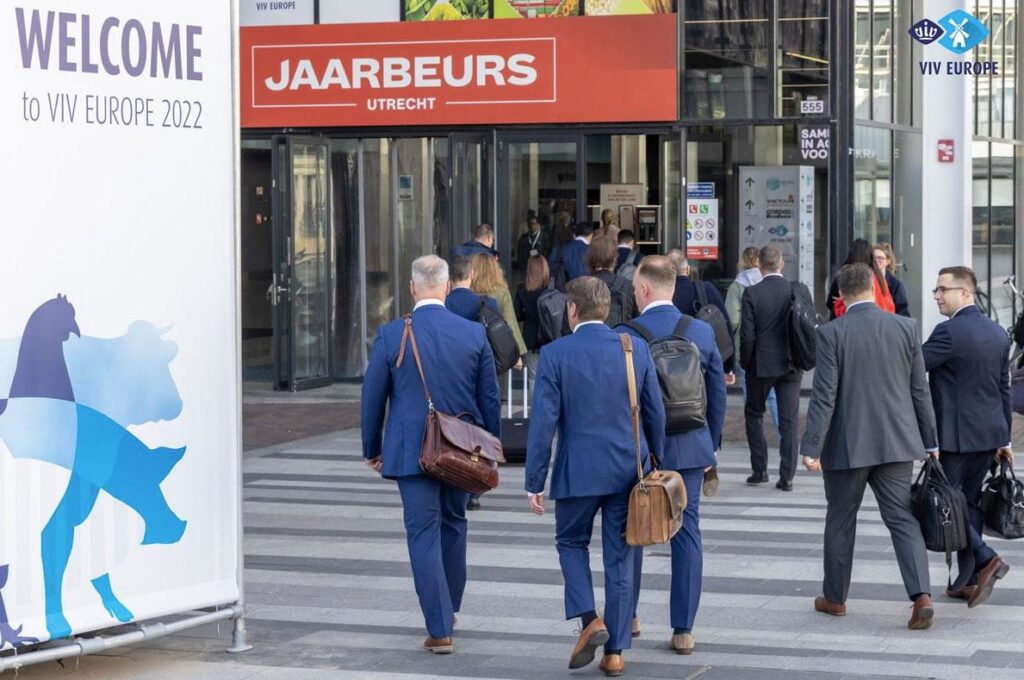
Understanding the technological supremacy of the Netherlands is only the first step for global executives; accessing and integrating this technology requires geographic convergence. This is the distinct strategic advantage of hosting VIV Europe at the Jaarbeurs exhibition center in Utrecht. Situated in the absolute center of the Netherlands, Utrecht is highly accessible, located a mere 30-minute train ride from both Amsterdam Airport Schiphol and Amsterdam Central Station.
For global poultry integrators, investors, and poultry technology scouts, VIV Europe 2026 is designed as the ultimate B2B sourcing and networking platform. The exhibition is structured around the holistic “Feed to Food” concept, which posits that final meat and egg quality is inextricably linked to the initial inputs of animal feed and health. Consequently, the exhibition floor bridges the entire supply chain, featuring sectors dedicated to feed ingredients, animal health, breeding, farm production, processing, packaging, and laboratory testing.
Adding immense strategic value to the 2026 edition is the landmark co-location with VICTAM International and GRAPAS Europe. Celebrating its 60th anniversary, VICTAM is the world’s premier event for the animal feed processing and grain storage industry. By co-locating VIV Europe and VICTAM on the exact same dates (June 2-4, 2026), attendees gain unprecedented access to the full spectrum of feed milling, flour processing, and animal protein production technologies under a single roof. This creates a comprehensive marketplace where feed millers can interact directly with the poultry integrators who consume their products.
The scope of international participation ensures that a diverse array of global solutions will be presented alongside Dutch innovations. Exhibitors such as AlphaVet, one of Central Europe’s leading animal health companies, will offer private label manufacturing solutions for nutraceuticals. French specialist Alphatech will present custom nutritional solutions for immunity resilience and digestive balance. Furthermore, consulting firms like Agri Reseaux International (ARI) will provide detailed market intelligence and mapping of key market players across Africa, the Middle East, and South Asia.
To facilitate this massive influx of international professionals, the organizers have streamlined logistical support. The BTC Group serves as the official travel agent, securing special hotel rates and managing group reservations to ensure a hassle-free stay in either Utrecht or nearby Amsterdam.
As the global poultry industry navigates the complex transition toward climate-smart agriculture, robotics, and heightened biosecurity, the pace of innovation requires a stable, reliable rhythm of engagement. The transition of VIV Europe to a biennial cycle starting in 2028 provides this stability, allowing C-level executives to confidently align their capital expenditure cycles with the release of new technologies. Whether seeking AI-powered batching algorithms, smart male-feeding solutions , or automated transport cages , the solutions that will define the future of poultry production will all be launched in Utrecht. The Dutch corporate ecosystem proves that physical constraints breed intellectual expansiveness, and by attending VIV Europe 2026, professionals step directly into the commercial epicenter of the world’s most advanced agricultural laboratory.
🔗 Free registration for professionals at: europe.viv.net
For further information:
-. Fair VIV EUROPE 2026
-. International events calendar: https://NeXusAvicultura.com/Calendario/